

Main benefits
Pattern Identification: Traditionally used for TCM patterns of Liver and Gallbladder Heat or residual Damp‑Heat combined with underlying Liver and Kidney Yin and Blood deficiency, which may present with irritability, light insomnia, dry eyes, dizziness, or a sense of heat in the palms, soles, or chest.
Core Function: Classically described as clearing constrained Liver Heat while nourishing Liver and Kidney Yin and Blood, calming internal Wind, and settling the Shen (Spirit) to support more restful sleep and inner ease.
Qi, Heat, and Yin Relationship: Based on the TCM idea that prolonged Heat and constrained Qi can consume Yin and Blood, this formula both moderates lingering Heat and replenishes Yin and Blood, aiming to address the root deficiency as well as the remaining excess component.
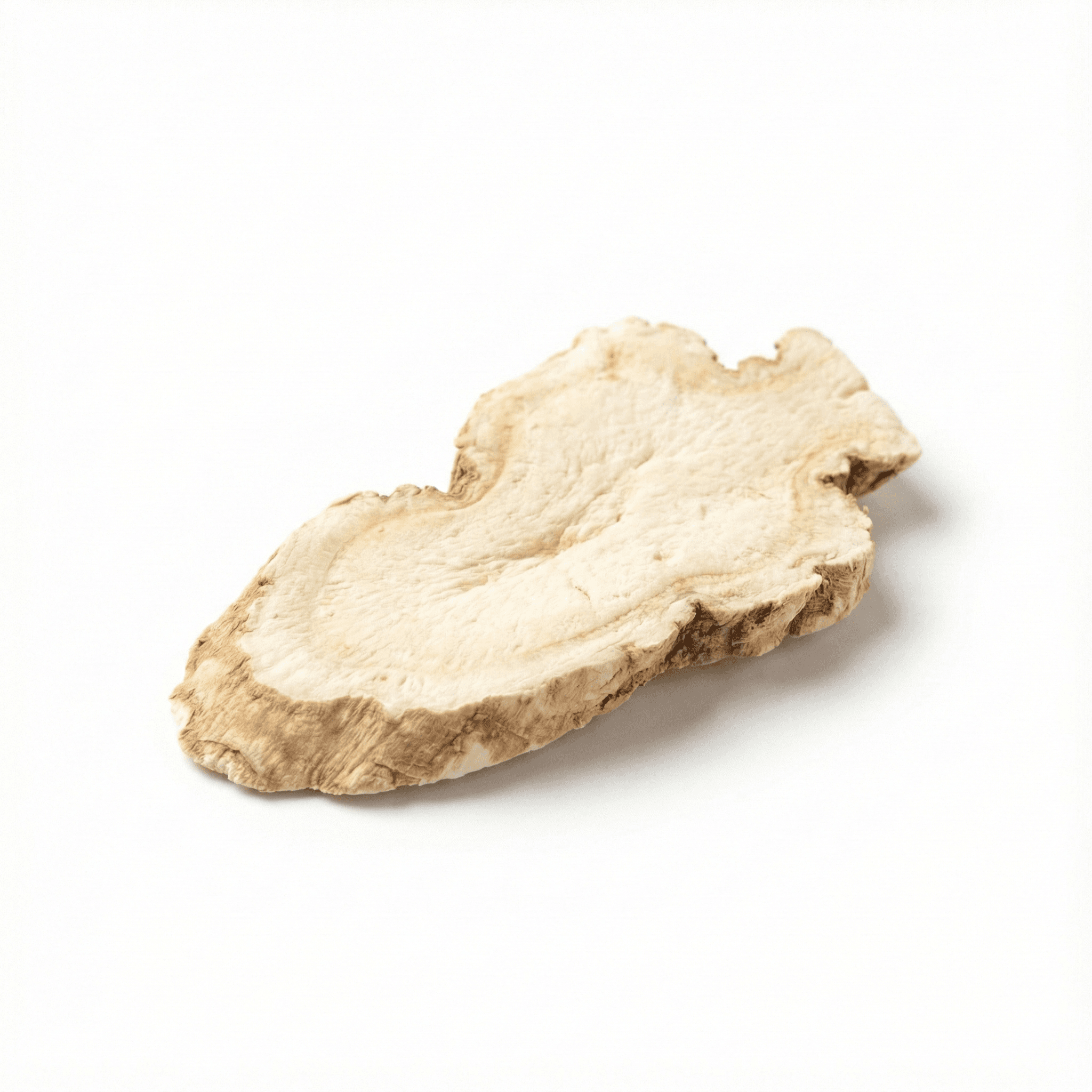
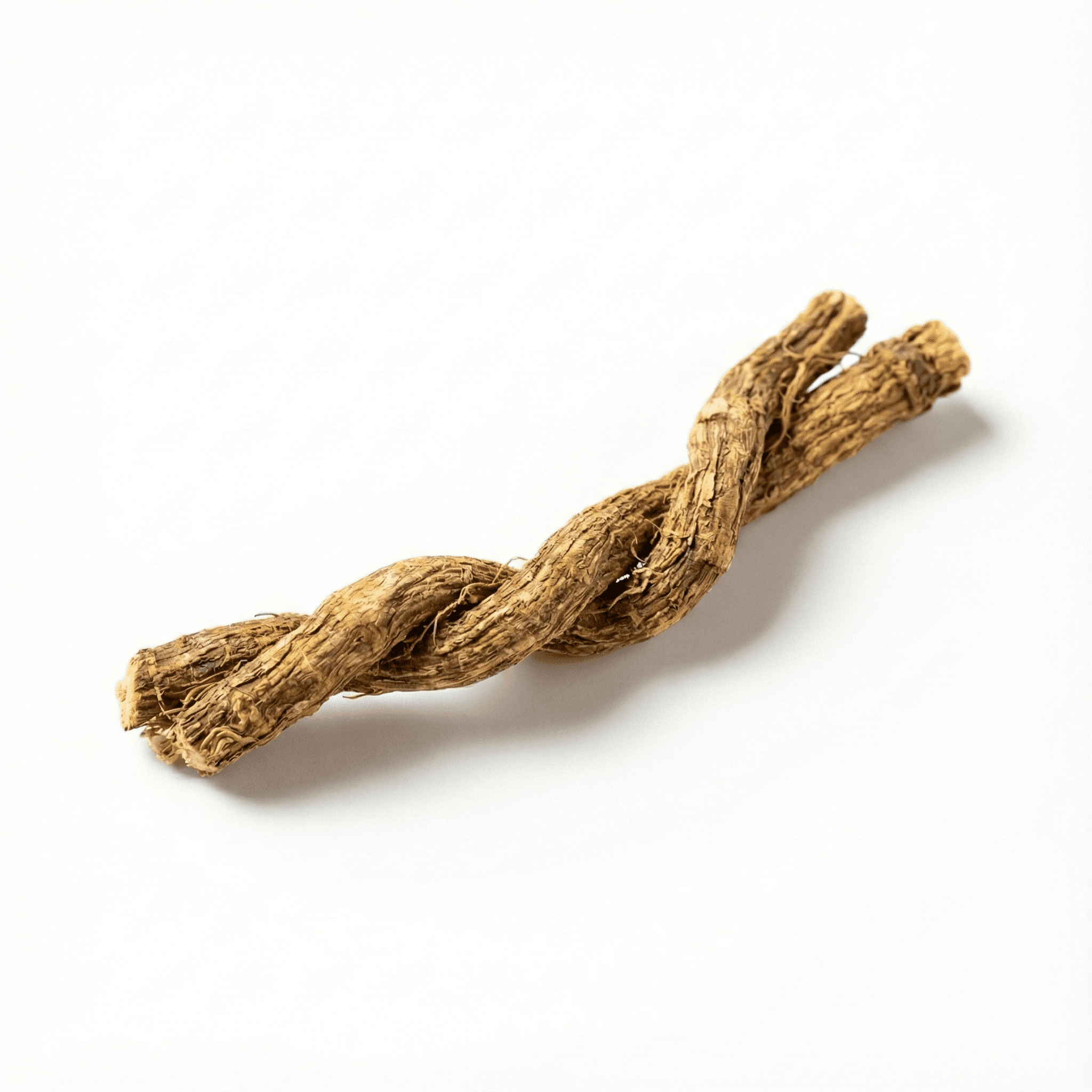
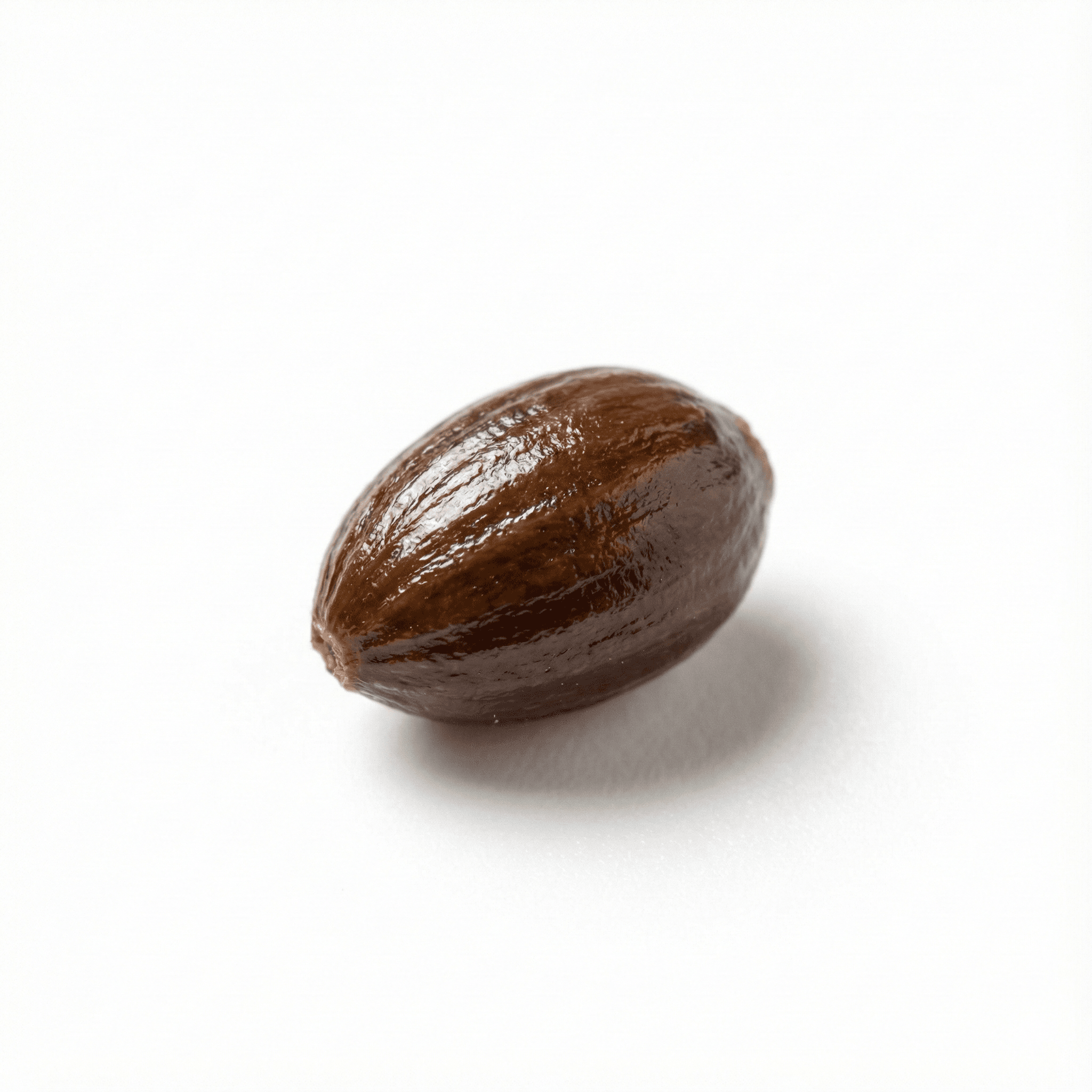
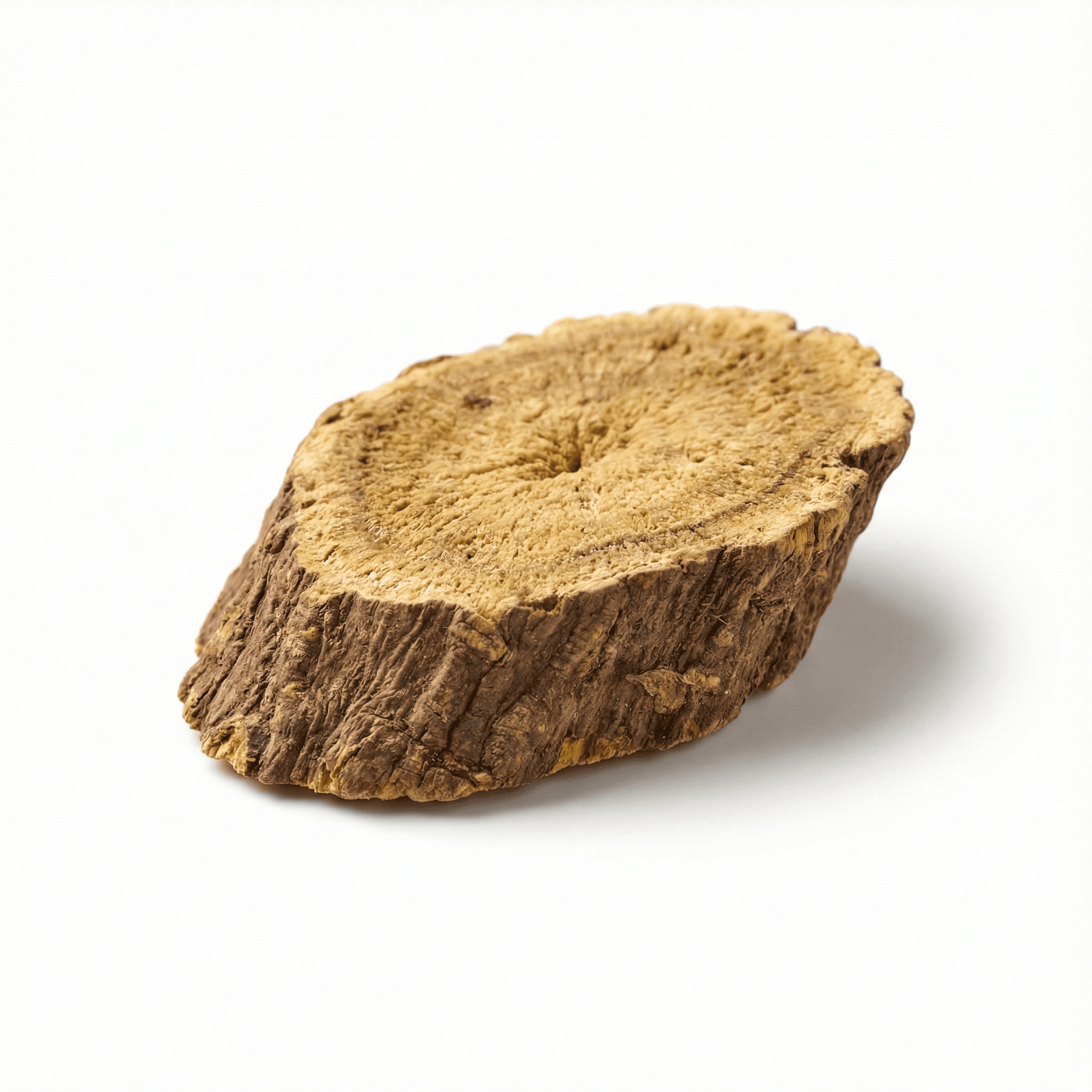
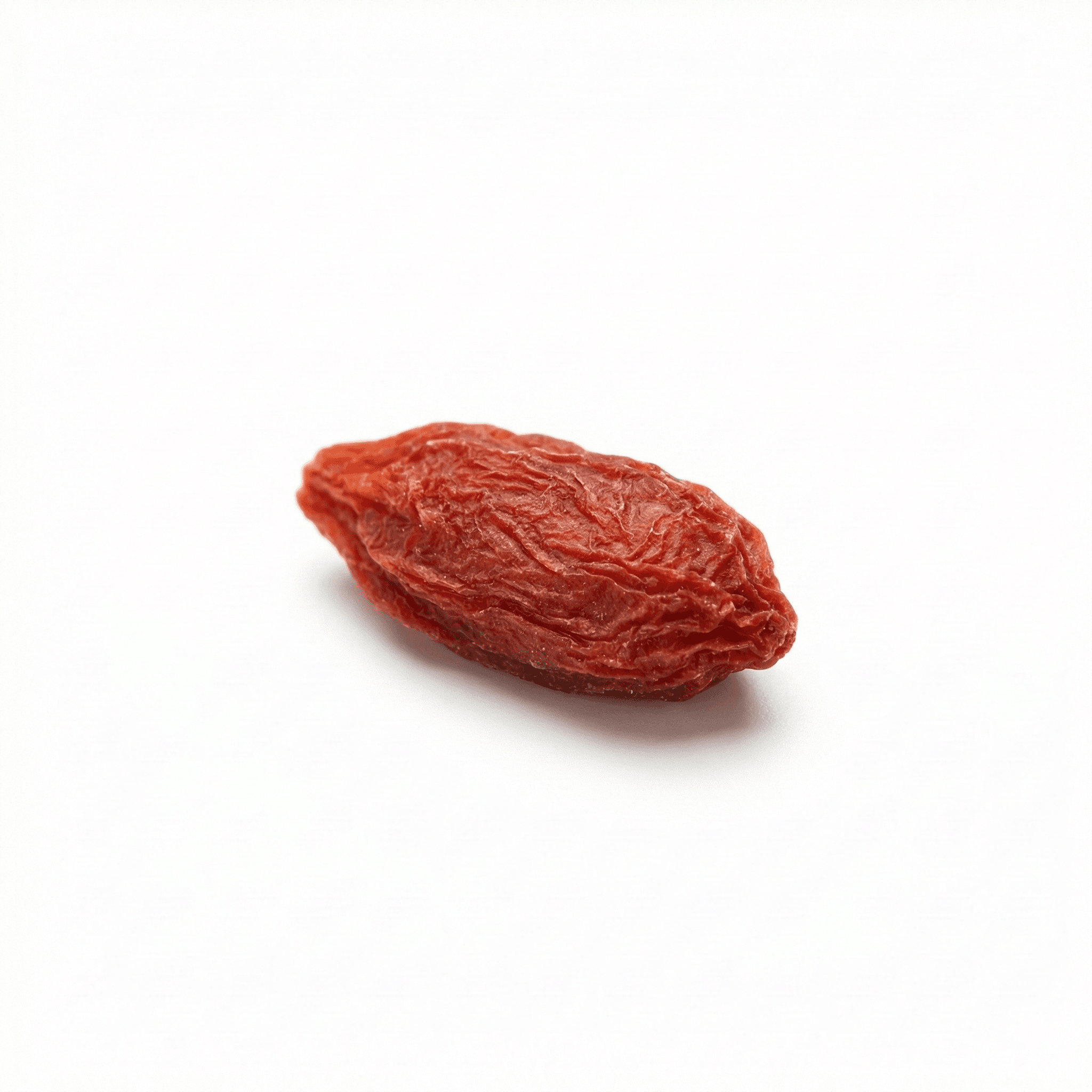
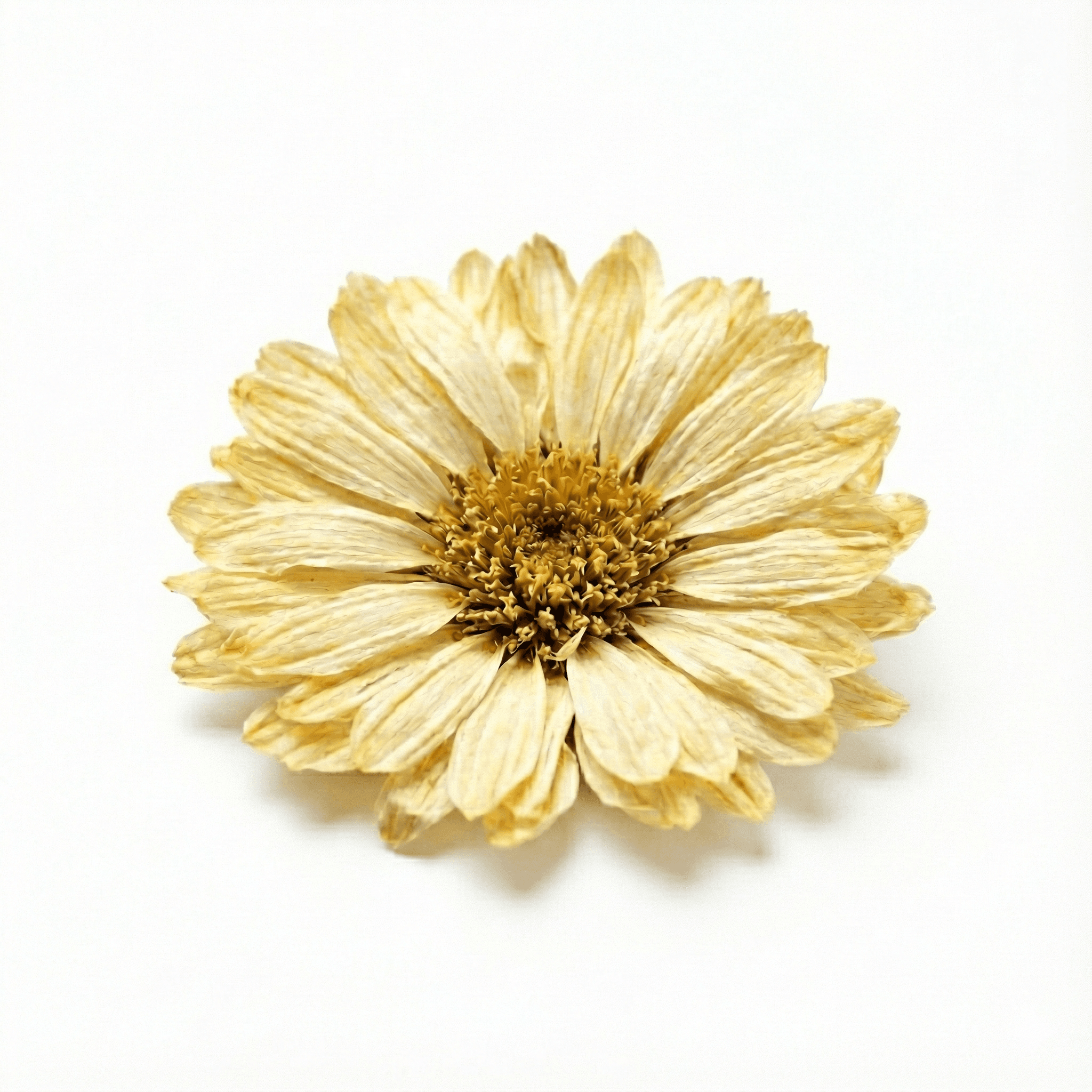
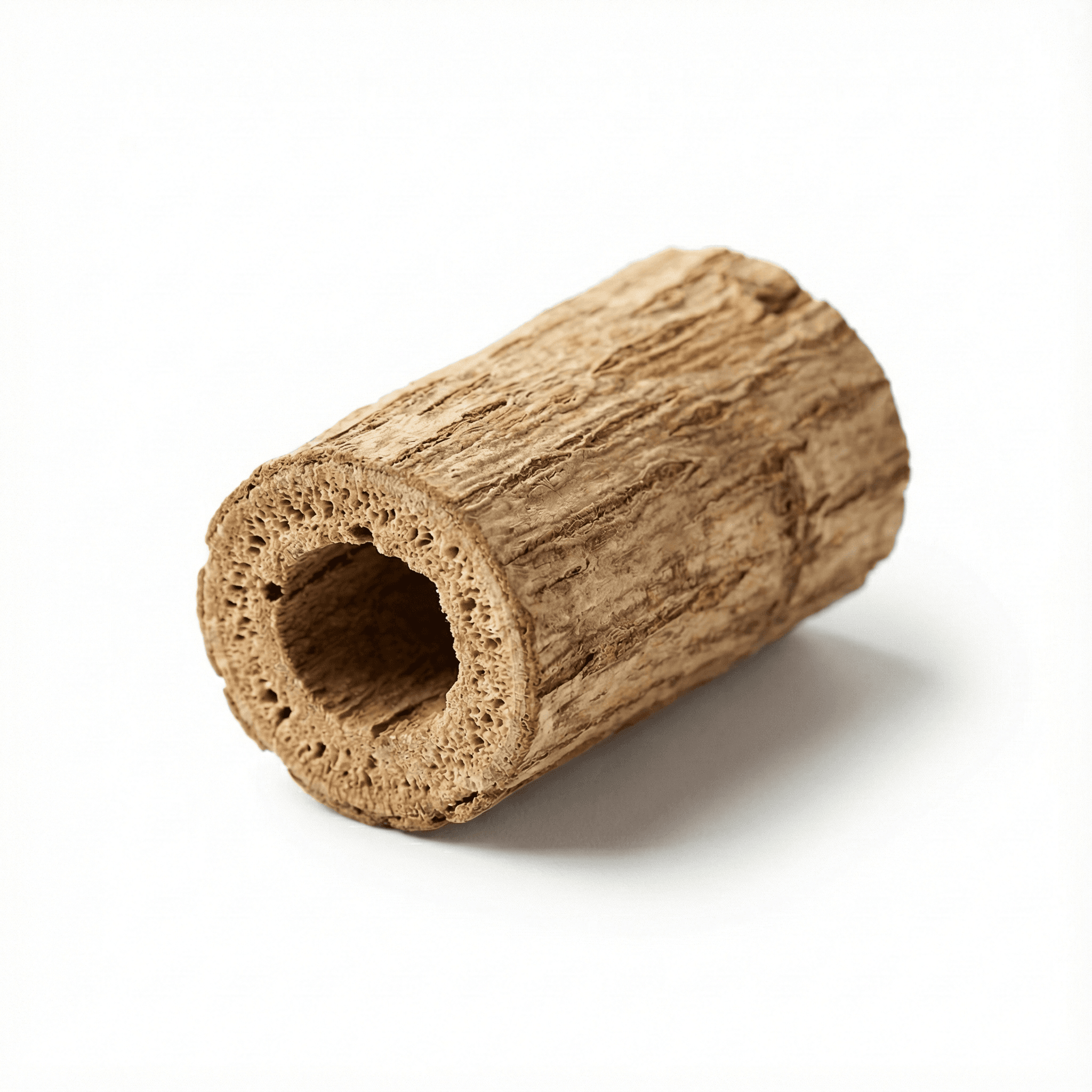
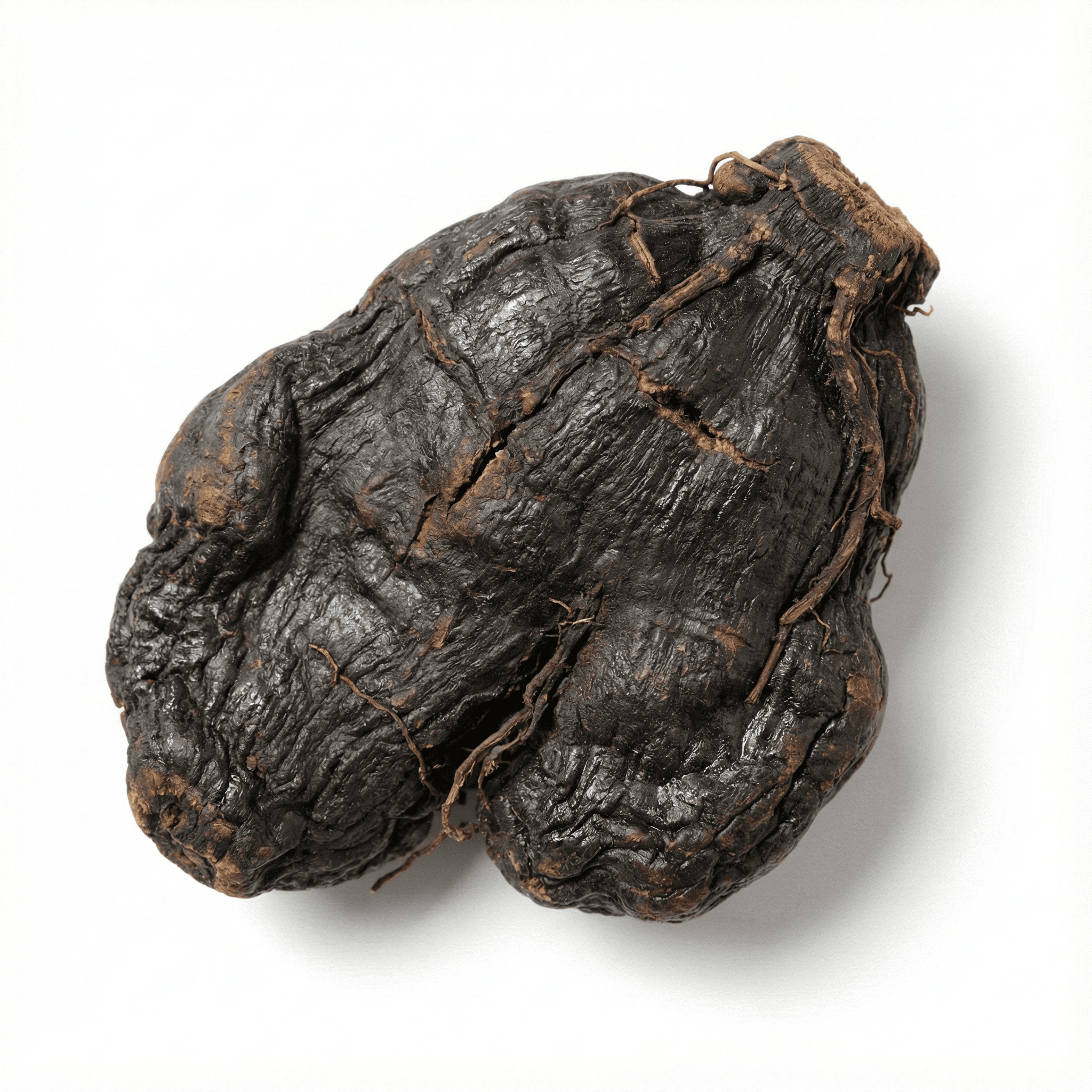
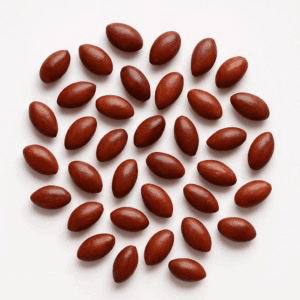
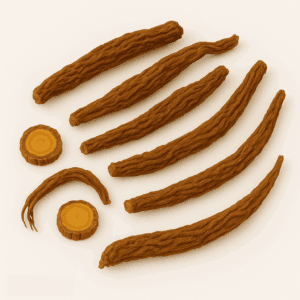
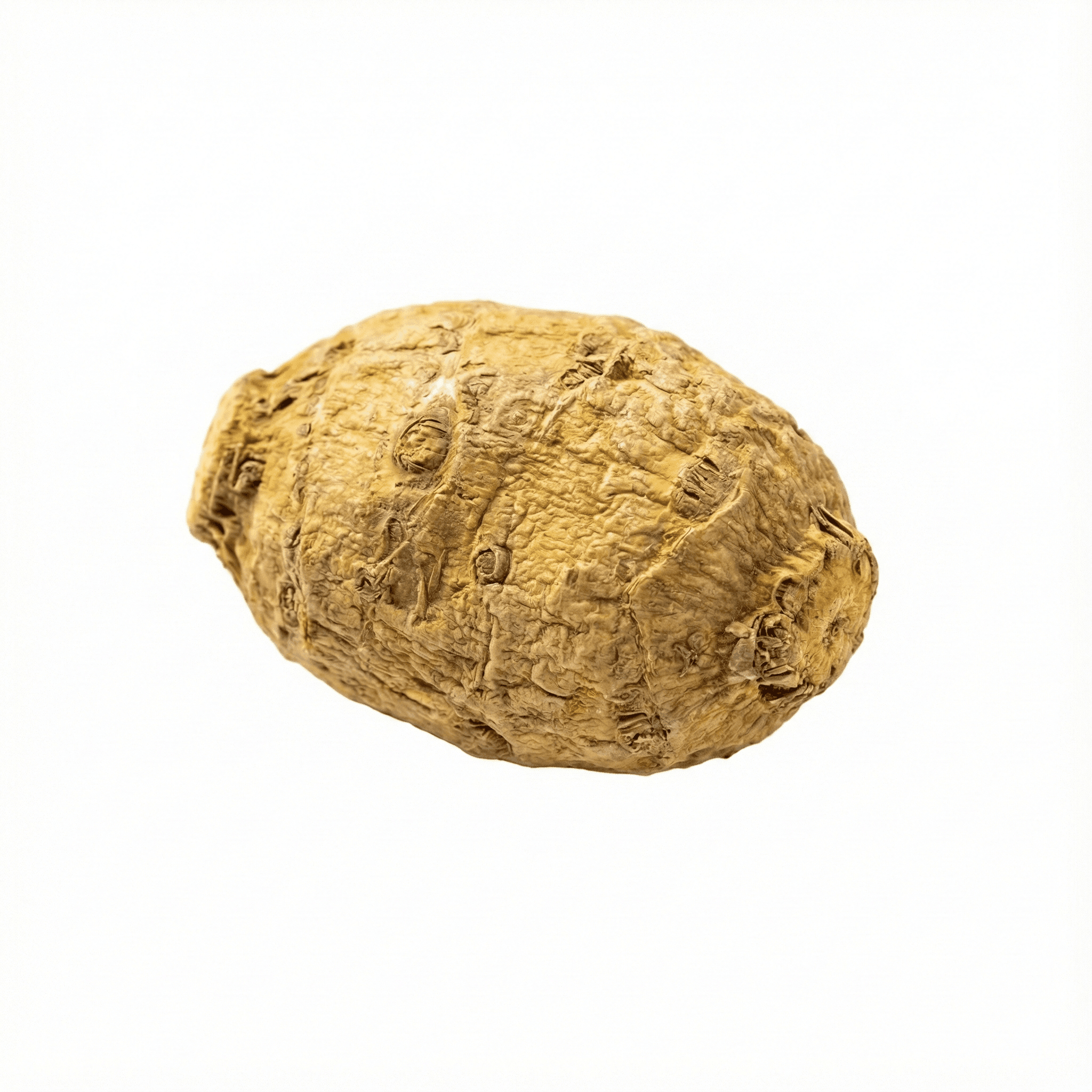
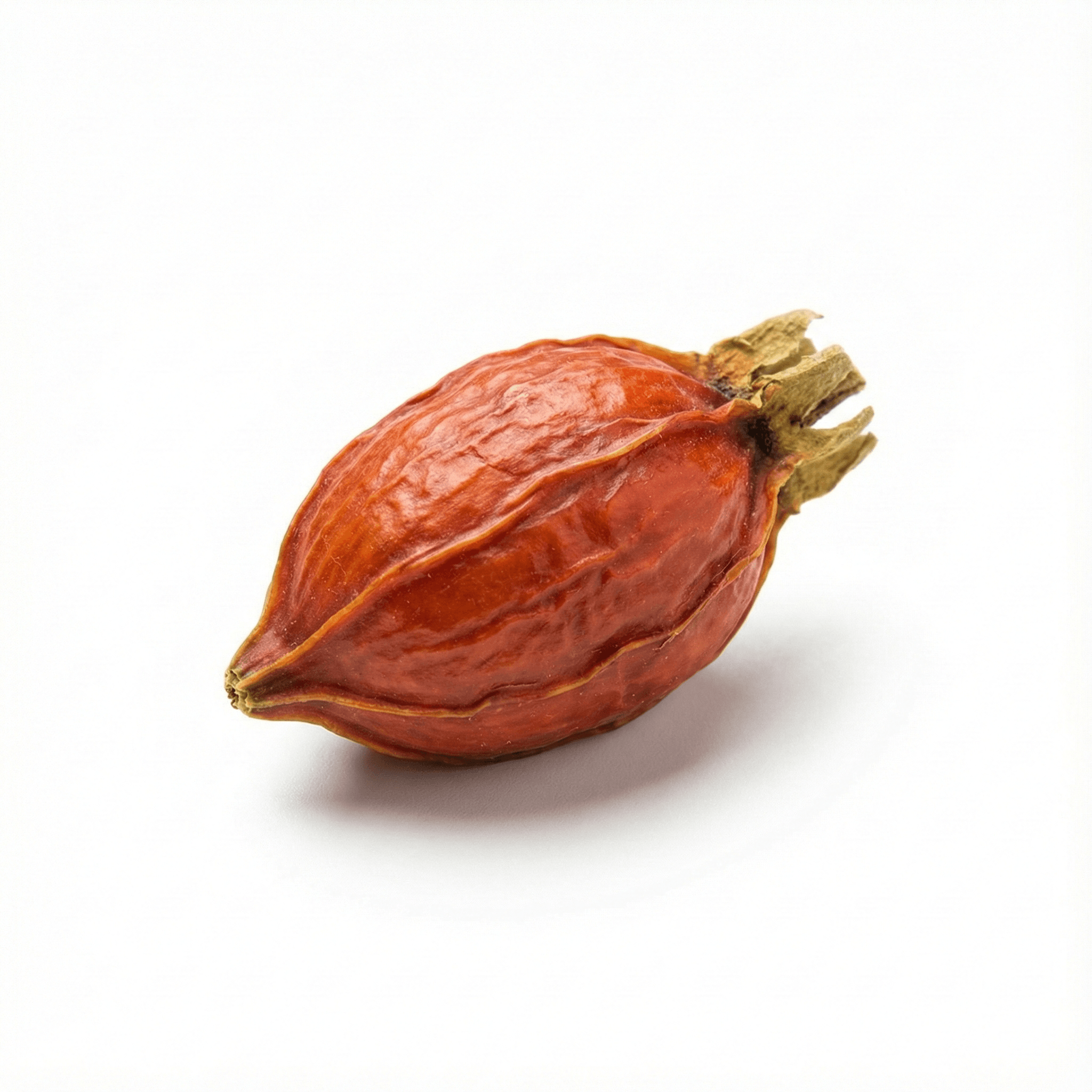
Key Ingredients: Long Dan Cao (Gentian), Zhi Zi (Gardenia) and Huang Qin (Scutellaria) clear Heat and Damp‑Heat from the Liver and Gallbladder; Mu Tong (Akebia), Che Qian Zi (Plantago seed) and Ze Xie (Alisma) drain Damp‑Heat via urination; Sheng Di Huang (Rehmannia) cools the Blood and nourishes Yin; Dang Gui (Chinese Angelica) nourishes and moves Blood; Bai Shao (White Peony) nourishes Blood and preserves Yin while softening the Liver; Gou Qi Zi (Lycium fruit) supplements Liver and Kidney Yin and Blood; Suan Zao Ren (Jujube seed) nourishes the Liver and Heart Blood and calms the Shen; Yuan Zhi (Polygala) opens Heart orifices and harmonises Heart and Kidney, assisting sleep and emotional stability; Gou Teng (Uncaria) and Ju Hua (Chrysanthemum) calm Liver Wind and clear Heat from the head; Gan Cao (Licorice) harmonises the formula.
Emotional Component (TCM): Frequently applied when restlessness, light sleep, frequent waking, anxiety‑like agitation, or mood lability are interpreted as manifestations of Liver and Heart Shen disharmony on a background of Yin and Blood deficiency with residual Heat.
Region of Action: Associated primarily with the Liver, Heart, and Kidney systems and their channels to the head, eyes, chest, and limbs, regions where deficiency of Yin and Blood with lingering Heat can, in TCM theory, create symptoms such as dry eyes, dizziness, vexation, and sleep disturbance.
Classical Heritage: Rooted in the Long Dan Xie Gan Tang lineage for clearing Liver Heat, but enriched with classical Yin‑ and Blood‑tonifying substances such as Sheng Di Huang, Bai Shao, Dang Gui, Gou Qi Zi, and Suan Zao Ren, aligning it with long‑standing TCM approaches to “empty Heat” and Yin‑deficient agitation and insomnia.
Weinsch TCM: Herbal dietary supplements of Traditional Chinese Medicine origine according to European standards!
- Strength 10:1
- 120 tablets per bottle
- Double or Triple the strength as regular brands
- Less fillers and binders
- No pharmaceuticals or dyes
- Thorough lab testing (heavy metals, pesticides etc.)
- Always made in controlled cGMP certified facility
- Unbeatable value
- European brand
This product is a dietary (food) supplement, to be taken as directed by a qualified practitioner. It is not intended to treat, cure, diagnose or prevent any disease. Not to replace a varied diet. Not to be taken if nursing or if pregnant. Not to be consumed continuously for longer than 3 months.
Which extra herbs added to classical patent and why
Suan Zao Ren (Semen Zizyphi Spinosae) in an increased dosage (58 g) has traditionally been used in TCM to nourish Heart‑Yin and calm the Shen. This significant addition softens the possibility that the classical Long Dan Xie Gan Tang formula may feel too drying with long‑term use and supports emotional calm and stable sleep.
Bai Shao (Radix Paeoniae Alba) in an increased dosage (58 g) traditionally nourishes Liver‑Blood and preserves Liver‑Yin. This herb also “softens” the Liver in TCM terminology – it tempers the intensity of the classical heat‑clearing formula and prevents it from feeling too constricting.
Gou Qi Zi (Fructus Lycii) has traditionally been used in TCM as a Yin‑ and Blood‑tonic for Kidney and Liver. It supports sustained nourishment and vitality alongside the heat‑clearing action, particularly for the eyes.
Sheng Di Huang (Radix Rehmanniae) is markedly increased (78 g) to support Yin tonification, mitigates the drying quality of the classical formula, and helps address any Yin‑deficiency heat that may lie beneath Liver‑Heat.
Jiu Xi Dang Gui (Radix Angelicae Sinensis) is likewise increased for deeper Blood nourishment in addition to the mild Blood‑moving action of the classical formula.
Yuan Zhi (Radix Polygalae), Gou Teng (Rhizoma/Caulis Uncariae) and Ju Hua (Flos Chrysanthemi) are classical medicinal additions that are traditionally used in TCM to calm the Shen, extinguish Liver‑Wind, and gently brighten the eyes, respectively.