-
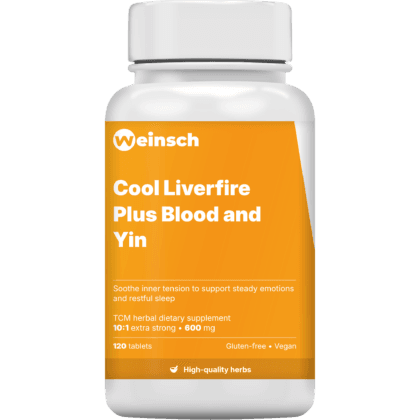
€ 25,50

Cool Liverfire Plus Blood and Yin
-
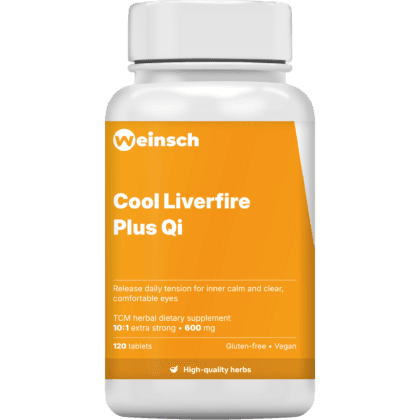
€ 25,50

Cool Liverfire Plus Qi
Chao Huang Qin
Baikal Skullcap Root (Chao Huang Qin) – The Botanical Used in Traditional Systems to Clear Heat and Calm the Fetus
Dry-fried Baikal skullcap root (Chao Huang Qin) is the traditional Chinese medicine name for the specially processed dried root of Scutellaria baicalensis. By gently dry-frying or stir-baking the raw, intensely cold root, traditional herbalists moderate its chilling effect on the digestive system. This vital preparation enhances the herb’s unique ability to cool the blood and settle a restless pregnancy, while remaining a foundational botanical in East Asian systems for clearing deep-seated heat and dampness.
Traditional Understanding in TCM Systems
Within traditional Chinese medicine, dry-fried Baikal skullcap root (Chao Huang Qin) is described as a bitter and cold herb, though its processing gives it a slightly more harmonizing character than the raw root. In the TCM theoretical framework, it acts primarily on the Lung, Stomach, Gallbladder, and Large Intestine meridians. According to this traditional description, the processed root supports “clearing Heat and drying Dampness,” “cooling the Blood,” and “calming the fetus” – crucial TCM concepts for resolving inflammatory, heated states without damaging the body’s foundational energy.
Dry-fried Baikal skullcap root (Chao Huang Qin) is seen in TCM as a botanical that “drains Fire,” “detoxifies,” and “secures pregnancy.” It is traditionally used to promote normal respiratory and digestive comfort, ease heat-induced irritability, and help the body resolve the hot, damp stagnation that can threaten a healthy pregnancy or cause excessive physical warmth.
Biological Composition and Research
Baikal skullcap root contains numerous biologically active substances, of which the main ones are:
-
Flavonoids (such as baicalin, baicalein, and wogonin) – primary active compounds with potent biological effects
-
Essential oils – aromatic compounds that support tissue health
-
Sterols – plant-based structural lipids
-
Amino acids – essential building blocks for cellular repair
-
Organic acids – metabolic components that support systemic balance
Modern scientific research shows that Baikal skullcap root components can offer diverse benefits:
-
Anti-inflammatory effects: Research suggests that flavonoids like baicalin can provide profound support for maintaining a normal inflammation balance in respiratory, gastrointestinal, and pelvic tissues.
-
Uterine relaxation: Studies indicate that the active compounds can help relax smooth muscles, aligning with its traditional use for supporting a calm, stable pregnancy.
-
Antimicrobial action: Certain components possess natural properties that support normal systemic hygiene and immune defense.
-
Antioxidant activity: The root contains powerful antioxidants that provide cellular protection against environmental free radicals and oxidative stress.
-
Hepatoprotective properties: Traditional use and modern observation point to a role in protecting liver cells and supporting normal gallbladder function.
Traditional Applications – TCM Context
In traditional TCM formulas, dry-fried Baikal skullcap root (Chao Huang Qin) is classically used in situations described as:
-
Restlessness, spotting, or threatened miscarriage during pregnancy linked to internal heat
-
Thick, yellow phlegm or respiratory discomfort associated with Lung heat
-
Gastrointestinal upset characterized by damp-heat, such as foul-smelling loose stools
-
Irritability, a bitter taste in the mouth, or red eyes caused by Liver and Gallbladder fire
-
Minor, heat-induced bleeding, such as nosebleeds or easily bruised skin
These are traditionalist descriptions that form part of the TCM thinking system and must not be equated with medical diagnoses in the sense of European medicinal product law.
Well-being and Daily Use
Dry-fried Baikal skullcap root (Chao Huang Qin) is valued by modern users as part of a conscious wellness routine aimed at respiratory clarity, digestive cooling, and reproductive stability. Because of its processed nature, it is gentler on the stomach than the raw root and works optimally in targeted herbal decoctions or specialized formulas under professional guidance, especially during pregnancy or times of intense physical heat.
Many users see dry-fried Baikal skullcap root (Chao Huang Qin) as a stabilizing, cooling element in traditional routines – especially for resolving damp-heat and supporting maternal wellness – alongside regular medical care when needed.