-
€ 25,50

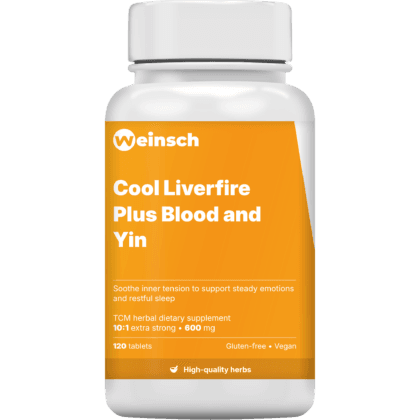
Cool Liverfire Plus Blood and Yin
-
€ 25,50

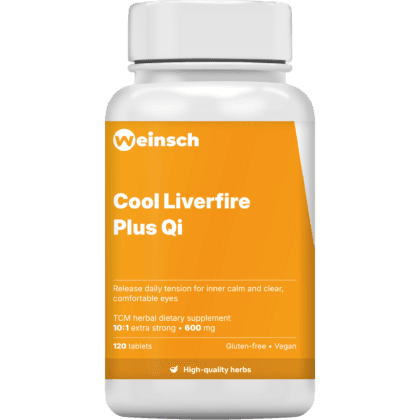
Cool Liverfire Plus Qi
Jiu Xi Dang Gui
Wine-processed Chinese Angelica Root (Jiu Xi Dang Gui) – The Botanical Used in Traditional Systems to Invigorate Blood and Warm the Channels
Wine-processed Chinese angelica root (Jiu Xi Dang Gui) is the traditional Chinese medicine name for the dried root of Angelica sinensis that has been specially prepared by washing or stir-baking with yellow rice wine. While the raw root is famously known as “female ginseng” for its deep blood-nourishing properties, the addition of wine significantly enhances its warming nature and its ability to actively move stagnant blood. This vital preparation has been a cornerstone in East Asian herbal systems for centuries, particularly for easing pain and restoring healthy circulation.
Traditional Understanding in TCM Systems
Within traditional Chinese medicine, wine-processed Chinese angelica root (Jiu Xi Dang Gui) is described as a sweet, pungent, and warm herb with a highly dynamic character. In the TCM theoretical framework, it acts primarily on the Liver, Heart, and Spleen meridians. According to this traditional description, the wine preparation directs the herb to “invigorate Blood and dispel stasis” and “warm the meridians to stop pain” – crucial TCM concepts for breaking up physical blockages and resolving cold-induced circulatory sluggishness.
Wine-processed Chinese angelica root (Jiu Xi Dang Gui) is seen in TCM as a botanical that “moves Blood,” “regulates menstruation,” and “dispels Cold.” It is traditionally used to promote healthy menstrual flow, soothe localized pain from traumatic injuries, and help the body resolve the stiff, aching stagnation that often accompanies cold weather.
Biological Composition and Research
Wine-processed Chinese angelica root contains numerous biologically active substances, of which the main ones are:
-
Phthalides (such as ligustilide) – aromatic compounds responsible for its distinct fragrance and muscle-relaxing effects
-
Ferulic acid – a potent organic acid known for its cardiovascular and antioxidant benefits
-
Polysaccharides – complex carbohydrates that support normal immune and cellular health
-
Essential oils – volatile lipids whose extraction is significantly enhanced by the wine preparation process
-
Coumarins – naturally occurring plant compounds that influence vascular tone
Modern scientific research shows that wine-processed Chinese angelica root components can offer diverse benefits:
-
Circulatory enhancement: Research suggests that ferulic acid and ligustilide help support normal blood flow and microcirculation, aligning with the traditional use for invigorating blood.
-
Menstrual and uterine comfort: Studies indicate that the active compounds can help relax uterine smooth muscles, easing menstrual cramps and tension.
-
Analgesic properties: The enhanced essential oil profile provides natural support for pain relief, particularly in joints and soft tissues.
-
Antioxidant activity: The root contains powerful antioxidants that provide cellular protection against environmental free radicals and oxidative stress.
-
Tissue recovery: Traditional use and modern observation point to a role in supporting the body’s natural healing processes after physical trauma or childbirth.
Traditional Applications – TCM Context
In traditional TCM formulas, wine-processed Chinese angelica root (Jiu Xi Dang Gui) is classically used in situations described as:
-
Painful, delayed, or irregular menstruation accompanied by dark clots and cold hands
-
Postpartum abdominal pain linked to blood stagnation and internal chill
-
Joint stiffness and body aches that worsen in cold or damp environments
-
Localized swelling, bruising, or discomfort following physical trauma or injury
-
Sluggish peripheral circulation characterized by a pale complexion and cold extremities
These are traditionalist descriptions that form part of the TCM thinking system and must not be equated with medical diagnoses in the sense of European medicinal product law.
Well-being and Daily Use
Wine-processed Chinese angelica root (Jiu Xi Dang Gui) is valued by modern users as part of a conscious wellness routine aimed at menstrual comfort, postpartum recovery, and circulatory warmth. Because of its targeted moving and warming nature, the processed root works optimally in specific herbal decoctions, restorative broths, or specialized recovery formulas under professional guidance, especially during the winter months or after physical exertion.
Many users see wine-processed Chinese angelica root (Jiu Xi Dang Gui) as a dynamic, warming element in traditional routines – especially for resolving localized tension and supporting healthy blood flow – alongside regular medical care when needed.