-
€ 29,50

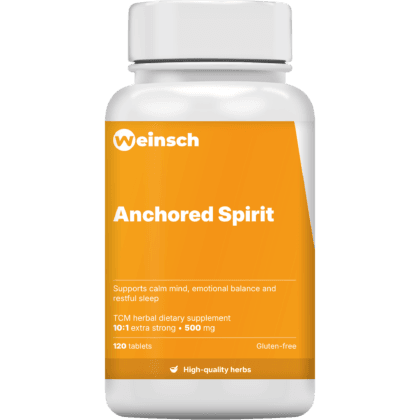
Anchored Spirit
-
€ 27,50

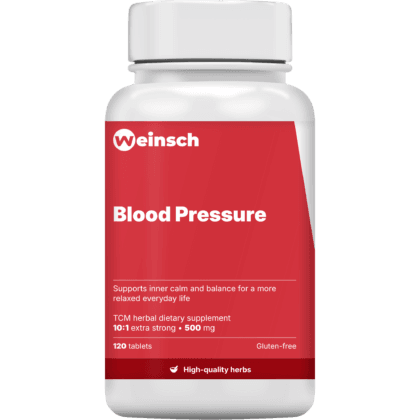
Blood Pressure
-
€ 25,50
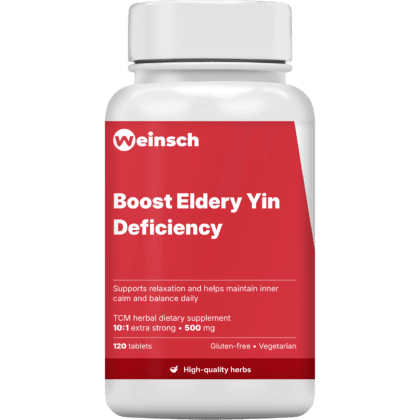
Boost Eldery Yin Deficiency
-
€ 31,50
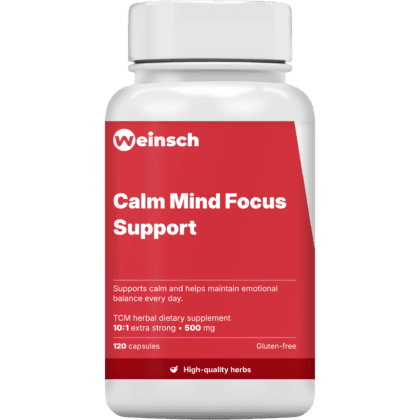
Calm Mind Focus Support
-
€ 12,00
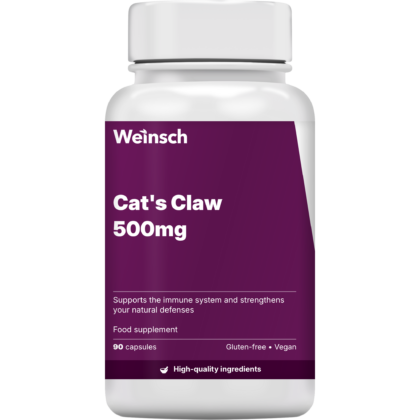
Cat’s Claw 500mg
-
€ 25,50
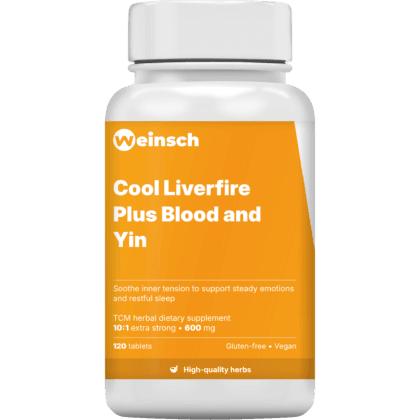
Cool Liverfire Plus Blood and Yin
-
€ 25,50
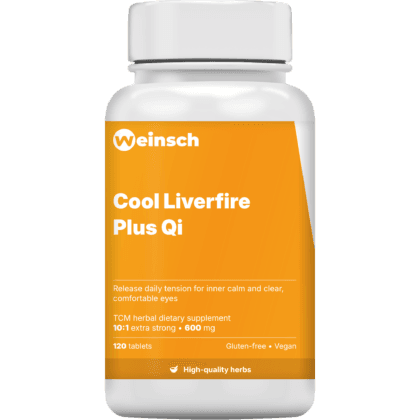
Cool Liverfire Plus Qi
Gou Teng
Cat’s Claw Bark (Gou Teng) – The Botanical Used in Traditional Systems to Calm Inner Wind and Support Head Comfort
Cat’s claw bark (Gou Teng) is the traditional Chinese medicine name for the dried, hook-bearing stems of Uncaria rhynchophylla (Chinese cat’s claw or Gambir vine), a unique botanical that has been part of traditional East Asian herbal systems for over 2000 years . It is regarded as a botanical with cooling and pacifying properties, particularly suitable for formulas aimed at nervous system calm, easing head tension, and settling overactive energy.
Traditional Understanding in TCM Systems
Within traditional Chinese medicine, Cat’s claw bark (Gou Teng) is described as a sweet botanical substance with slightly cold properties . In the TCM theoretical framework, it acts on the so-called Liver and Pericardium meridians . According to this traditional description, Cat’s claw bark “Extinguishes Liver Wind” and “Pacifies Liver Yang” – TCM concepts that stand for erratic, sudden movements (like spasms or tremors) and upward-surging, restless energy that rushes to the head . When Liver Yang rises out of balance, related discomforts such as dizziness, head tension, and emotional irritability can arise . Cat’s claw bark helps perform this settling and cooling effect.
In TCM formulas, Cat’s claw bark (Gou Teng) is seen as a botanical that helps support normal neurological balance, clear heat from the Liver, and calm the nervous system . It is traditionally used to promote a clear and comfortable head, soothe muscle twitching, reduce visual disturbances, and foster a steady, peaceful internal state.
Botanical Composition and Research
Cat’s claw bark (Gou Teng) contains primarily indole alkaloids (most notably rhynchophylline and isorhynchophylline), flavonoids, and triterpenes . This alkaloid-rich profile is connected in traditional applications with support for normal vascular health and neuromuscular relaxation .
Modern scientific research shows that Cat’s claw extracts can offer specific benefits. Studies show that Cat’s claw bark (Gou Teng) preparations:
-
Contain rhynchophylline, which is widely investigated for its neuroprotective effects and support for cognitive health
-
Can have a vasorelaxant effect, supporting normal blood circulation and cardiovascular health
-
Possess calming properties that may help soothe the central nervous system without heavy sedation
-
Can have anti-inflammatory and antioxidant action, helping combat free radicals
-
Can support normal smooth muscle relaxation and ease tension
-
May work supportively on a balanced response to mental and physical stress
Scientists particularly investigate how the indole alkaloids of the stems and hooks can interact with calcium channels and neurotransmitter receptors to contribute to normal vascular tone and neurological calm .
Traditional Applications – TCM Context
In traditional TCM formulas, Cat’s claw bark (Gou Teng) is classically used in situations described as:
-
Dizziness, lightheadedness, or a sensation of spinning
-
Headaches or throbbing tension, particularly on the sides of the head
-
Muscle twitching, spasms, or tremors
-
Red, uncomfortable eyes associated with upward heat
-
Restless feeling, irritability, or compromised sleep from mental overactivity
These are traditionalist descriptions that form part of the TCM thinking system and must not be equated with medical diagnoses in the sense of European medicinal product law.
Well‑being and Daily Use
Cat’s claw bark (Gou Teng) is valued by modern users as part of a conscious wellness routine aimed at head comfort, nervous system relaxation, and emotional calm, especially during periods of high stress, mental overexertion, or when feeling “wound up.” The herb works optimally in balanced herbal mixtures, combined with stress-management practices, adequate sleep, and a lifestyle that minimizes excessive stimulants.
Many users see Cat’s claw bark (Gou Teng) as part of a long-term approach to neurological harmony and physical ease – as a supportive element in traditional routines, alongside professional guidance and regular medical care when needed.