Main benefits
Pattern Identification: Traditionally used for TCM patterns of Liver and Gallbladder Heat and Damp‑Heat with constrained Qi, often presenting with irritability, a feeling of distension in the chest or flanks, headaches, redness or discomfort of the eyes, and a sense of heat or heaviness in the lower body.
Core Function: Classically described as clearing Liver and Gallbladder fire, draining Damp‑Heat from the lower burner, promoting the smooth movement of Liver Qi, and calming internal Wind that may disturb the head and sense organs.
Qi and Heat/Damp Relationship: Based on the TCM view that stagnant Liver Qi can transform into Heat and combine with Dampness, this formula addresses both the dynamic blockage of Qi and the accumulation of pathological Heat and Damp‑Heat rather than focusing on only one aspect.
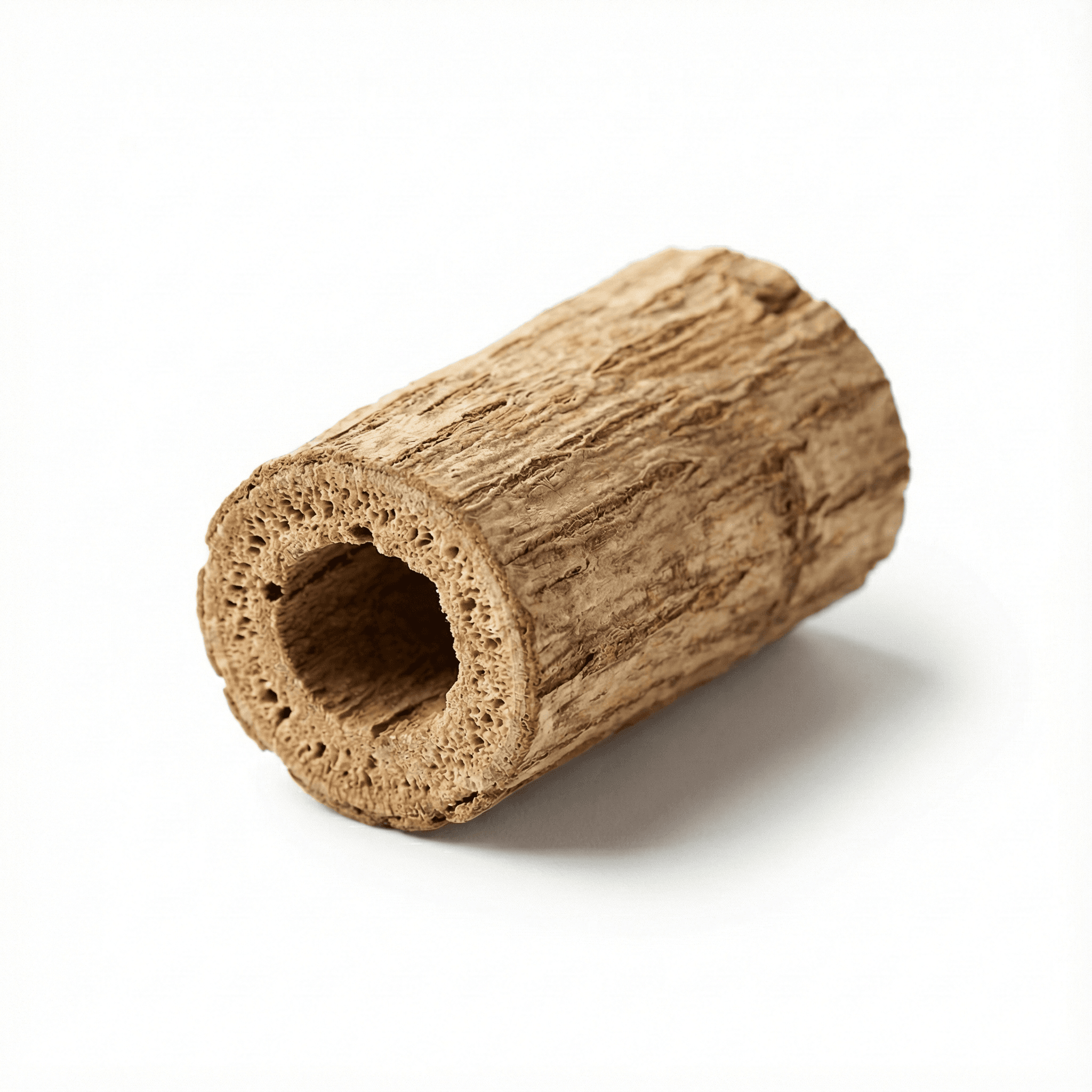
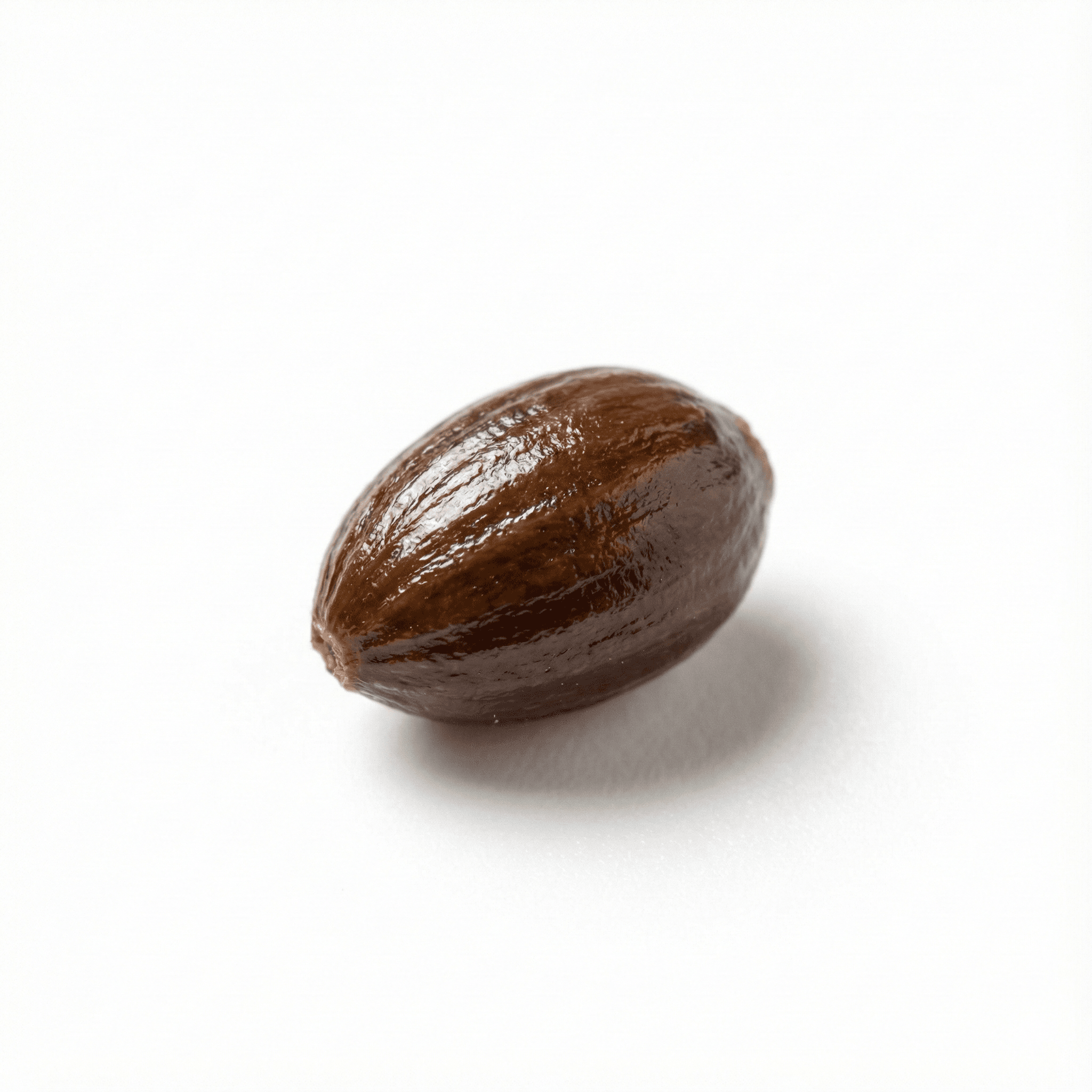
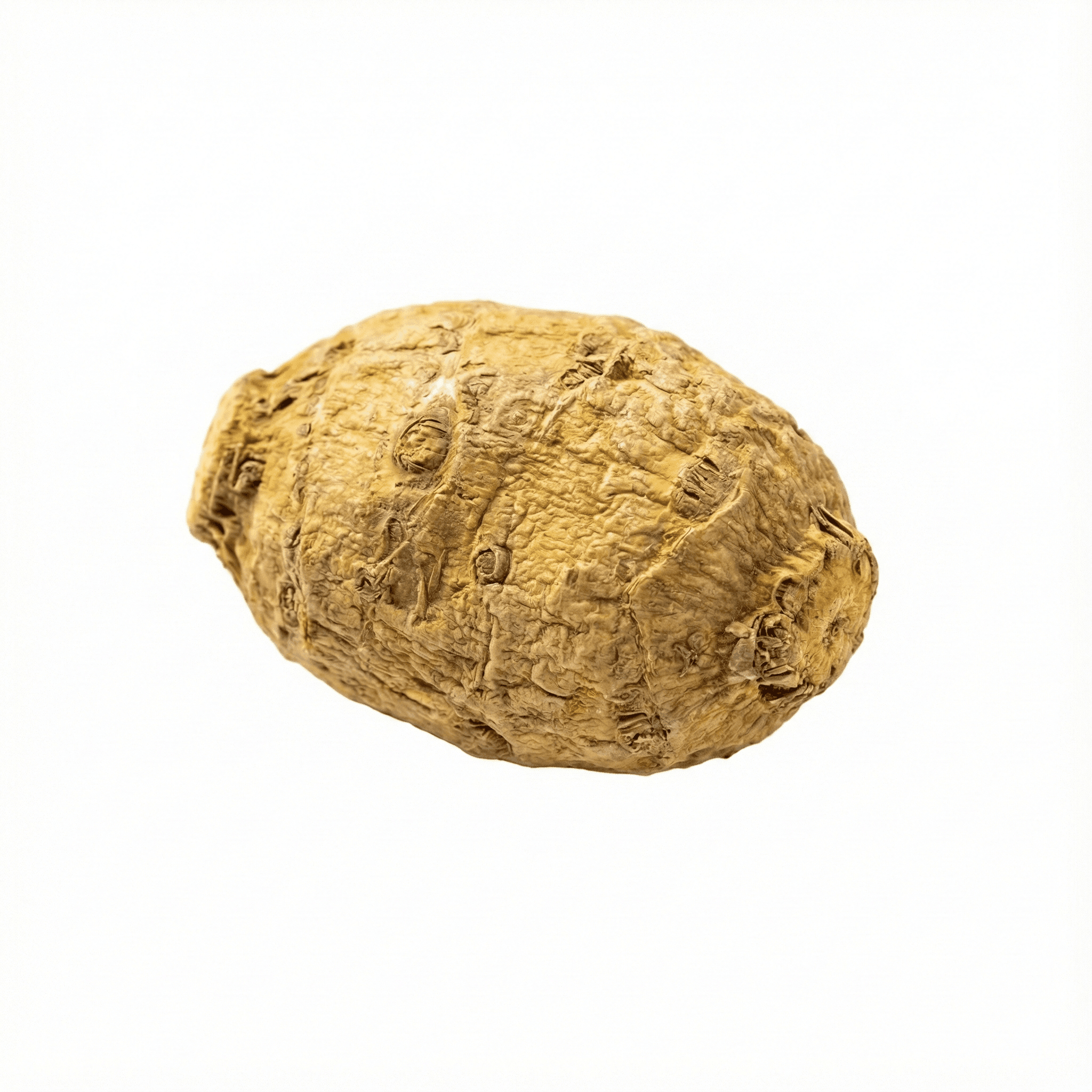
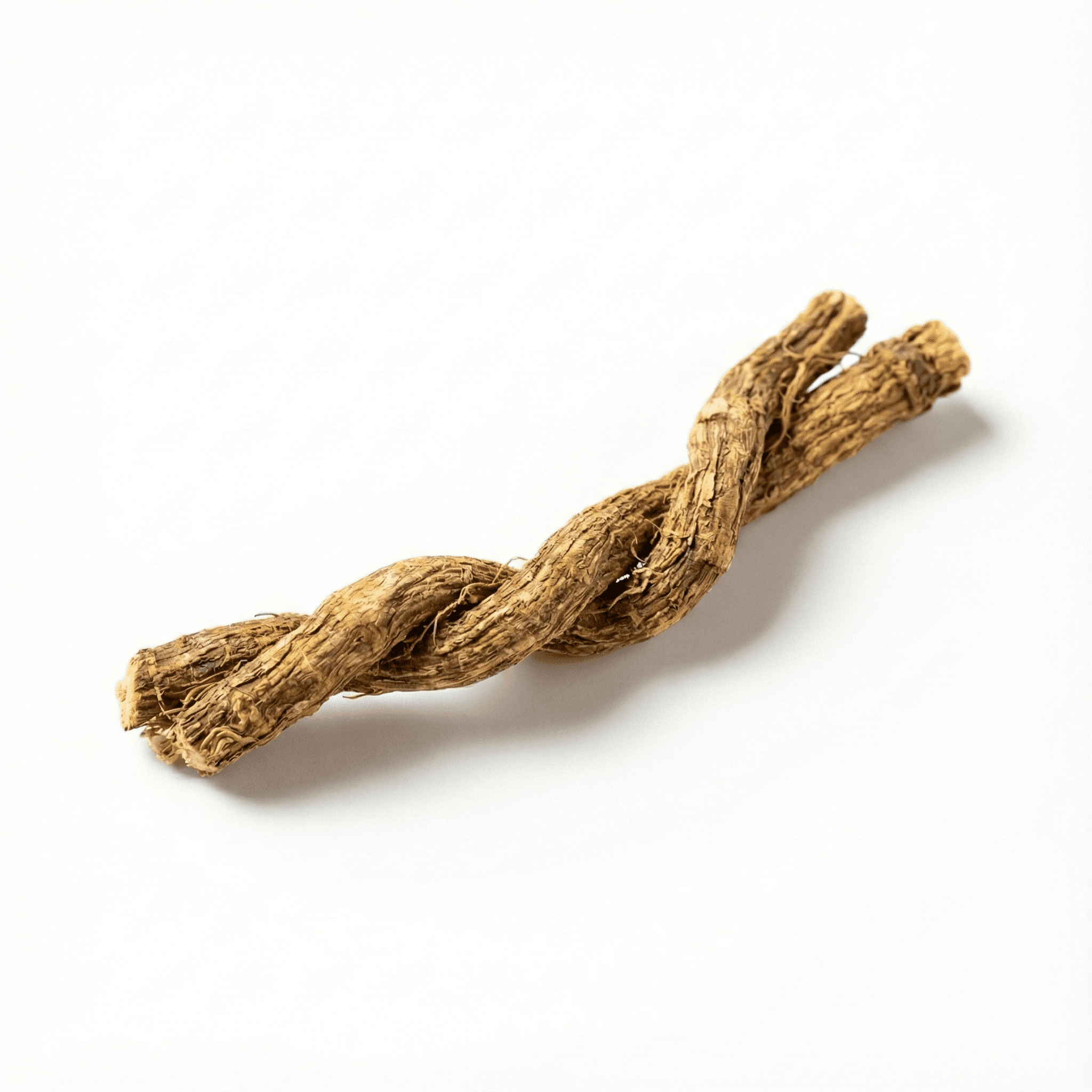
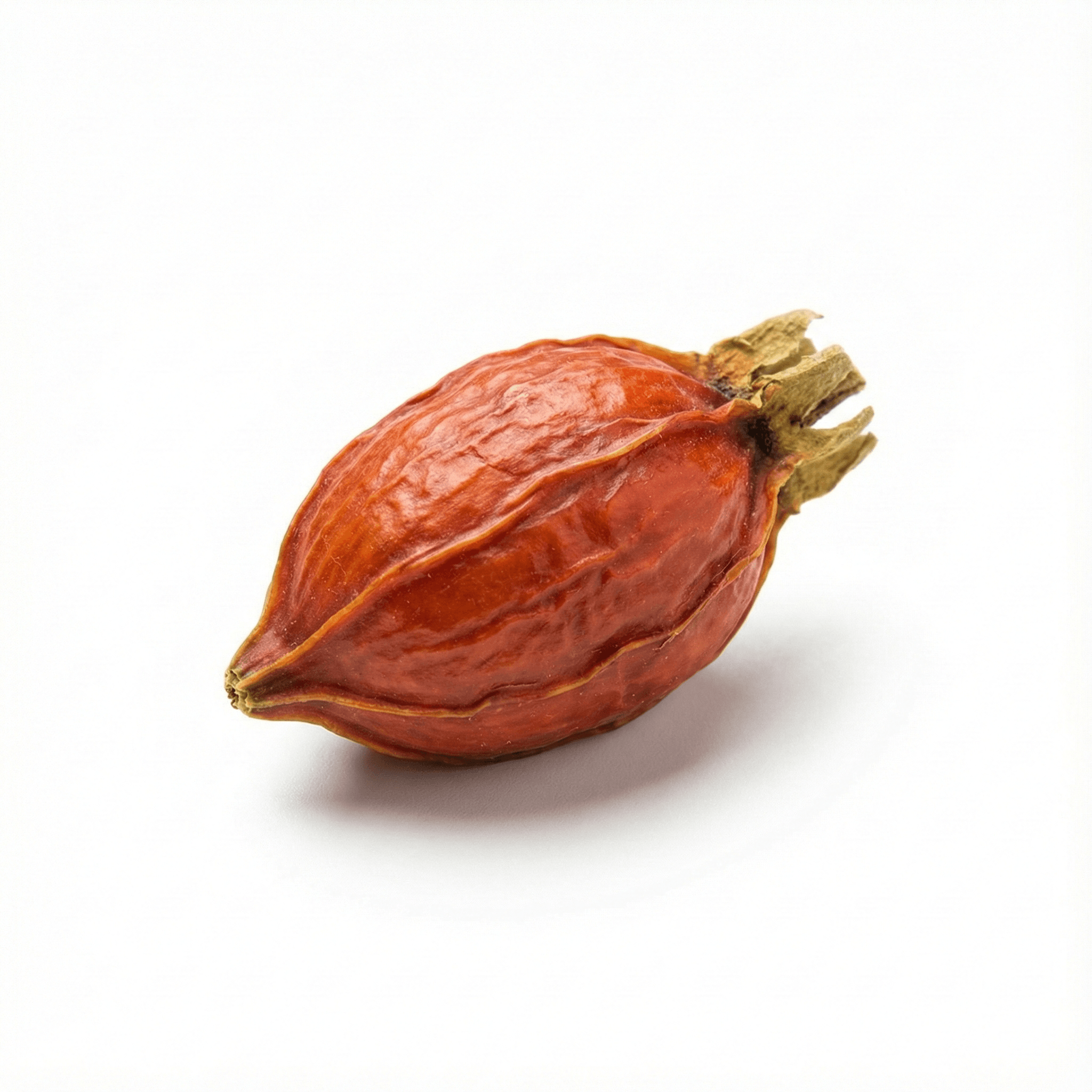
Key Ingredients: Long Dan Cao (Gentian) is said to strongly clear excess Heat from the Liver and Gallbladder; Zhi Zi (Gardenia) and Huang Qin (Scutellaria) clear Heat and Damp‑Heat from the upper and middle burners; Mu Tong (Akebia), Che Qian Zi (Plantago seed) and Ze Xie (Alisma) drain Damp‑Heat through urination; Chai Hu (Bupleurum) soothes the Liver and disperses constrained Qi; Gou Teng (Uncaria) and Ju Hua (Chrysanthemum) calm Liver Wind and clear Heat from the head and eyes; Sheng Di Huang (Rehmannia) and Dang Gui (Chinese Angelica) cool the Blood and nourish Yin and Blood; Xiang Fu (Cyperus) and Mei Gui Hua (Rose) regulate Liver Qi and ease constraint in the chest and flanks; Gan Cao (Licorice) harmonises the formula.
Emotional Component (TCM): Often chosen when symptoms such as irritability, a quick temper, emotional tension, or stress‑related headaches and rib‑side discomfort reflect constrained Liver Qi transforming into Heat, illustrating the link in TCM between emotional constraint, Qi stagnation, and rising Liver fire.
Region of Action: Especially associated with the Liver and Gallbladder channels that course through the head, eyes, chest, flanks, and genital region, areas where TCM describes sensations of distension, heat, or damp‑related discomfort when Qi, Heat, and Damp‑Heat are not properly regulated.
Classical Heritage: Based on the Han‑dynasty formula Long Dan Xie Gan Tang (“Gentian Decoction to Drain the Liver”), widely regarded as the representative prescription for clearing excess Liver and Gallbladder Heat and Damp‑Heat, and frequently adapted in modern practice with Qi‑regulating additions for stress‑related presentations.
Weinsch.com TCM: Herbal dietary supplements of Traditional Chinese Medicine origine according to European standards!
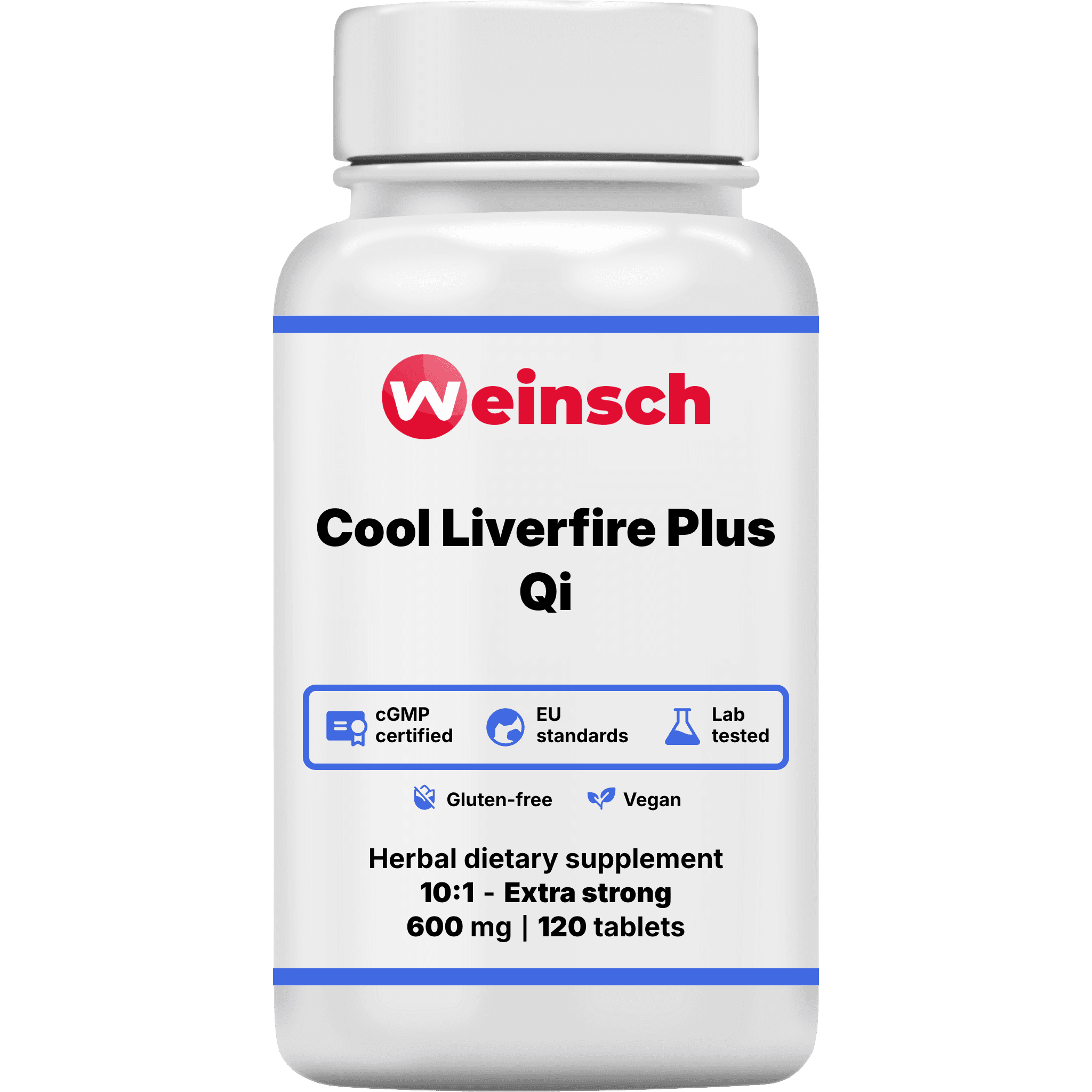
- Strength 10:1
- 120 tablets per bottle
- Double or Triple the strength as regular brands
- Less fillers and binders
- No pharmaceuticals or dyes
- Thorough lab testing (heavy metals, pesticides etc.)
- Always made in controlled cGMP certified facility
- Unbeatable value
- European brand
This product is a dietary (food) supplement, to be taken as directed by a qualified practitioner. It is not intended to treat, cure, diagnose or prevent any disease. Not to replace a varied diet. Not to be taken if nursing or if pregnant. Not to be consumed continuously for longer than 3 months.
Which extra herbs added to classical patent and why
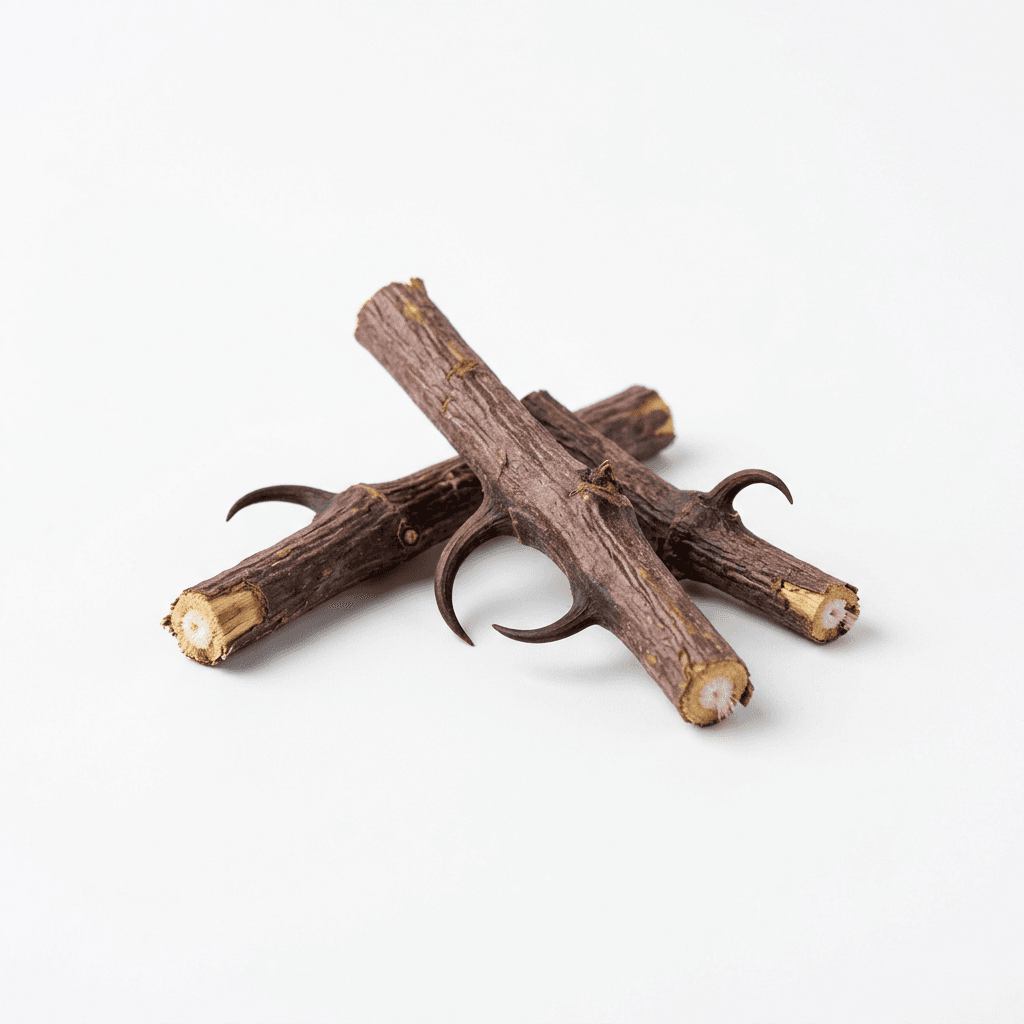
Gou Teng (Rhizoma/Caulis Uncariae) is traditionally used in TCM to calm the Liver, extinguish internal Wind, and moderate Liver‑Yang hyperactivity. This herb specifically helps with headache, dizziness, and irritability that accompany the classical Long Dan Xie Gan Tang pattern of excess Liver heat.
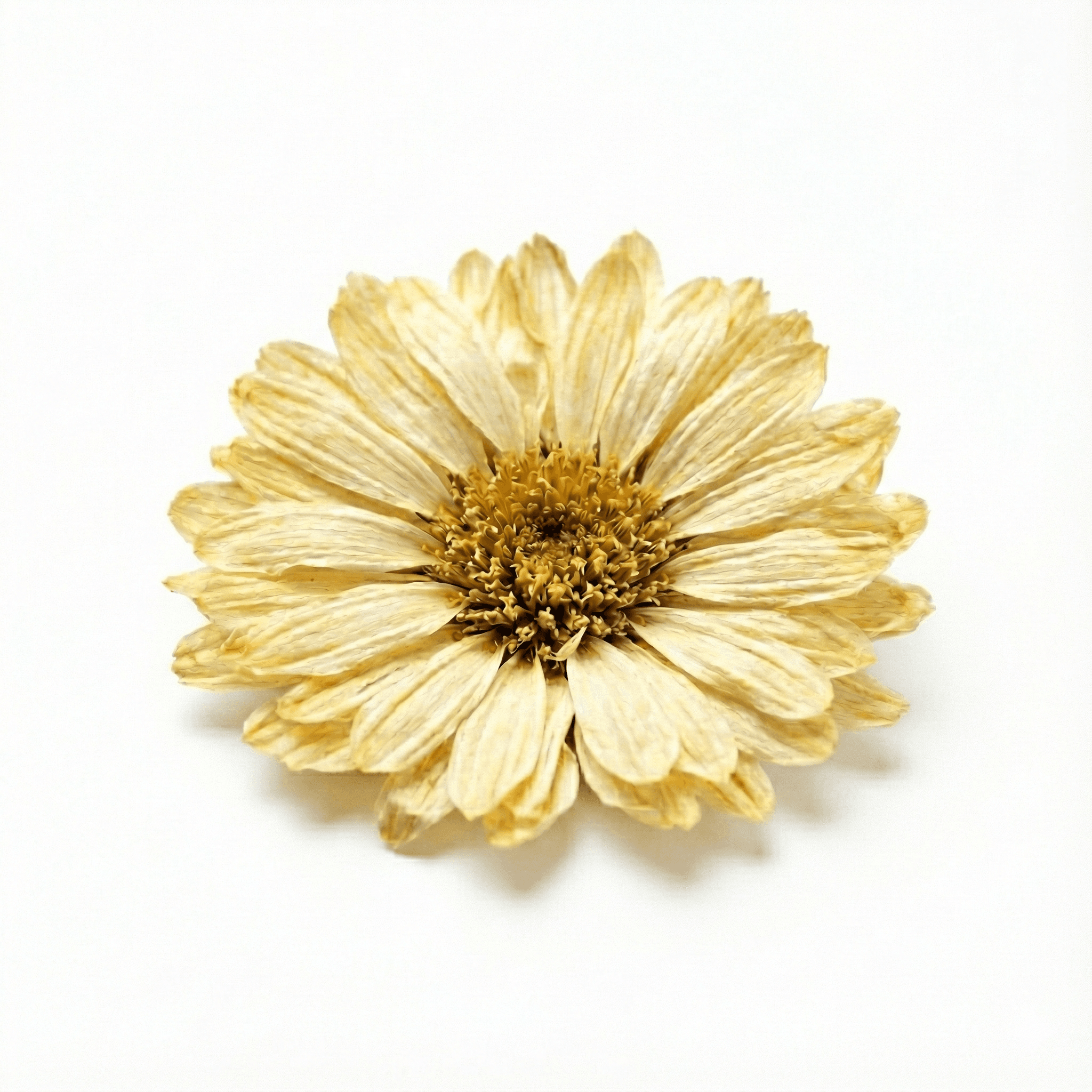
Ju Hua (Flos Chrysanthemi) is traditionally described in TCM as a cooling herb that brightens the eyes and anchors Liver‑Yang. It helps with red, painful eyes and eases emotionally irritated states, while additionally supporting the cooling action of the classical formula.
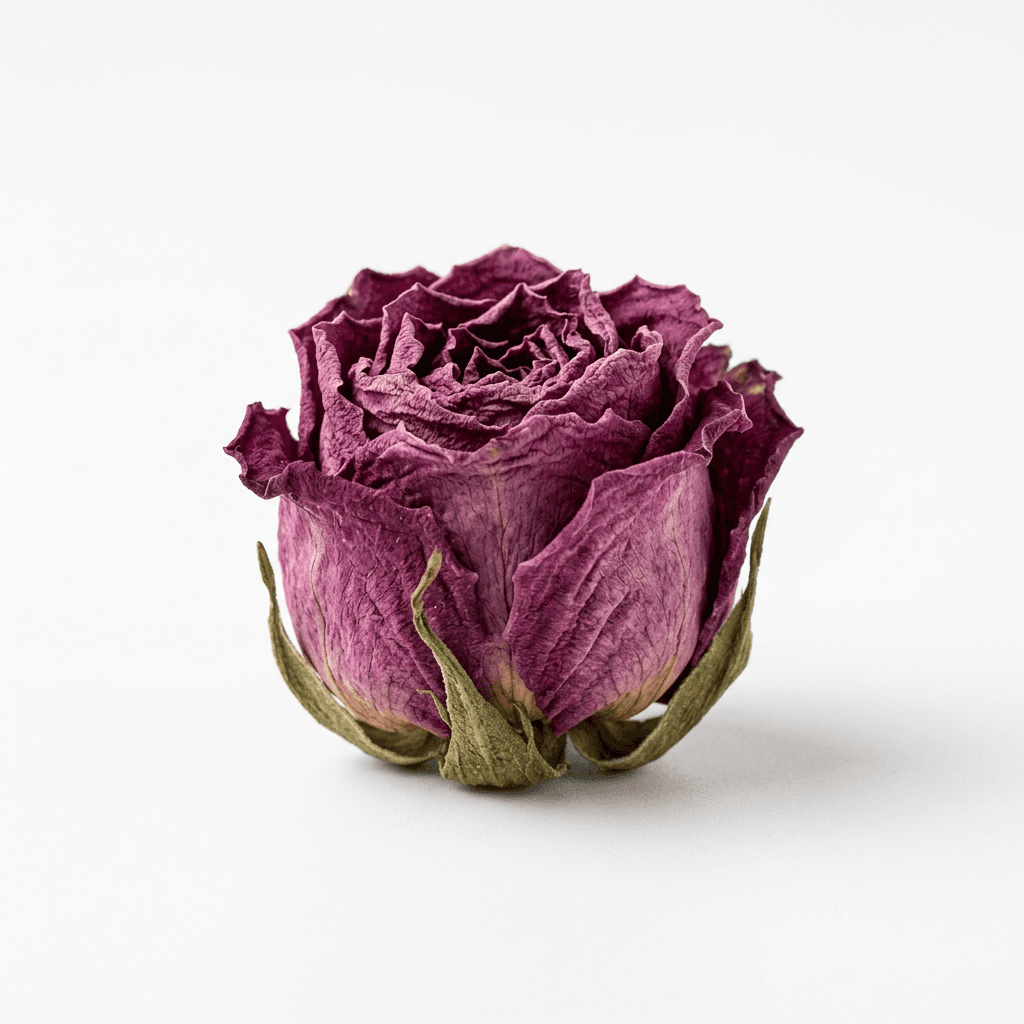
Mei Gui Hua (Flos Rosae Rugosae) has traditionally been used in TCM to resolve Qi stagnation and, in particular, to soften the Liver. While the classical Long Dan Xie Gan Tang focuses on draining heat, Mei Gui Hua supports the emotional dimension by relieving Liver‑Qi constraint, especially stress‑related tension in the chest and a feeling of faintness.
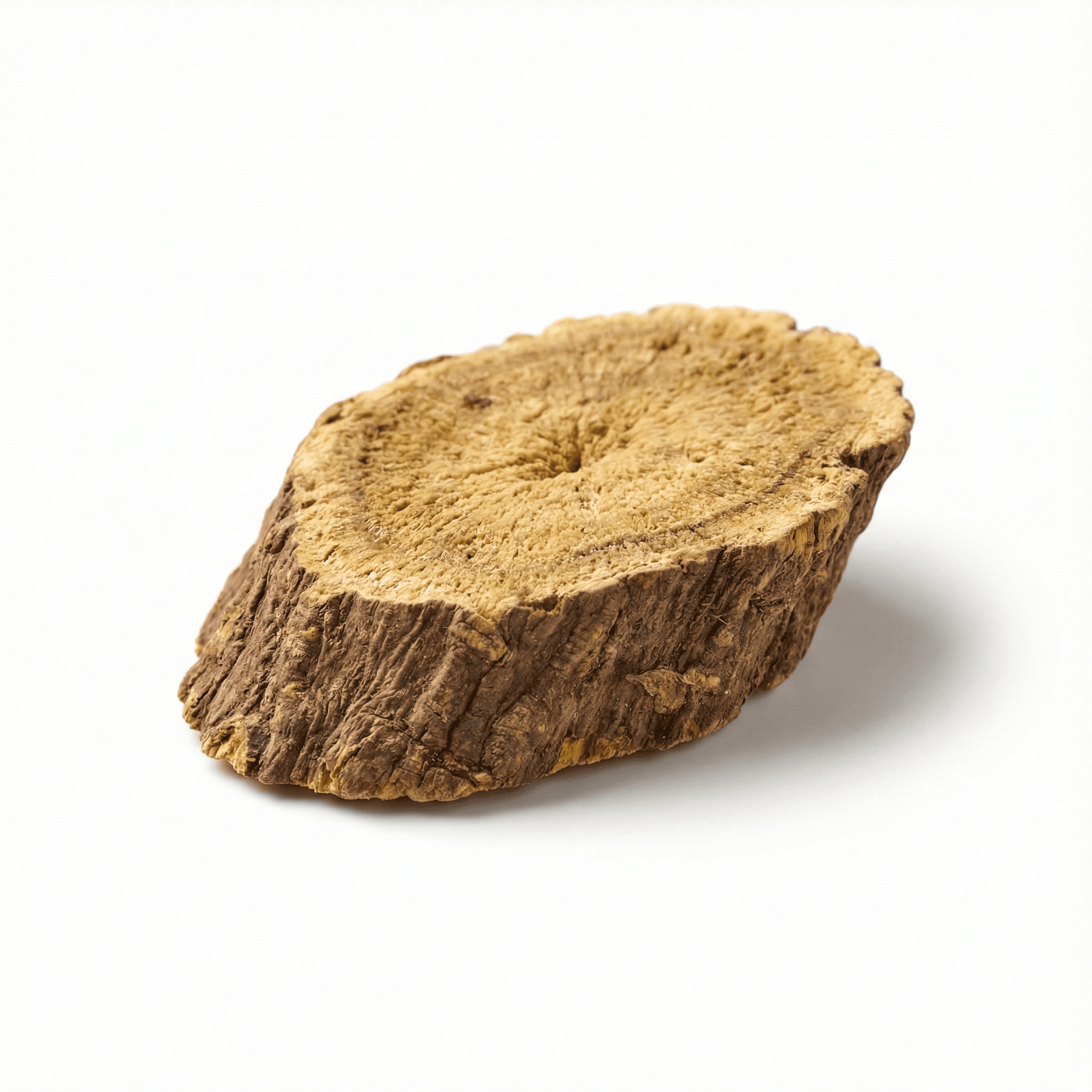
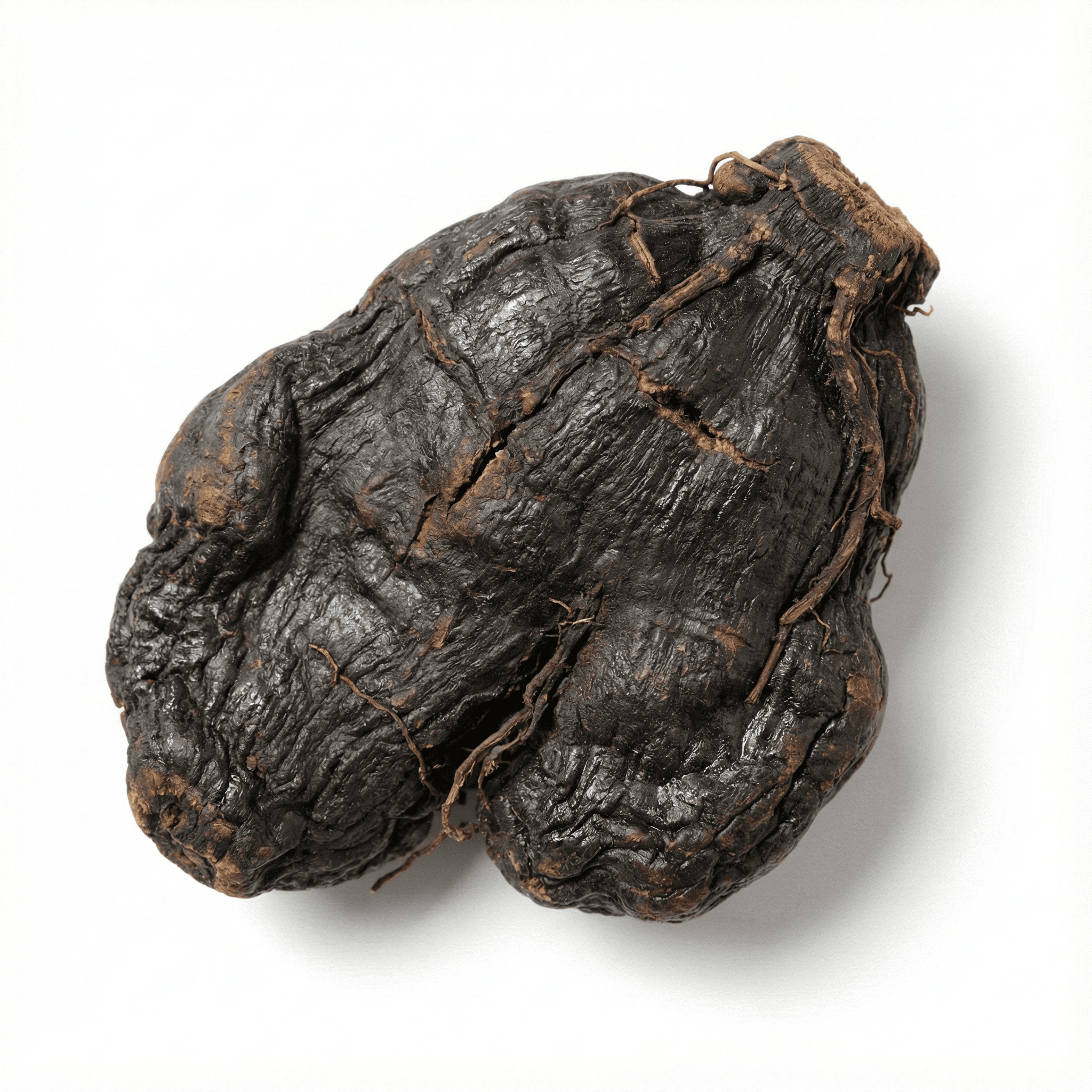
Xiang Fu (Rhizoma Cyperi) is a classical Qi‑regulating herb in TCM that disperses Liver‑Qi stagnation. It adds an additional layer of Qi circulation to the formula, preventing the strong draining action of Long Dan Cao from leaving an overly rigid or swelling sensation in the body.