Main benefits
Pattern Identification: Traditionally used for TCM patterns described as “alcohol‑dampness” and “Food Stagnation in the Middle Jiao,” associated with heaviness of the head and body, fullness in the epigastrium, and digestive discomfort after overindulgence in rich food or alcoholic drinks. These patterns are framed in terms of Dampness, Spleen dysfunction, and temporary disruption of the clear Yang rising and turbid Yin descending.
Core Function: Classically said to separate and reduce “alcohol‑dampness,” warm and support the Middle (Spleen and Stomach), promote the movement of Qi in the digestive system, and assist the transformation and transport of fluids. The emphasis is on restoring clarity and lightness after excess, rather than long‑term tonification.
Qi, Dampness and Fluids Relationship: Based on the TCM view that overconsumption of alcohol and greasy food generates Dampness and Turbid Phlegm, which obstruct the Spleen’s function of transforming and transporting. When Qi is impaired in its movement, fluids accumulate; accumulated Dampness further hinders Qi, creating a self‑perpetuating cycle of heaviness, fogginess, and digestive stagnation.
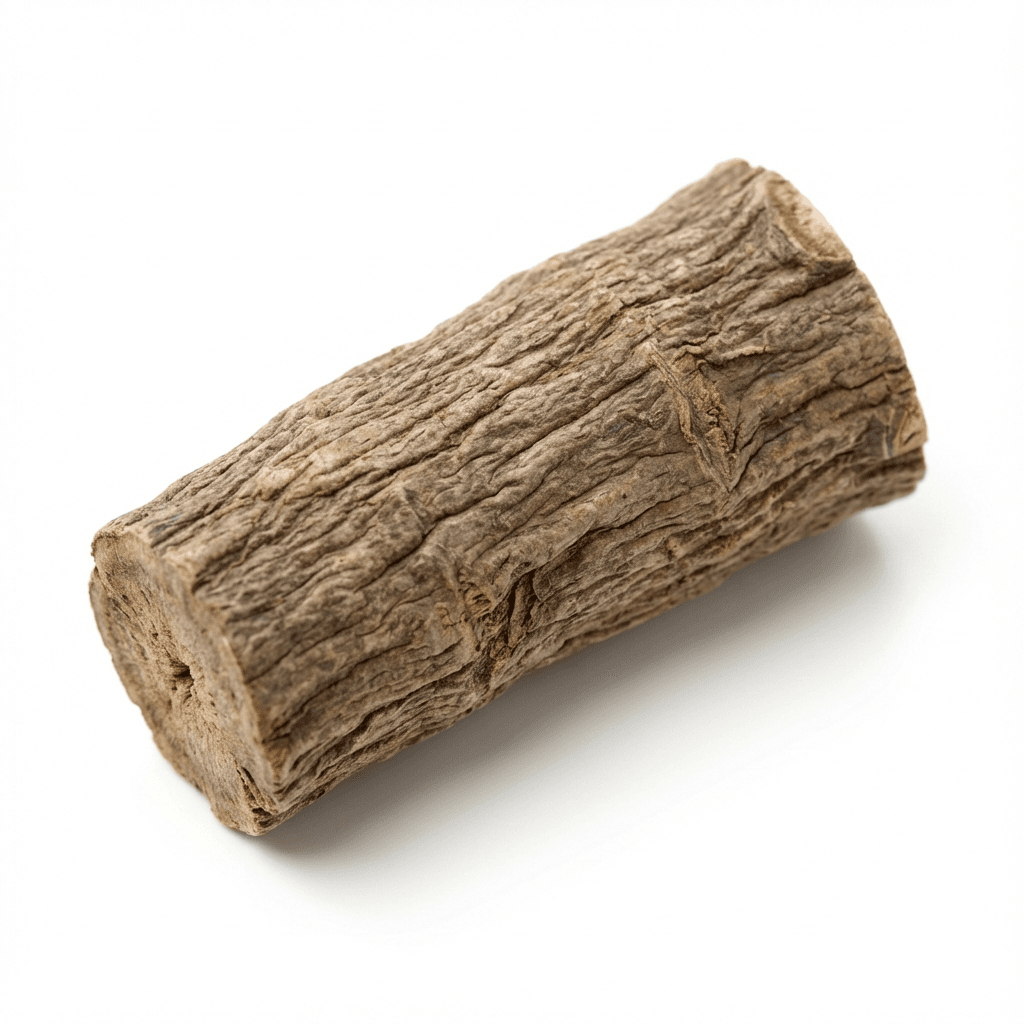
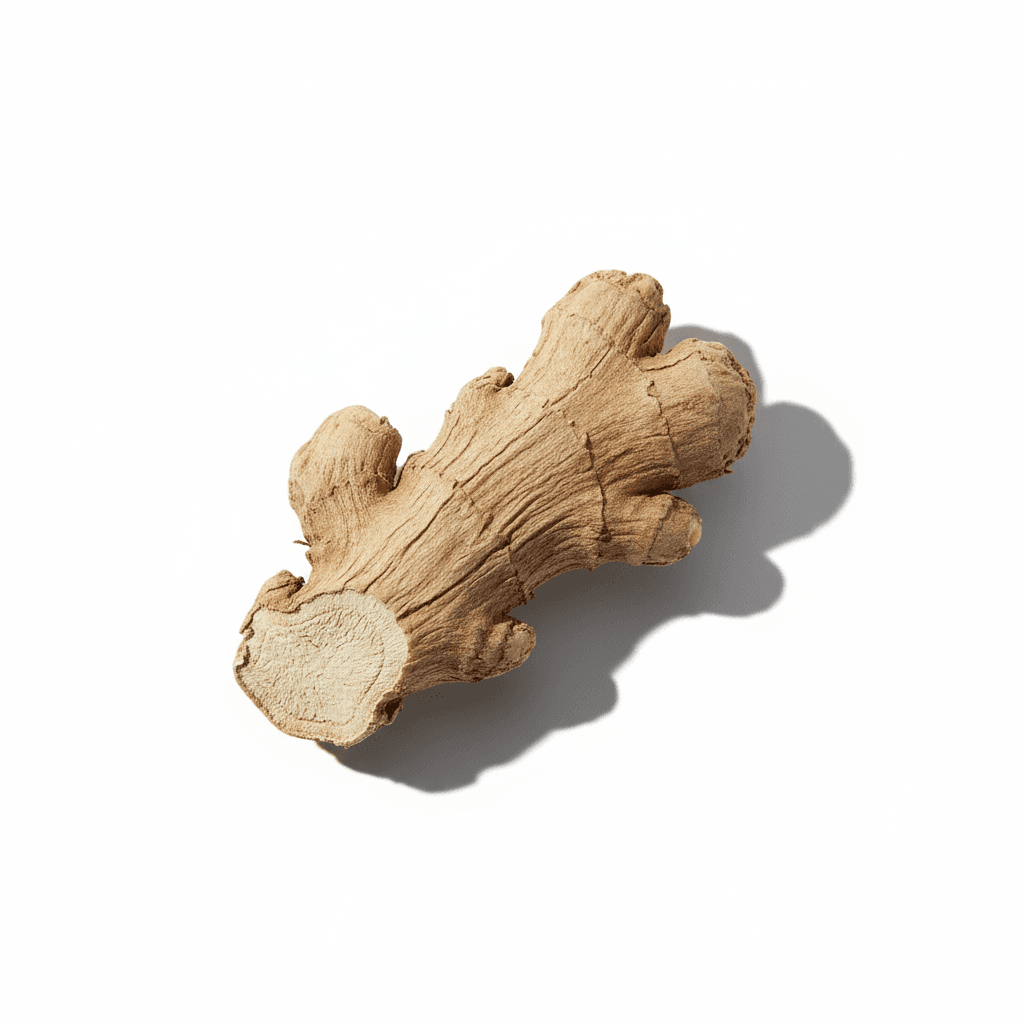
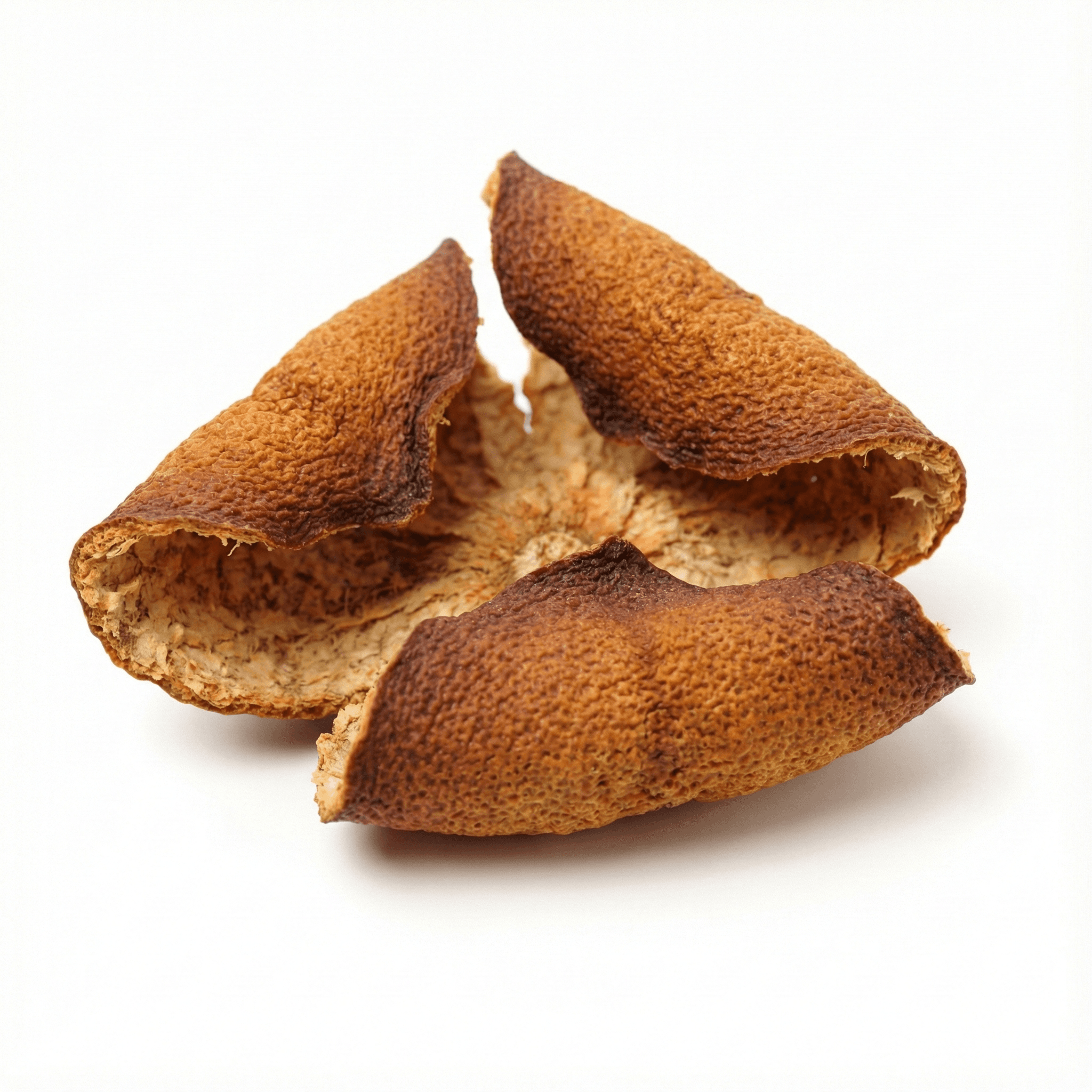
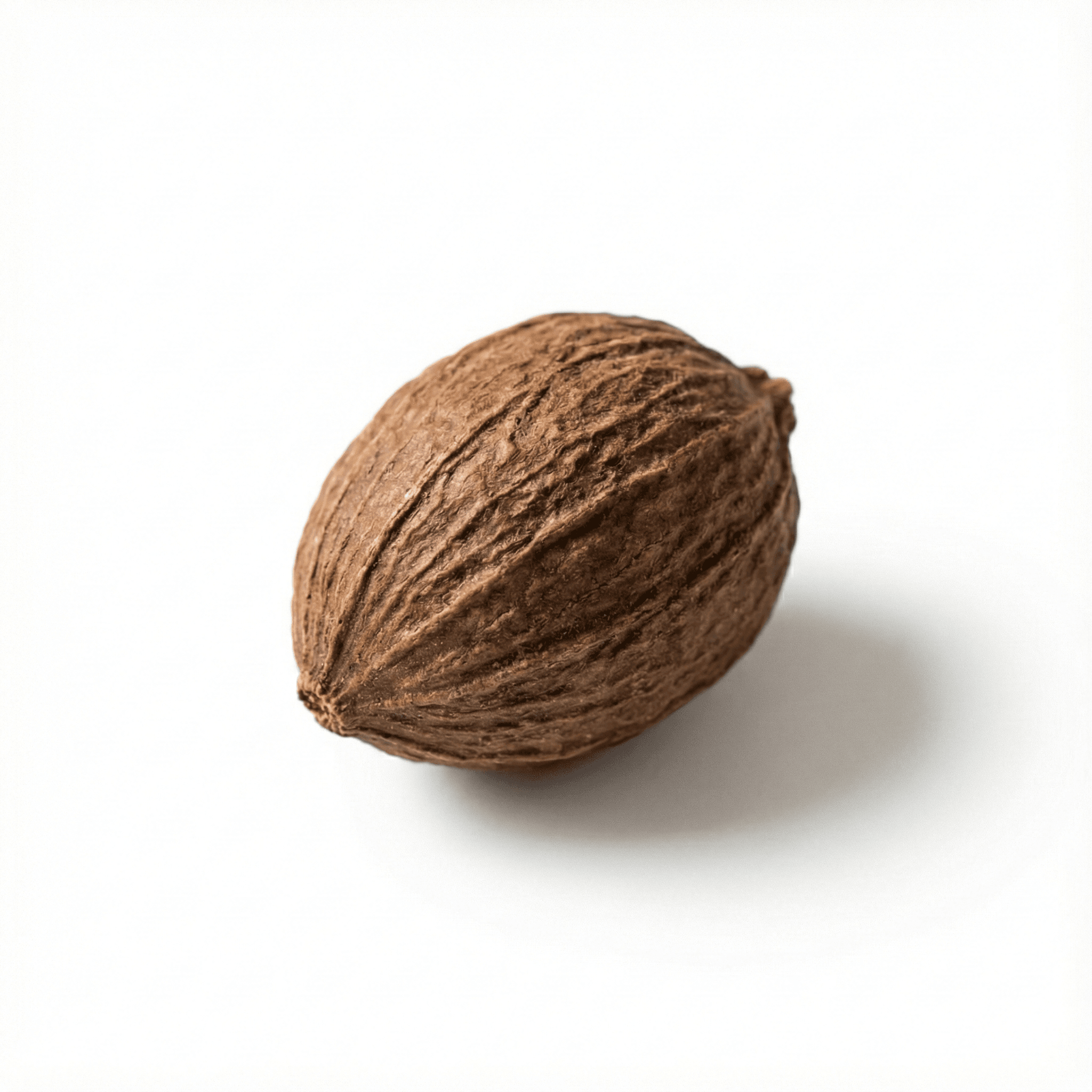
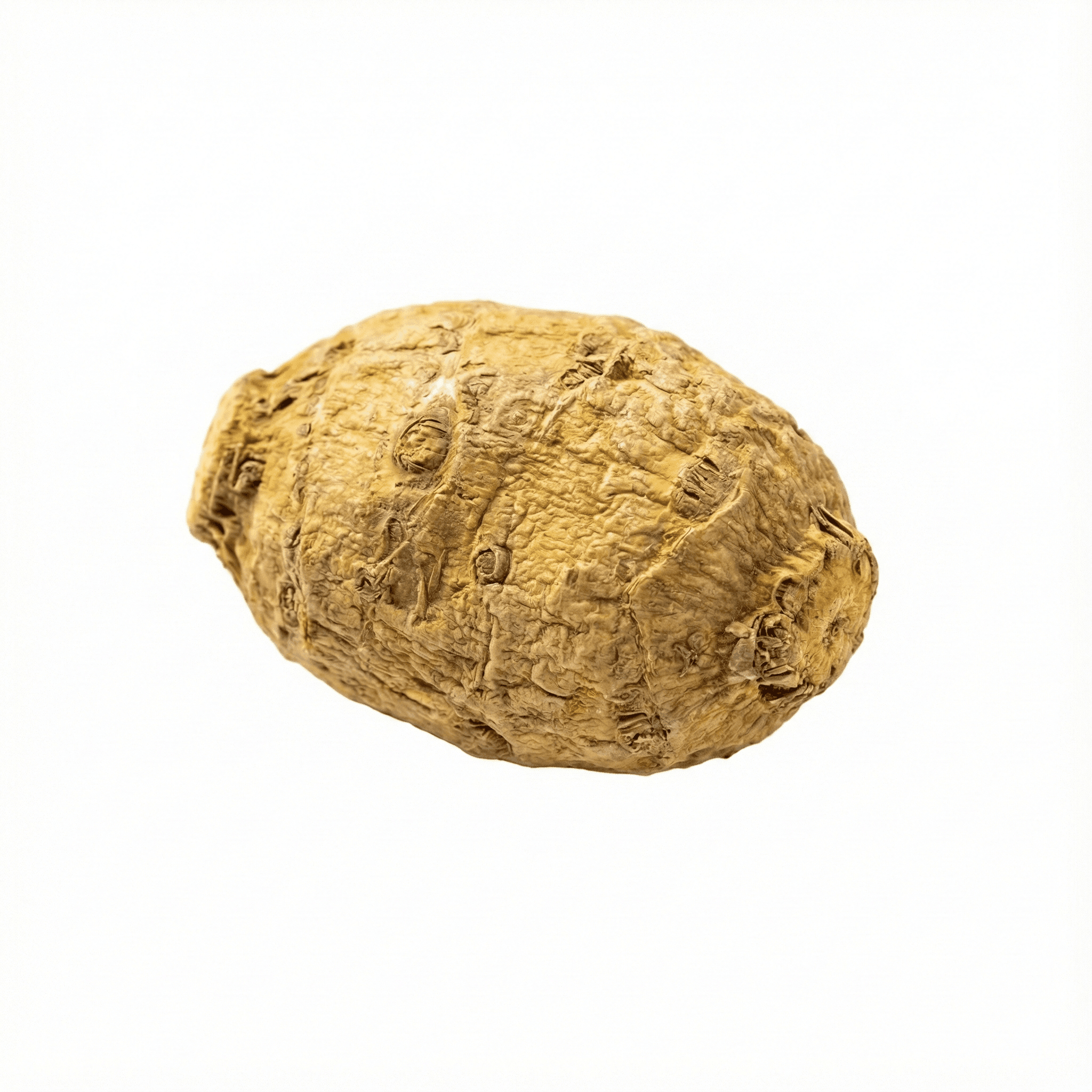
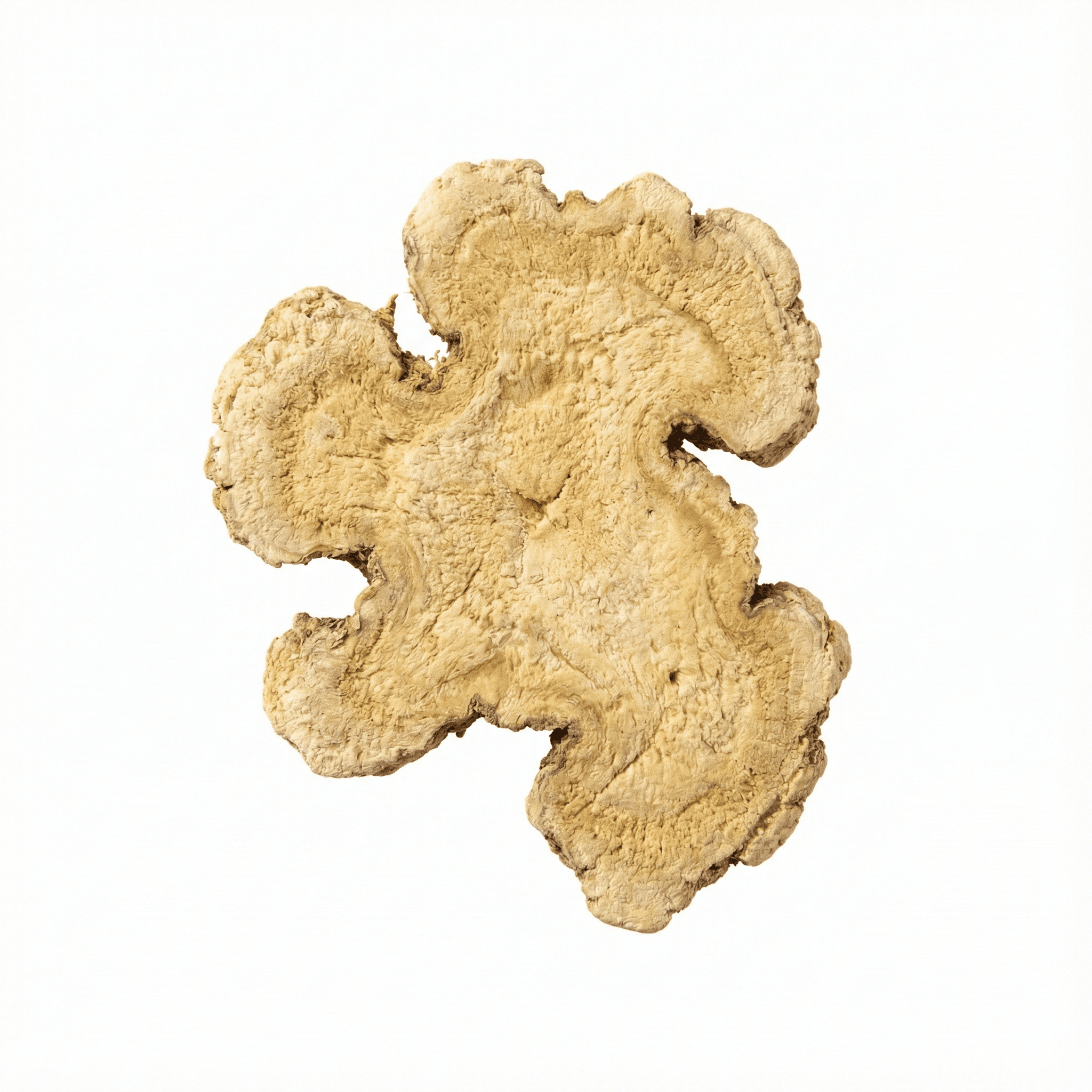
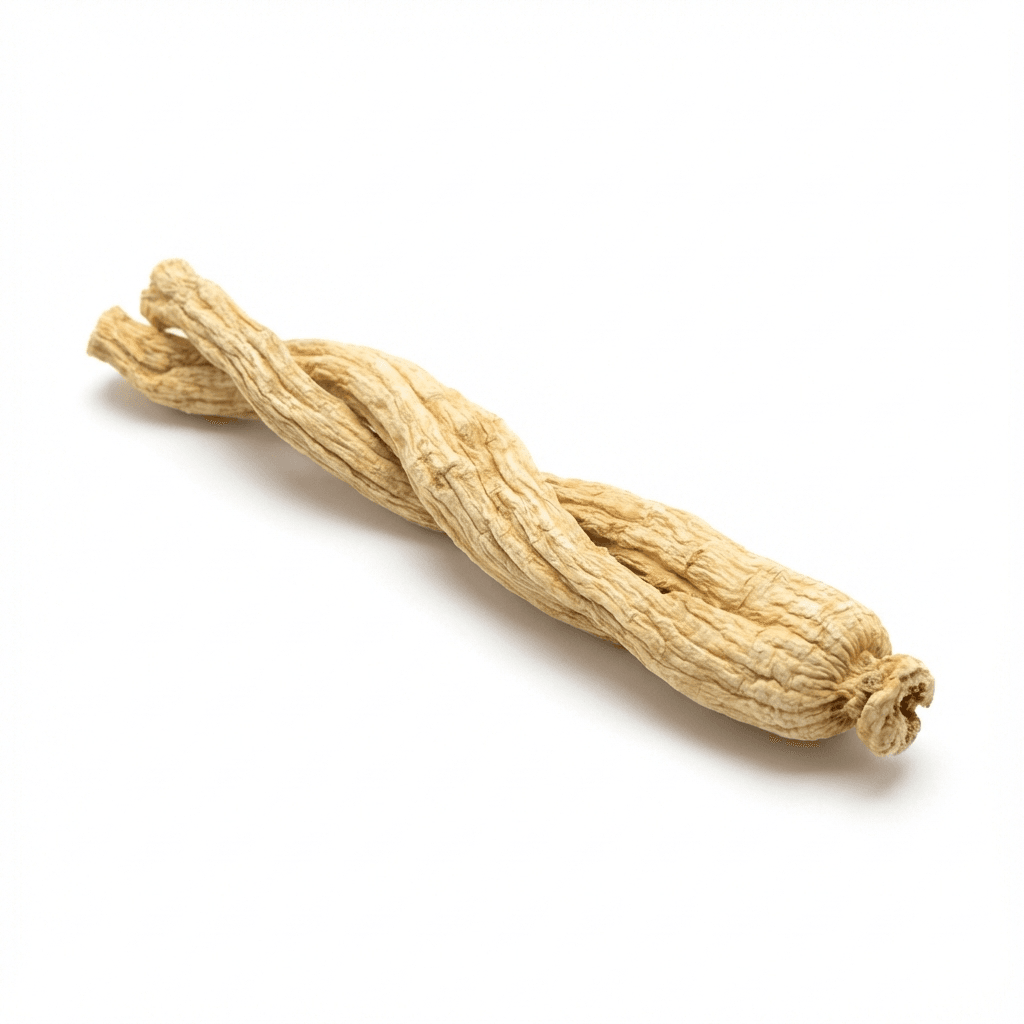
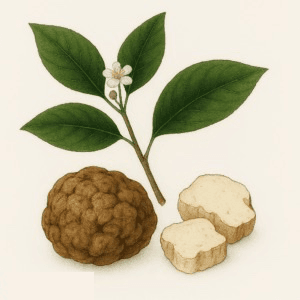
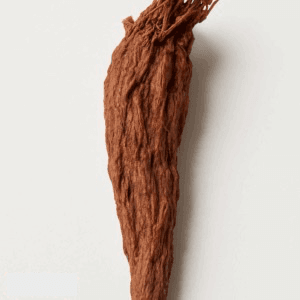
Key Ingredients: Ge Hua (Kudzu flower) is regarded as the chief herb to address the after‑effects of alcohol and support clarity in the head. Bai Dou Kou and Sha Ren are aromatic herbs that move Qi, awaken the Spleen, and transform Dampness. Bai Zhu, Fu Ling, Ze Xie and Zhu Ling support the Spleen and promote the normal movement and elimination of fluids. Chen Pi, Qing Pi and Mu Xiang regulate Qi and ease fullness in the chest and abdomen. Shen Qu assists in the transformation of food stagnation, while Gan Jiang warms the Middle and supports digestive fire. Modern blends may include Qi‑tonics such as Dang Shen to support Spleen Qi in more deficient constitutions.
Region of Action: Especially associated with the Middle Jiao (Spleen and Stomach) and the clear Yang of the head. In TCM terms, it is used when heaviness, fogginess, and fullness are felt in the head and upper body due to Dampness and turbid accumulation arising from the digestive tract, rather than from primary emotional or respiratory causes.
Classical Heritage: Derived from classical and later commentarial prescriptions focusing on “Pueraria Flower Decoction to Resolve Hangover,” Ge Hua Jie Cheng Tang is a representative formula in the TCM category of “reducing food stagnation with mild tonification.” It is frequently cited in modern TCM texts as a reference formula for patterns involving alcohol‑dampness with underlying Spleen Qi weakness.
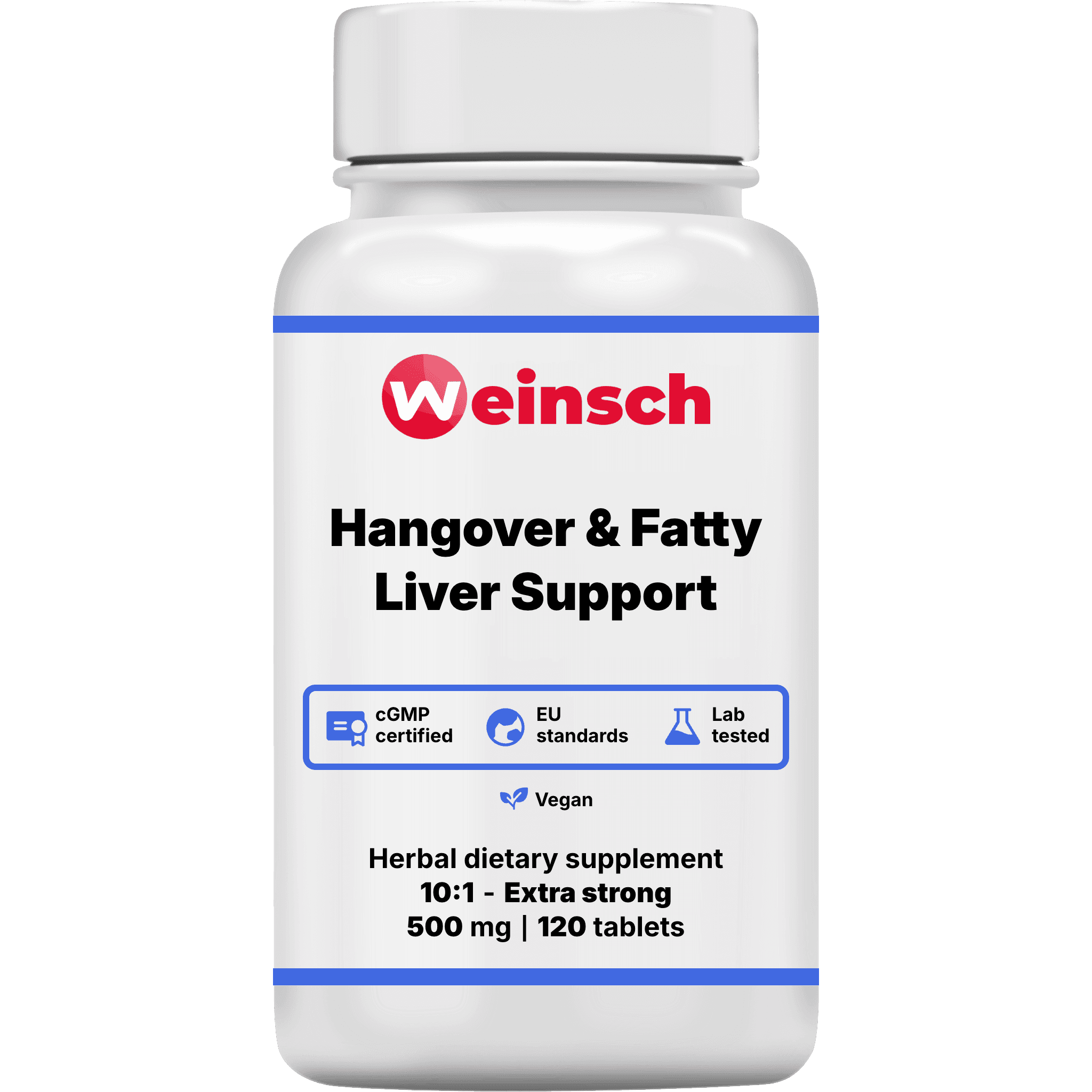
Weinsch.com TCM: Herbal dietary supplements of Traditional Chinese Medicine origine according to European standards!
- Strength 10:1
- 120 tablets per bottle
- Double or Triple the strength as regular brands
- Less fillers and binders
- No pharmaceuticals or dyes
- Thorough lab testing (heavy metals, pesticides etc.)
- Always made in controlled cGMP certified facility
- Unbeatable value
- European brand
This product is a dietary (food) supplement, to be taken as directed by a qualified practitioner. It is not intended to treat, cure, diagnose or prevent any disease. Not to replace a varied diet. Not to be taken if nursing or if pregnant. Not to be consumed continuously for longer than 3 months.