-
€ 25,50

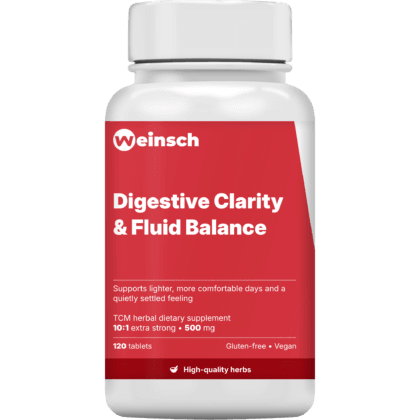
Digestive Clarity & Fluid Balance
-
€ 27,50

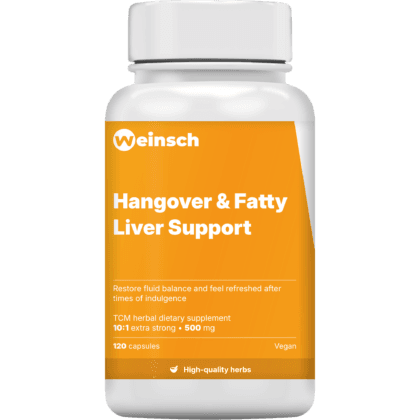
Hangover & Fatty Liver Support
-
€ 31,50

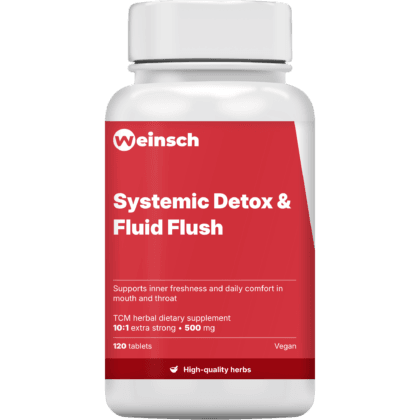
Systemic Detox & Fluid Flush
Bai Dou Kou
Round Cardamom Fruit (Bai Dou Kou) – The Botanical Used in Traditional Systems to Transform Dampness and Harmonize Digestion
Round cardamom fruit (Bai Dou Kou) is the traditional Chinese medicine name for the dried ripe fruit of Amomum kravanh or Amomum compactum, a highly aromatic botanical that has been a staple in East Asian herbal systems for centuries. It is regarded as an herb with warming and drying properties, particularly suitable for formulas aimed at digestive comfort, clearing internal dampness, and settling an upset stomach.
Traditional Understanding in TCM Systems
Within traditional Chinese medicine, round cardamom fruit (Bai Dou Kou) is described as a pungent, warm, and highly aromatic substance. In the TCM theoretical framework, it acts primarily on the Lung, Spleen, and Stomach meridians. According to this traditional description, round cardamom fruit (Bai Dou Kou) powerfully transforms “Dampness,” promotes the smooth movement of “Qi” (vital energy), and warms the middle to stop rebellious “Stomach Qi.” When cold and dampness stagnate in the digestive tract, discomforts like nausea, a feeling of heavy fullness, or loss of appetite can arise. Round cardamom fruit (Bai Dou Kou) helps perform a dynamic “warming and unblocking” effect.
In TCM formulas, round cardamom fruit (Bai Dou Kou) is seen as a botanical that helps promote normal digestive descent and clear upper respiratory pathways. It is traditionally used to alleviate nausea, relieve bloating, and foster general physical comfort by resolving internal dampness and restoring a healthy appetite.
Botanical Composition and Research
Round cardamom fruit (Bai Dou Kou) contains a rich profile of volatile essential oils, most notably d-camphor, cineole, pinene, and nerolidol. This phytochemical profile is connected in traditional applications with the relaxation of smooth muscles and the promotion of gastrointestinal vitality.
Modern scientific research shows that Amomum extracts can offer specific benefits. Studies show that round cardamom fruit (Bai Dou Kou) preparations:
-
Possess antioxidant properties and help protect cellular health
-
Can have strong antiemetic actions to help settle nausea and calm the stomach
-
Can support normal gastrointestinal motility and relieve bloating or gas
-
Can promote the secretion of digestive fluids to improve appetite
-
Can possess mild antimicrobial properties against common foodborne pathogens
-
Contain volatile oils that stimulate circulation and provide a warming sensation
-
Are used in traditional formulas with enhanced effects on digestive harmony
Scientists particularly investigate how the volatile oil components of the cardamom pod can contribute to normal gastric rhythms and the body’s natural regulation of intestinal spasms.
Traditional Applications – TCM Context
In traditional TCM formulas, round cardamom fruit (Bai Dou Kou) is classically used in situations described as:
-
Nausea, vomiting, or a general feeling of an unsettled stomach
-
A feeling of heavy fullness or tightness in the chest and upper abdomen
-
Poor appetite or digestive sluggishness linked to cold environments
-
Digestive discomfort accompanied by excess gas or bloating
-
A heavy, lethargic sensation in the body caused by internal dampness
-
Mild respiratory challenges where a feeling of chest oppression is present
These are traditionalist descriptions that form part of the TCM thinking system and must not be equated with medical diagnoses in the sense of European medicinal product law.
Well-being and Daily Use
Round cardamom fruit (Bai Dou Kou) is valued by modern users as part of a conscious wellness routine aimed at digestive comfort, especially during humid weather, after consuming heavy or greasy meals, or when experiencing motion sickness. The herb works optimally in balanced herbal mixtures or as an aromatic culinary spice, combined with adequate hydration, mindful eating habits, and the avoidance of excessively cold or raw foods.
Many users see round cardamom fruit (Bai Dou Kou) as part of a holistic approach to internal harmony and metabolic flow – as a supportive element in traditional routines, alongside professional guidance and regular medical care when needed.