-
€ 27,50

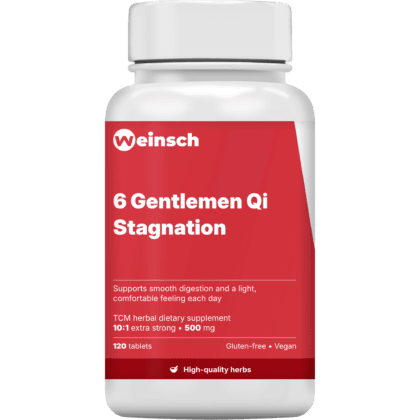
6 Gentlemen Qi Stagnation
-
€ 29,50

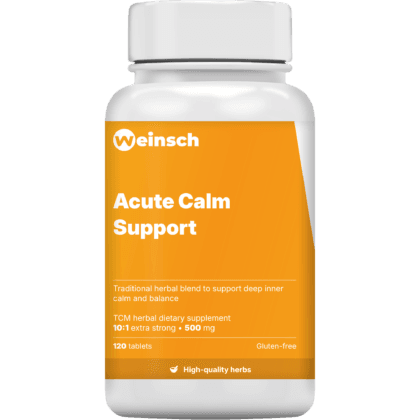
Acute Calm Support
-
€ 29,50

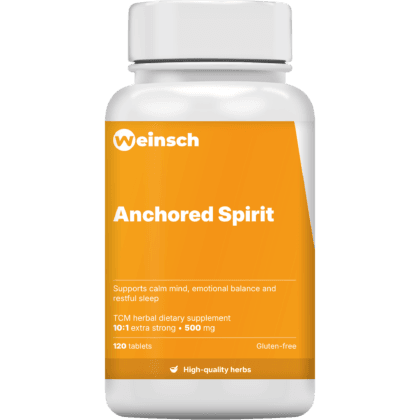
Anchored Spirit
-
€ 27,50
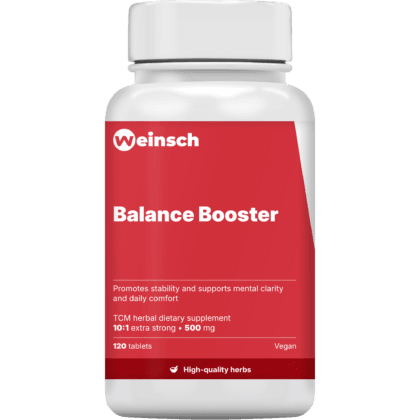
Balance Booster
-
€ 25,50

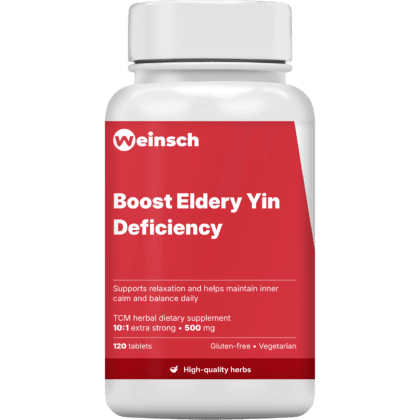
Boost Eldery Yin Deficiency
-
€ 27,50

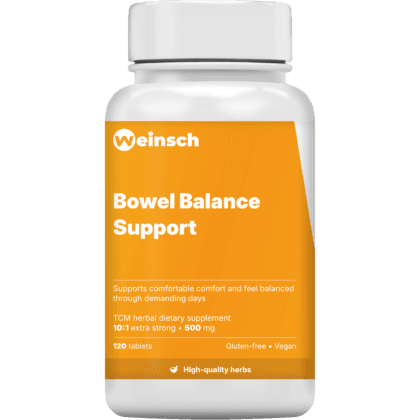
Bowel Balance Support
-
€ 27,50

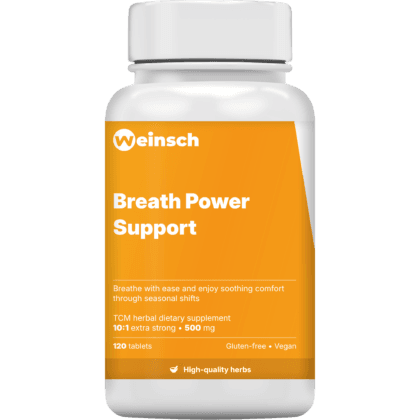
Breath Power Support
-
€ 25,50

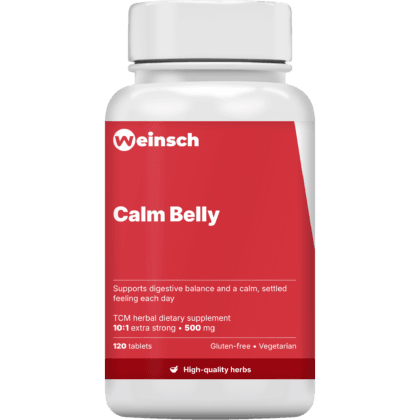
Calm Belly
-
€ 29,50

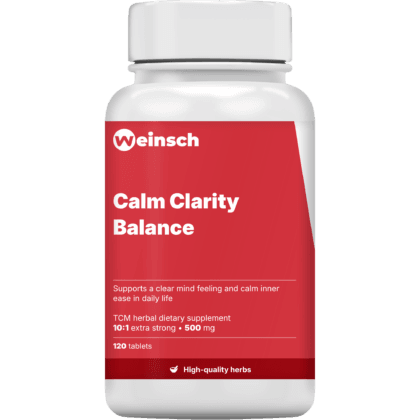
Calm Clarity Balance
-
€ 27,50

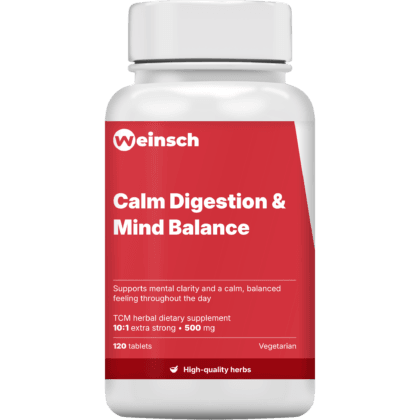
Calm Digestion & Mind Balance
-
€ 25,50

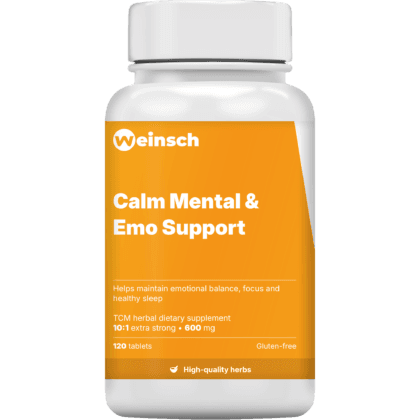
Calm Mental & Emo Support
-
€ 31,50
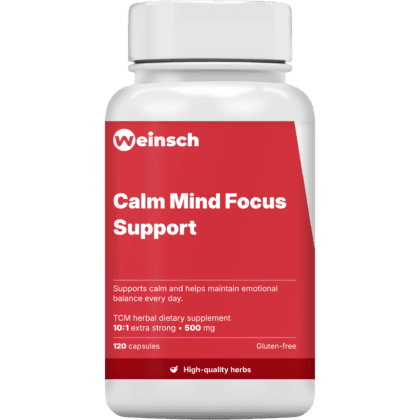
Calm Mind Focus Support
Poria
Poria (Fu Ling) – The Fungus Used in Traditional Systems to Calm the Mind and Strengthen Digestion
Poria (Fu Ling) is the traditional Chinese medicine name for the dried sclerotium of Wolfiporia extensa (also known as Poria cocos), a remarkable medicinal fungus that grows on the roots of pine trees and has been a cornerstone of traditional East Asian herbal systems for over 2000 years. It is regarded as a uniquely gentle and nourishing substance with neutral, slightly sweet properties, particularly suitable for formulas aimed at strengthening digestive vitality, calming the spirit, and harmonizing the entire herbal formula it is part of.
Traditional Understanding in TCM Systems
Within traditional Chinese medicine, Poria (Fu Ling) is described as a sweet and bland fungus with a neutral nature. In the TCM theoretical framework, it acts primarily on the Heart, Spleen, and Kidney meridians. According to this traditional description, Poria gently strengthens the so-called “Spleen Qi” – the digestive and transformative energy of the body – while simultaneously draining excess dampness and calming the “Shen” (spirit or inner calm).
In TCM formulas, Poria (Fu Ling) is seen as an essential harmonizing herb that moderates and balances the actions of other botanicals. It is traditionally used to ease digestive sluggishness, reduce accumulation of internal dampness, and gently quiet an unsettled mind, making it one of the most widely used ingredients in classical Chinese herbal medicine.
Botanical Composition and Research
Poria (Fu Ling) contains a rich profile of polysaccharides (most notably beta-glucans such as pachymaran), triterpenoids (including pachymic acid), ergosterol, and essential minerals. This phytochemical profile is connected in traditional applications with profound support for immune vitality, digestive harmony, and nervous system balance.
Modern scientific research shows that Poria extracts can offer specific benefits. Studies show that Poria (Fu Ling) preparations:
-
Possess potent immunomodulatory properties for a robust immune response
-
Can strongly support normal digestive function and gut flora balance
-
Help promote a calm nervous system and support healthy sleep quality
-
Possess antioxidant activity that combats cellular aging and free radicals
-
Can support normal kidney and urinary tract function
-
Offer mild anti-inflammatory action throughout the body
-
Work supportively on healthy blood sugar metabolism
Scientists particularly investigate how the beta-glucan polysaccharides of this fungus can modulate immune cell activity and contribute to a balanced inflammatory response and healthy gut ecology.
Traditional Applications – TCM Context
In traditional TCM formulas, Poria (Fu Ling) is classically used in situations described as:
-
Sluggish digestion, bloating, or a sensation of heaviness after eating
-
Loose stools or fluid retention linked to internal dampness
-
Palpitations or an unsettled heart sensation linked to digestive weakness
-
Restlessness, worry, or difficulty falling asleep
-
Fatigue or a general sense of low energy throughout the day
-
Urinary discomfort or infrequent urination linked to fluid stagnation
These are traditionalist descriptions that form part of the TCM thinking system and must not be equated with medical diagnoses in the sense of European medicinal product law.
Well-being and Daily Use
Poria (Fu Ling) is valued by modern users as part of a conscious wellness routine aimed at digestive health, immune resilience, and mental calm, especially for individuals experiencing stress-related digestive disruption, fatigue, or a weakened immune response. Because of its remarkably gentle and neutral nature, the fungus works optimally in almost any balanced herbal mixture, combined with a whole-food diet, adequate hydration, and consistent rest.
Many users see Poria (Fu Ling) as part of a foundational, long-term approach to systemic well-being – as a harmonizing and supportive element in traditional routines, alongside professional guidance and regular medical care when needed.