Main benefits
Pattern Identification: Traditionally used for the TCM pattern of Qi‑ and Blood‑deficiency with Blood stasis and Liver–Kidney weakness in women, often manifesting as fatigue, pale or dull complexion, irregular or painful menstruation, and tendency to cold in the lower abdomen.
Core Function: The formula is classically said to tonify Qi and Blood, gently nourish Liver and Kidney essence, move Blood and regulate menstruation, while supporting emotional stability and sleep in deficiency patterns.
Qi, Blood and Essence Relationship: Based on the TCM view that chronic Qi‑ and Blood‑deficiency can lead to stasis and depletion of Jing (essence), this formula addresses all three by strengthening Spleen and Lung Qi, enriching Blood, and supporting Kidney/Liver essence so that the Chong and Ren channels are more sufficiently nourished.
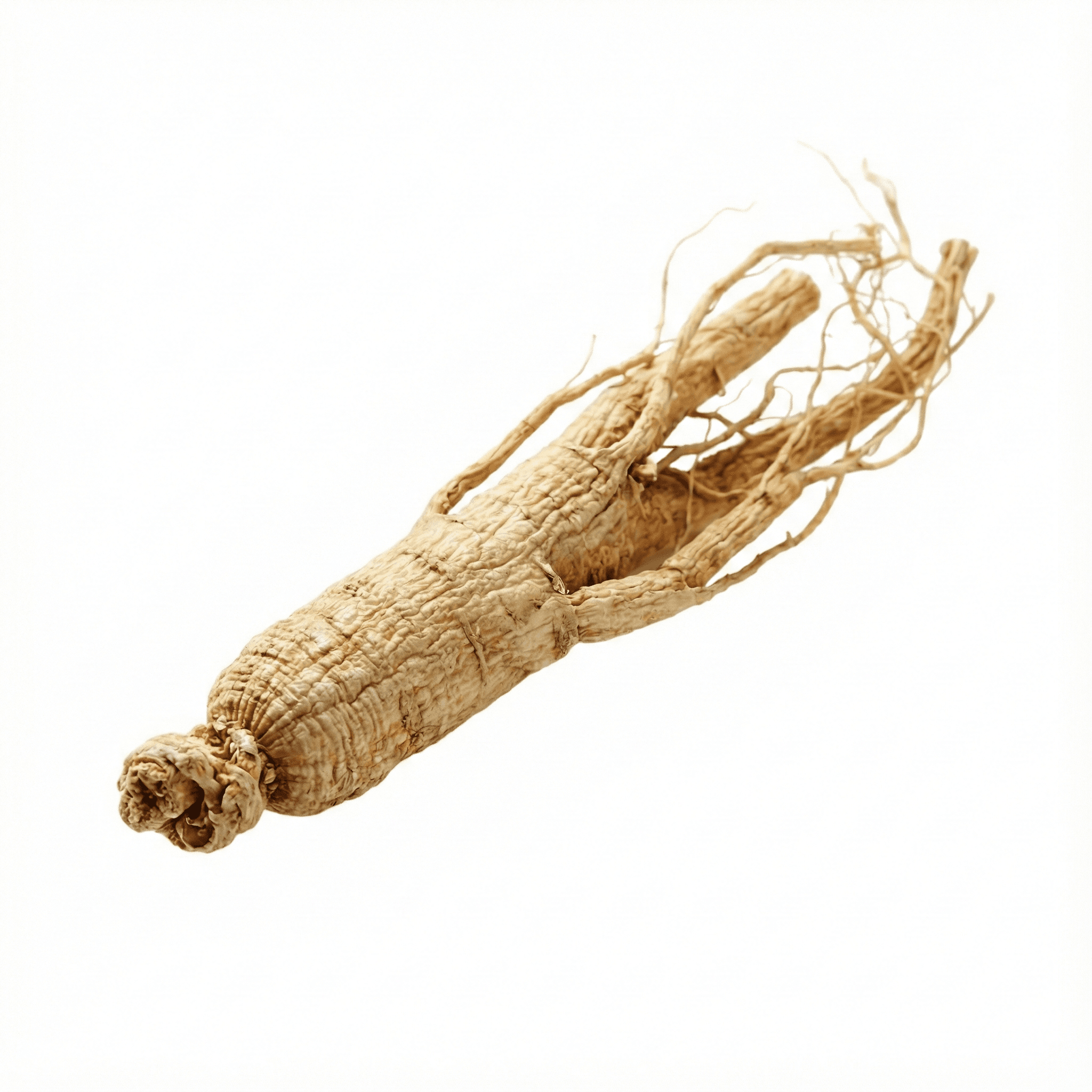
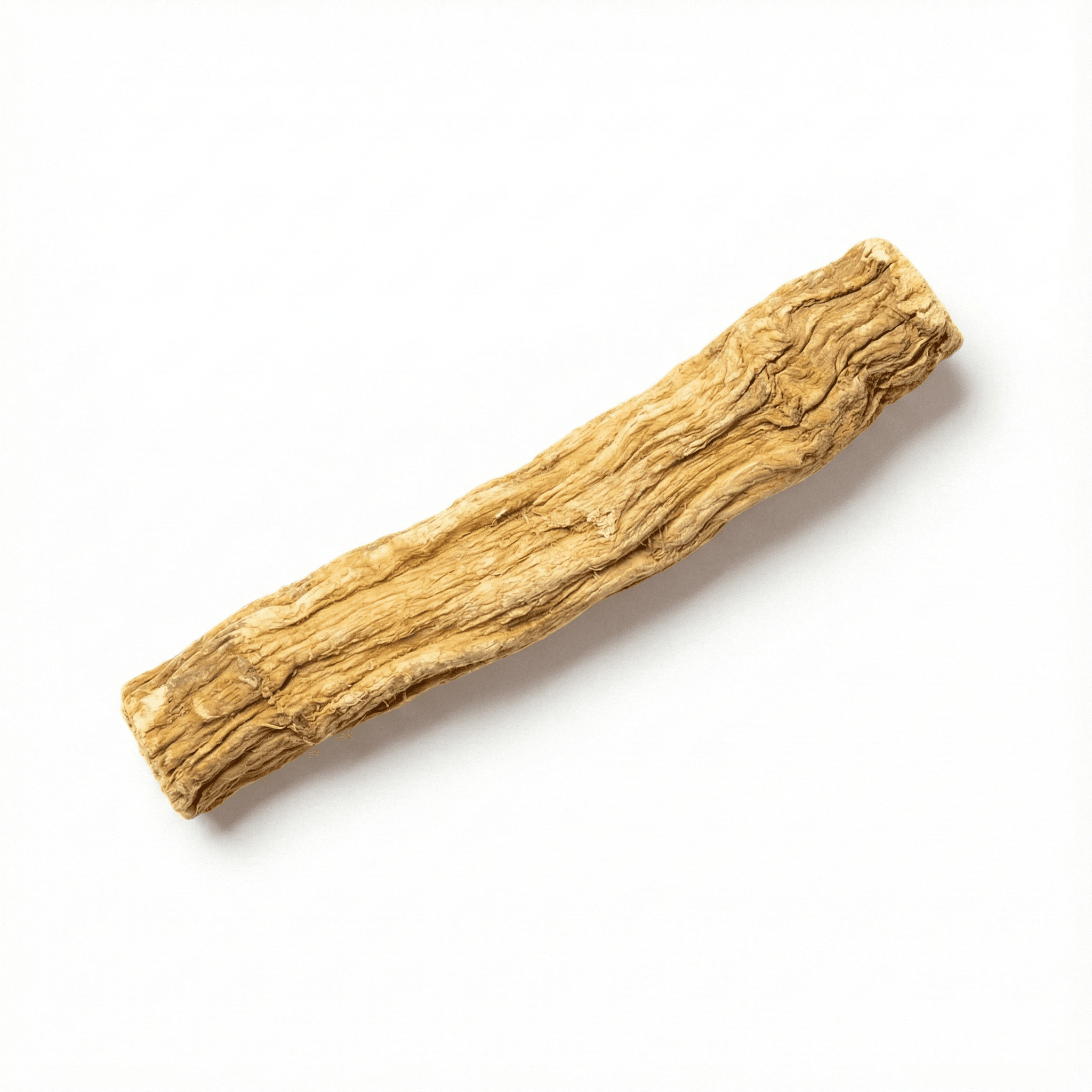
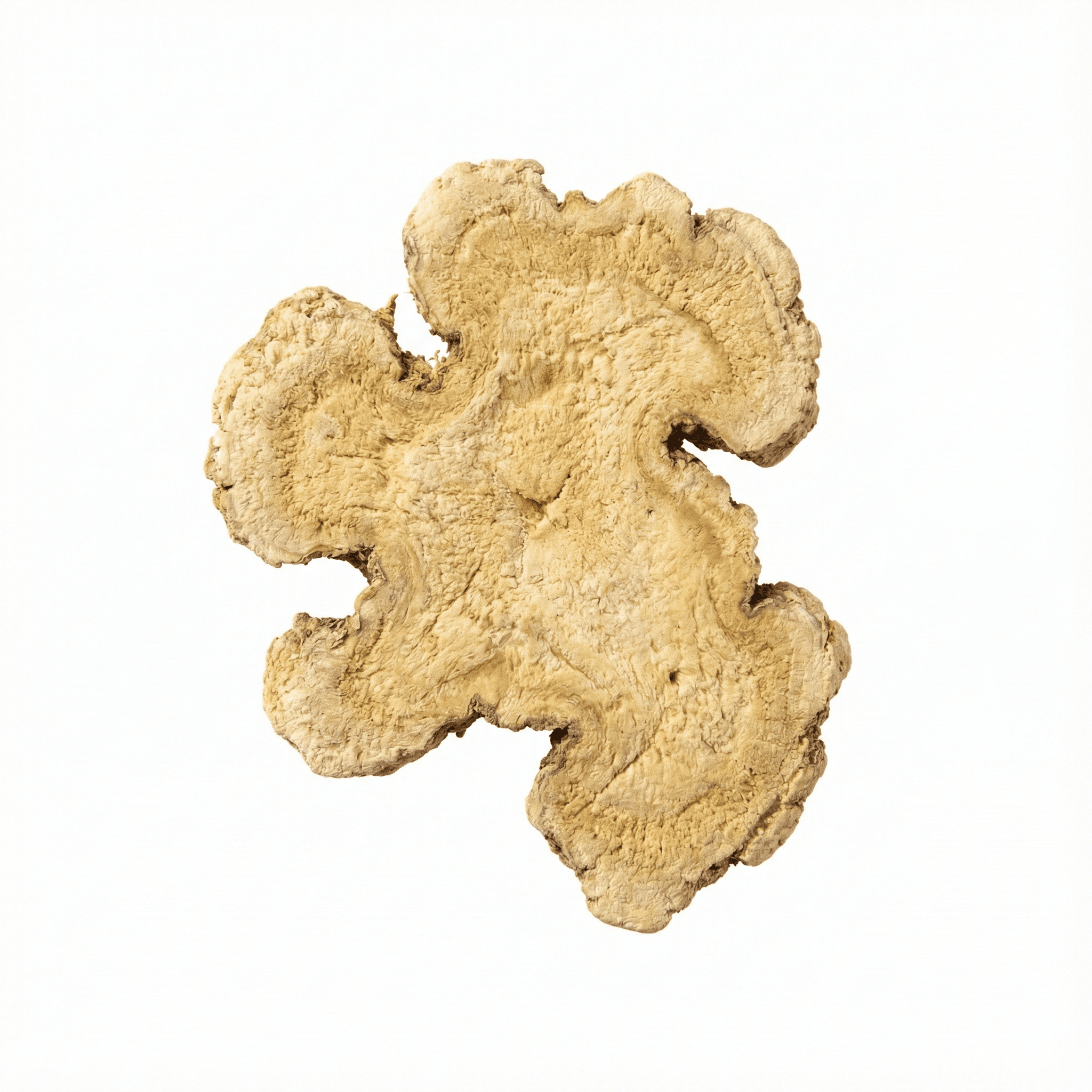
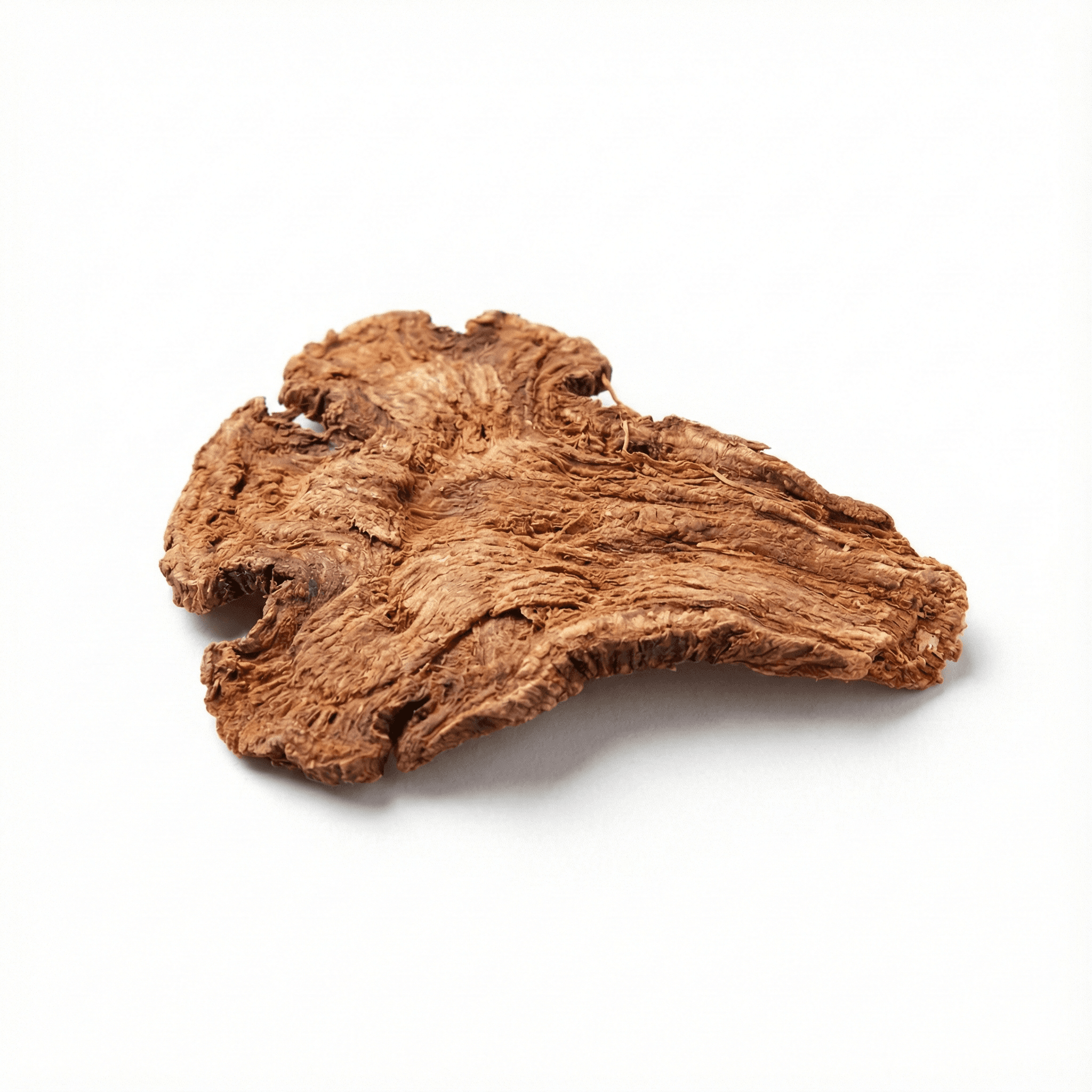
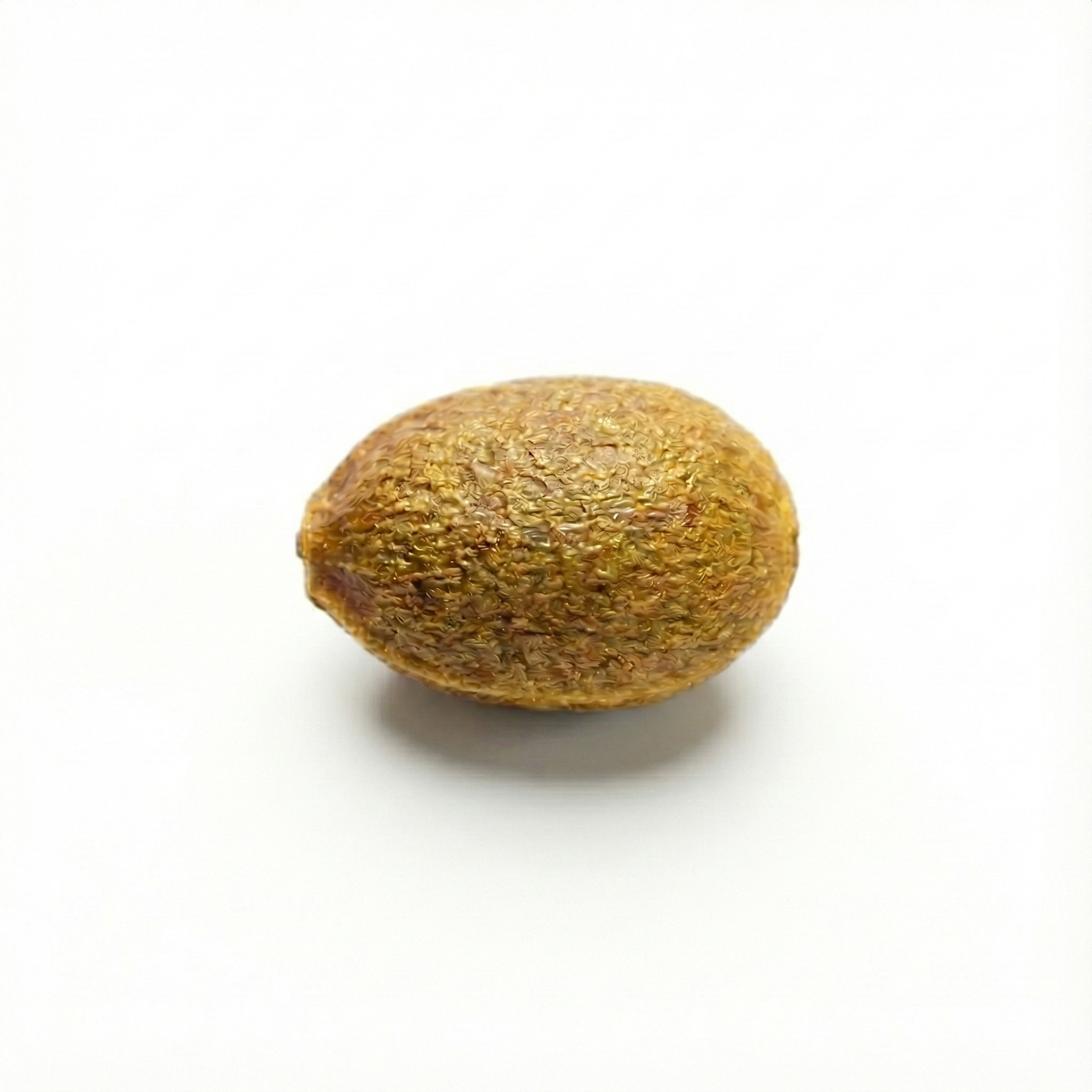
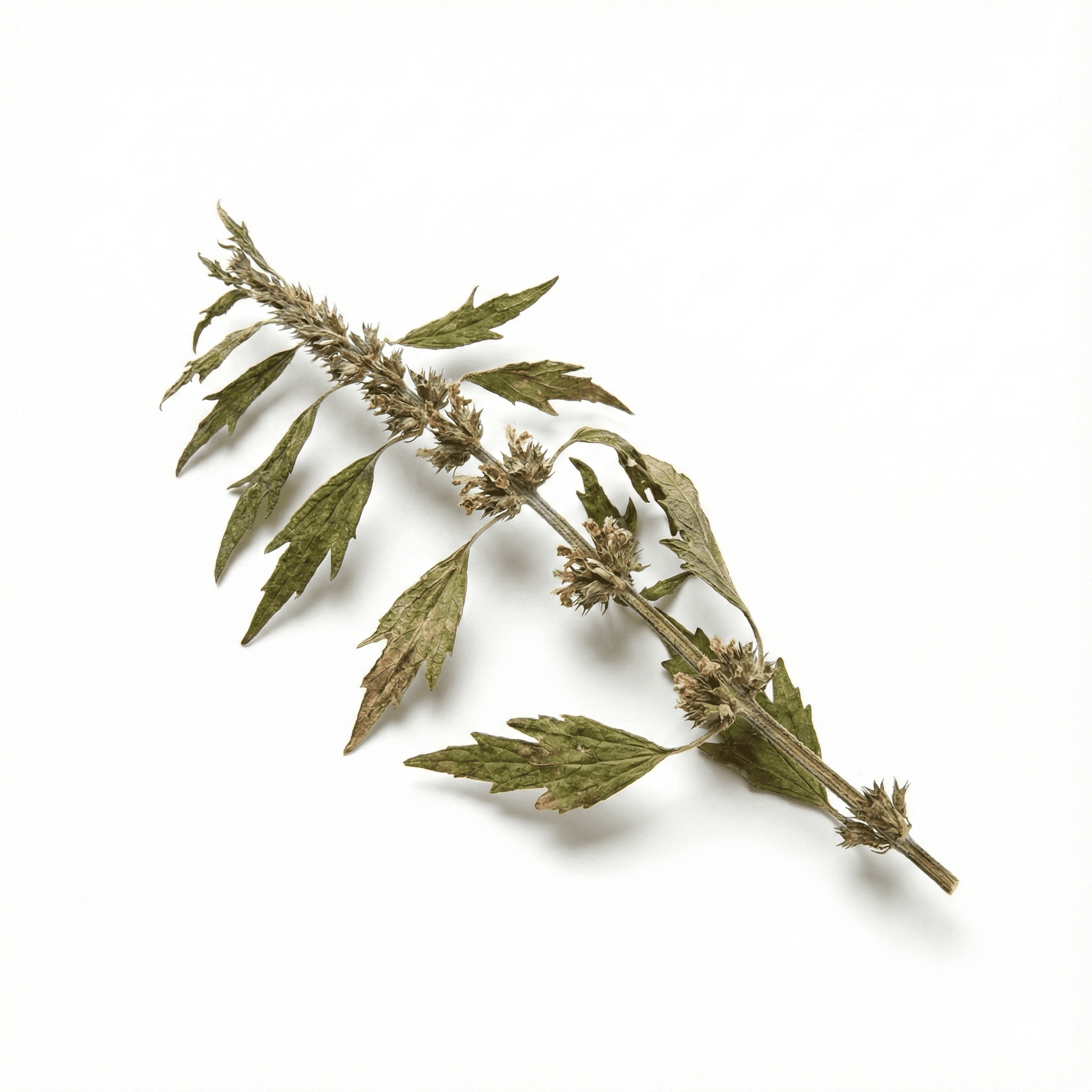
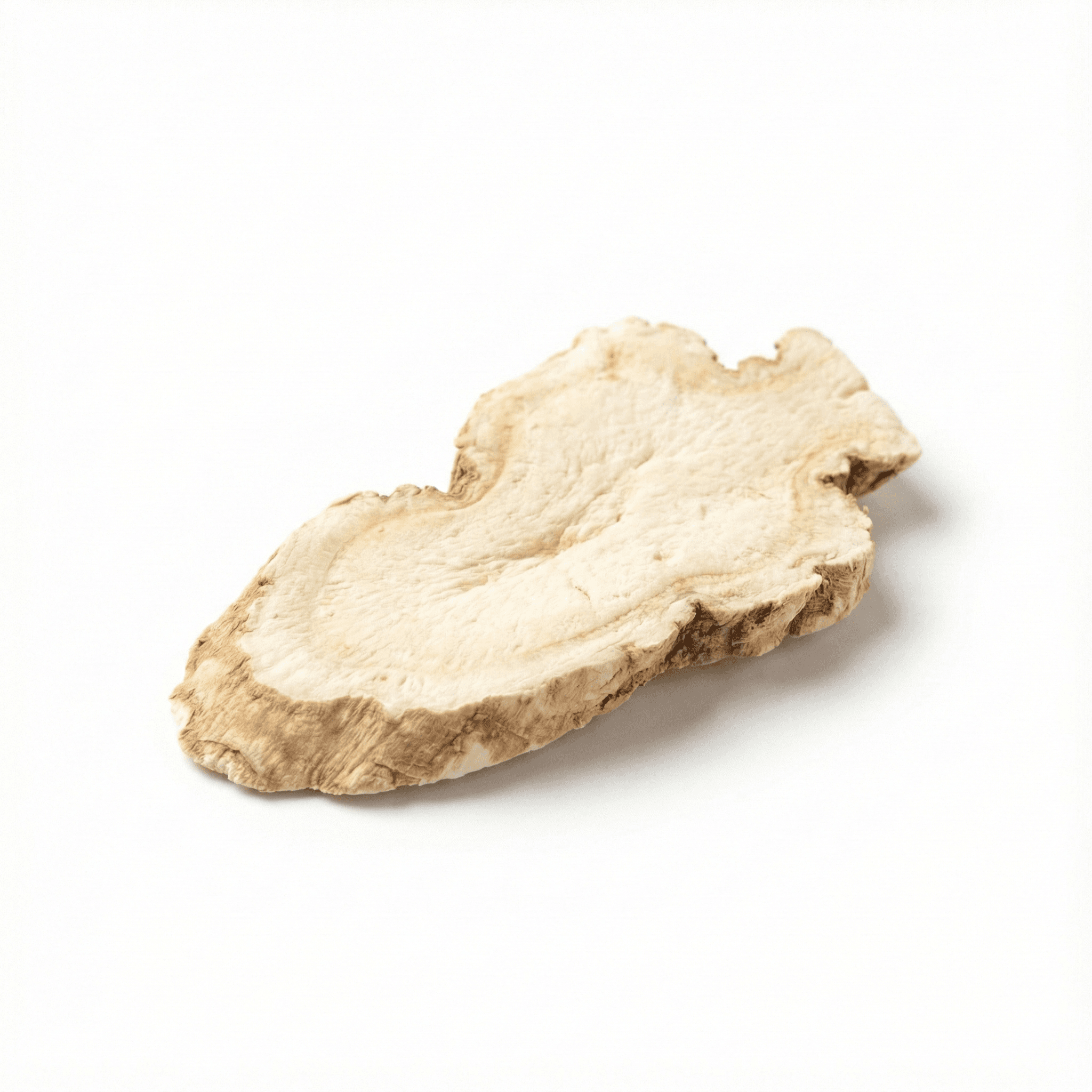
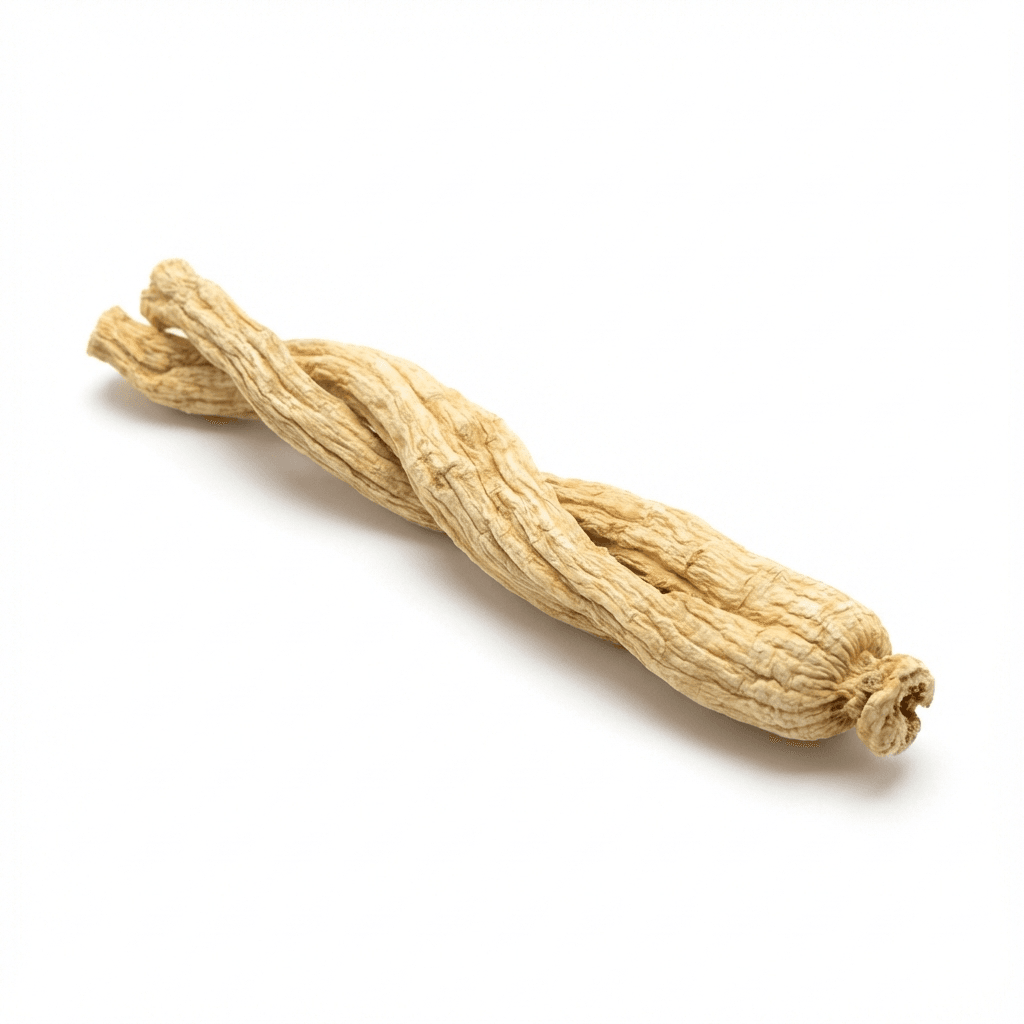
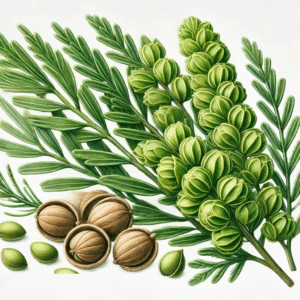
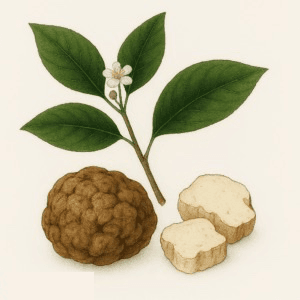
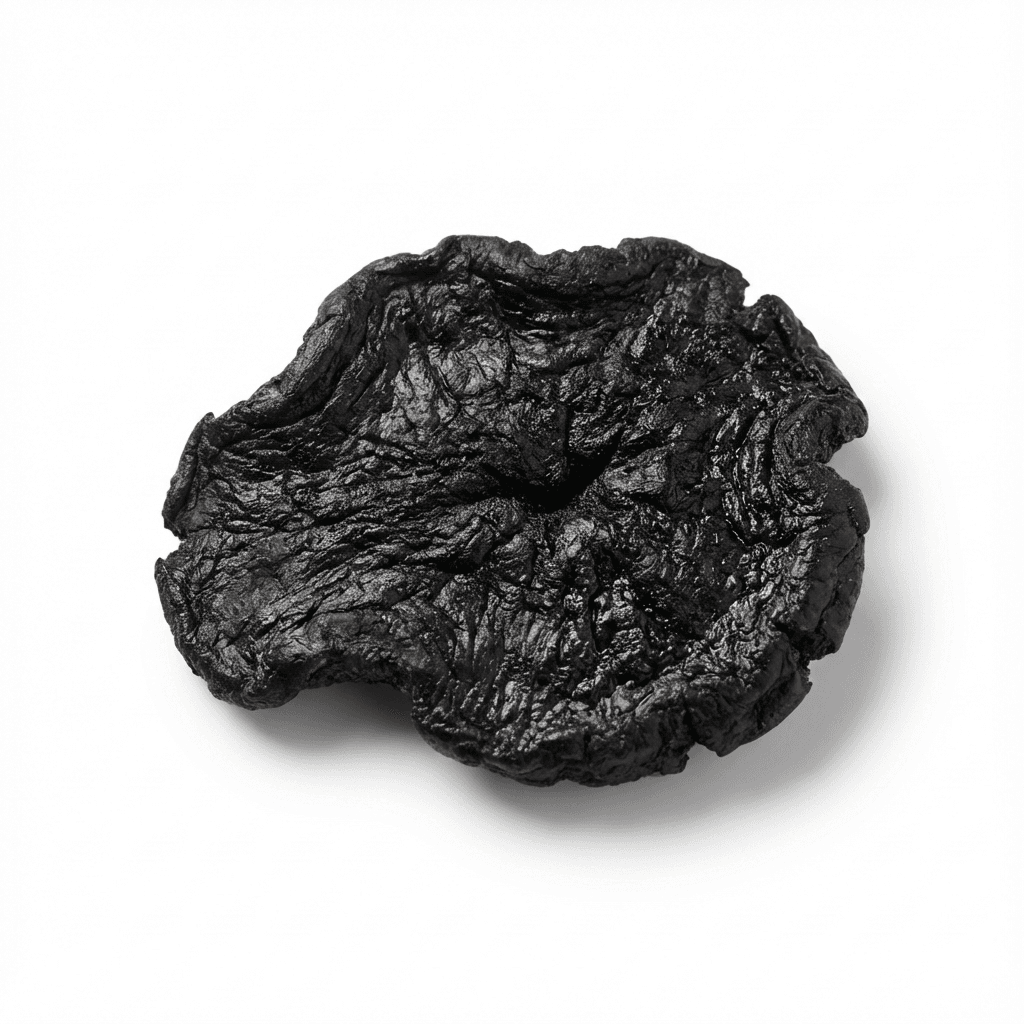
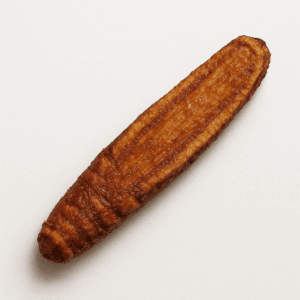
Key Ingredients: Codonopsis, Astragalus and Ginseng strengthen Qi and support Spleen and Lung function; Atractylodes, Poria and prepared Licorice fortify the middle and transform Damp; Angelica, prepared Rehmannia, White Peony and Ligusticum nourish and move Blood; Leonurus and Cyperus regulate Liver Qi and move Blood in the uterus; Cuscuta seed, prepared Polygonum multiflorum, Polygonatum and Goji berries nourish Liver–Kidney essence and Blood, while Biota seed calms the Shen and supports restful sleep.
Emotional and Gynecological Component (TCM): Often used where menstrual or post‑partum complaints coexist with emotional constraint, low mood, anxiety or insomnia, reflecting the connection in TCM between Liver Blood, Heart Blood, Kidney essence and the regulation of both mood and the female cycle.
Region of Action: Especially associated with the Liver, Spleen, Heart, Kidney, Chong and Ren channels, focusing on the lower abdomen (uterus), Blood and essence, as well as the Heart and Shen, to address fatigue, cycle discomfort and emotional symptoms within a Qi–Blood–Jing deficiency pattern.
Classical Heritage: Evolving from the classical Ba Zhen Tang (“Eight Treasures Decoction”) and its gynecological extension with motherwort (Yi Mu), this type of Yi Mu Ba Zhen Tang is regarded as a representative modern adaptation for women with combined Qi–Blood–Jing deficiency and Blood stasis.
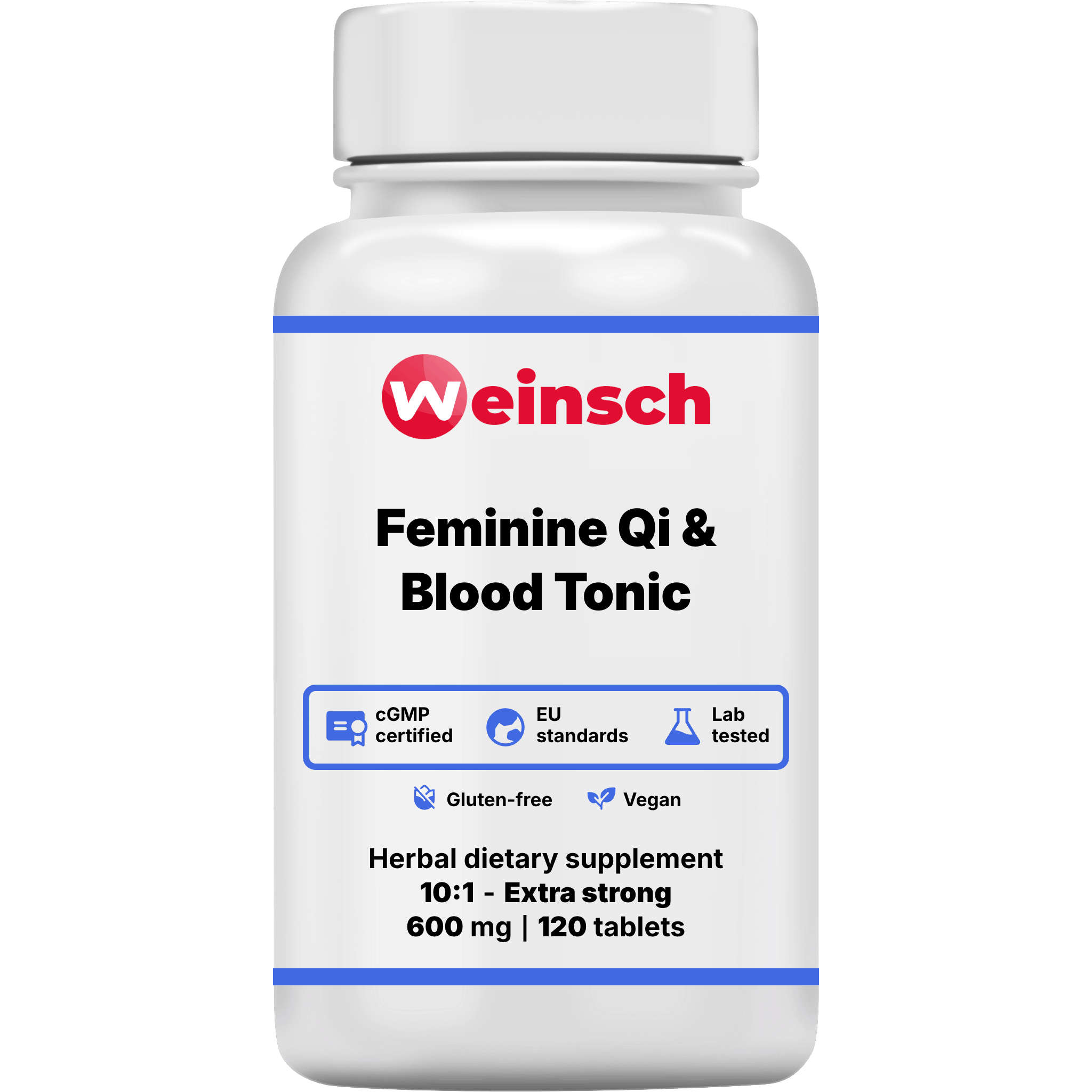
Weinsch.com TCM: Herbal dietary supplements of Traditional Chinese Medicine origine according to European standards!
- Strength 10:1
- 120 tablets per bottle
- Double or Triple the strength as regular brands
- Less fillers and binders
- No pharmaceuticals or dyes
- Thorough lab testing (heavy metals, pesticides etc.)
- Always made in controlled cGMP certified facility
- Unbeatable value
- European brand
This product is a dietary (food) supplement, to be taken as directed by a qualified practitioner. It is not intended to treat, cure, diagnose or prevent any disease. Not to replace a varied diet. Not to be taken if nursing or if pregnant. Not to be consumed continuously for longer than 3 months.
Which extra herbs added to classical patent and why
Dang Shen (Radix Codonopsis) and Huang Qi (Radix Astragali) are traditionally used in TCM to provide stronger Qi tonification in addition to tonifying Blood in Yi Mu Ba Zhen Tang. Dang Shen is often used as a milder variant of Ginseng and stimulates both Spleen-Qi and Lung-Qi.
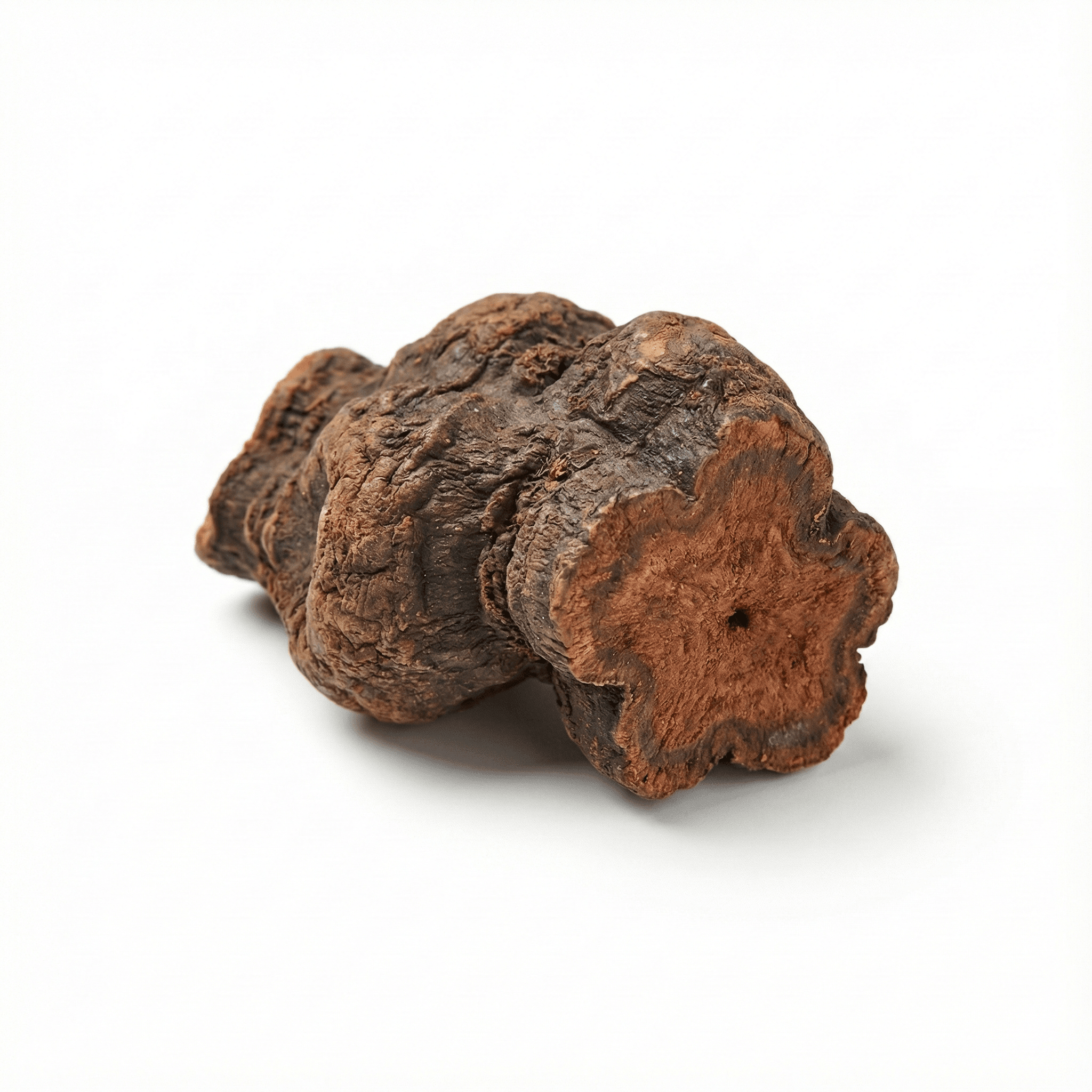
He Shou Wu (Radix Polygoni multiflori, prepared) is traditionally described in TCM as deeply nourishing for the Liver and Kidney, particularly for tonifying Blood and Jing (Essence). This supports the blood-nourishing action of the classic Yi Mu Ba Zhen Tang formula.
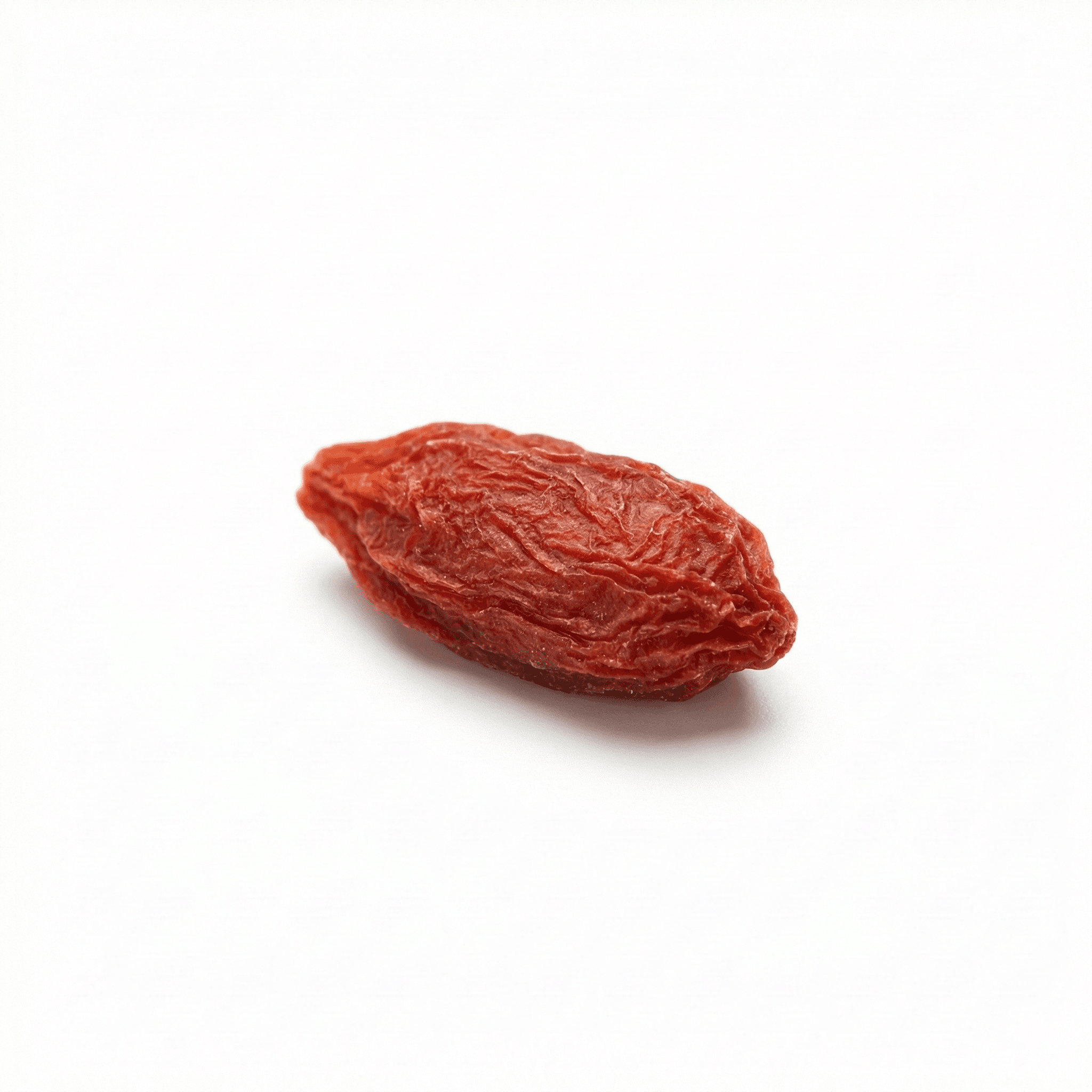
Tu Si Zi (Semen Cuscutae) and Gou Qi Zi (Fructus Lycii) are traditionally used as a pair to tonify both Kidney Yin and Kidney Yang while strengthening Essence (Jing)—crucial for vitality and regeneration in women.
Huang Jing (Rhizoma Polygonati sibirici) is traditionally used in TCM to nourish Lung and Kidney Yin, while simultaneously tonifying Spleen-Qi and strengthening Essence. This herb provides broad, deep nourishment without heaviness.
Bai Zi Ren (Semen Biotae) is traditionally used in TCM to nourish Heart Blood and Yin while calming the Shen (spirit)—supporting the emotional and mental aspects of vitality, especially important for women with Blood deficiency associated with restlessness.
Xiang Fu (Rhizoma Cyperi) is a classic Qi regulator that resolves Liver Qi stagnation. This ensures that all tonifying action circulates smoothly and leaves no constriction, which is important when women have both Qi/Blood deficiency and stagnation.