-
€ 29,50

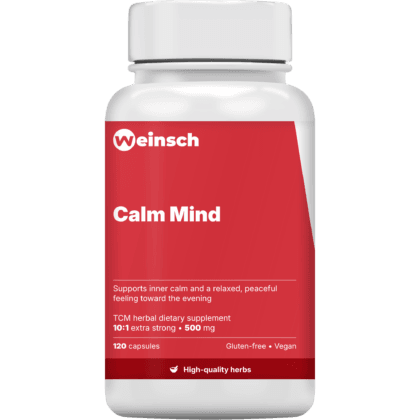
Calm Mind
-
€ 25,50

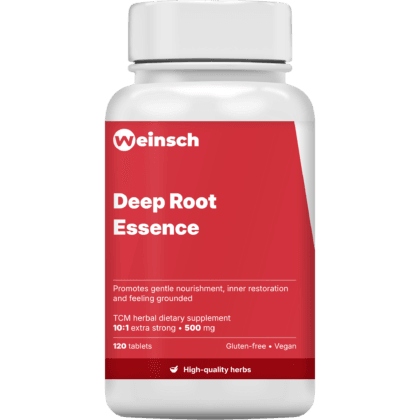
Deep Root Essence
-
€ 27,50

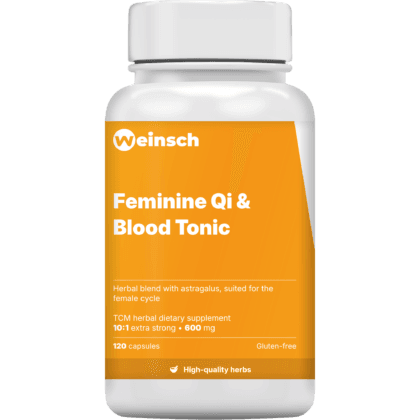
Feminine Qi & Blood Tonic
-
€ 25,50

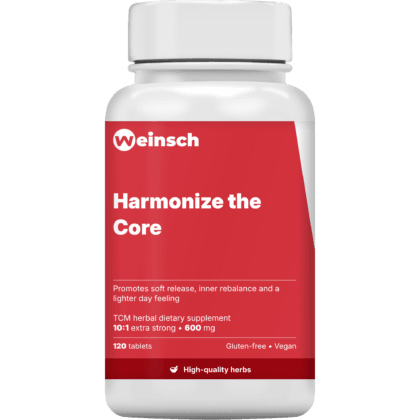
Harmonize the Core
-
€ 29,50

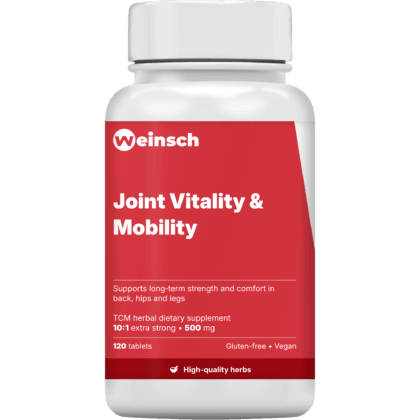
Joint Vitality & Mobility
-
€ 25,50

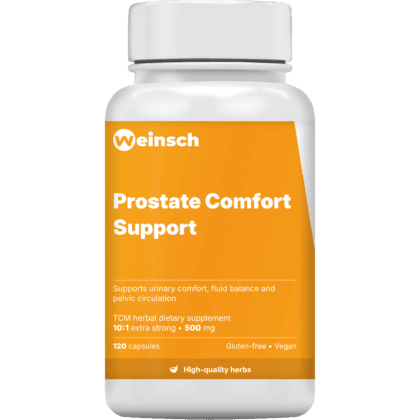
Prostate Comfort Support
-
€ 33,50

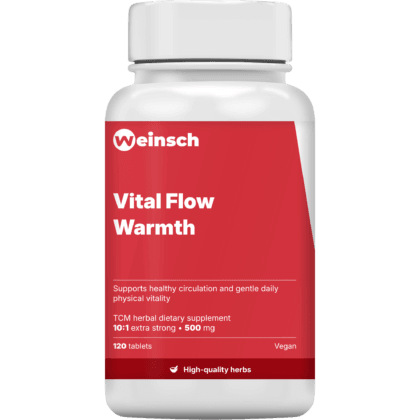
Vital Flow Warmth
Tu Si Zi
Dodder Seed (Tu Si Zi) – The Seed Used in Traditional Systems to Nourish Vitality and Support Vision
Dodder seed (Tu Si Zi) is the traditional Chinese medicine name for the dried, ripe seeds of Cuscuta chinensis (Chinese dodder), a parasitic climbing vine that has been a staple in traditional East Asian herbal systems for over 2000 years. It is regarded as a uniquely balanced botanical with neutral to slightly warm properties, particularly suitable for formulas aimed at replenishing foundational energy, supporting reproductive vitality, and promoting eye comfort.
Traditional Understanding in TCM Systems
Within traditional Chinese medicine, dodder seed (Tu Si Zi) is described as a sweet and pungent seed with a remarkably balanced nature. In the TCM theoretical framework, it acts on the Kidney, Liver, and Spleen meridians. According to this traditional description, dodder seed tonifies both the so-called “Yin” (cooling, nourishing fluids) and “Yang” (warming, active energy) without being overly drying or heavy.
In TCM formulas, dodder seed (Tu Si Zi) is seen as an essential stabilizing herb that helps secure the “Jing” (vital essence). It is traditionally used to strengthen the lower back, support urinary control, nourish the eyes for clear vision, and foster reproductive stamina.
Botanical Composition and Research
Dodder seed (Tu Si Zi) contains a rich spectrum of flavonoids (such as quercetin and kaempferol), lignans, alkaloids, polysaccharides, and essential trace minerals. This phytochemical profile is connected in traditional applications with gentle, long-term support for cellular aging and reproductive vitality.
Modern scientific research shows that dodder seed extracts can offer specific benefits. Studies show that dodder seed (Tu Si Zi) preparations:
-
Possess strong antioxidant activity that helps combat free radicals
-
Can support normal reproductive function and endocrine balance
-
Help promote normal bone density and osteoblast activity
-
Can offer neuroprotective effects that support cognitive aging
-
Work supportively on a normal, healthy immune response
-
Are used in traditional formulas with enhanced effects on vision and eye health
Scientists particularly investigate how the flavonoids and polysaccharides of this seed can contribute to normal cellular protection and reproductive harmony.
Traditional Applications – TCM Context
In traditional TCM formulas, dodder seed (Tu Si Zi) is classically used in situations described as:
-
Soreness, weakness, or aching in the lower back and knees
-
Frequent urination or difficulty maintaining bladder control
-
Diminished reproductive vitality or stamina
-
Blurred vision, dry eyes, or seeing spots
-
Ringing in the ears (tinnitus) or mild dizziness
-
Loose stools or sluggish digestion due to core weakness
These are traditionalist descriptions that form part of the TCM thinking system and must not be equated with medical diagnoses in the sense of European medicinal product law.
Well-being and Daily Use
Dodder seed (Tu Si Zi) is valued by modern users as part of a conscious wellness routine aimed at long-term vitality, reproductive support, and visual comfort, especially for individuals experiencing signs of foundational aging or overwork. Because of its remarkably gentle and balanced nature, the herb works optimally in daily herbal mixtures, combined with a nutrient-dense diet, adequate hydration, and balanced rest.
Many users see dodder seed (Tu Si Zi) as part of a steady approach to core energy preservation – as a supportive element in traditional routines, alongside professional guidance and regular medical care when needed.