Main benefits
Pattern Identification: Traditionally used for the TCM pattern of Lung, Spleen, and Kidney Qi deficiency combined with external Wind-Cold or Wind-Heat and internal Dampness. This is frequently seen in individuals prone to seasonal sensitivities, characterized by chronic sneezing, clear or white nasal discharge, nasal congestion, itchy eyes/nose, and underlying fatigue or weak immunity.
Core Function: The formula is classically said to tonify the Qi, consolidate the exterior (Wei Qi), dispel Wind, open the nasal orifices, and transform Damp-Phlegm. This dual-action approach aims to relieve immediate respiratory discomfort while building long-term resilience against environmental triggers.
Root and Branch Relationship: Based on the TCM principle of treating both the "root" (the underlying immune/Qi deficiency) and the "branch" (the acute nasal and respiratory symptoms), the formula uses tonics to build defense and dispersing herbs to clear the immediate blockages, preventing the cycle of recurrent sensitivities.
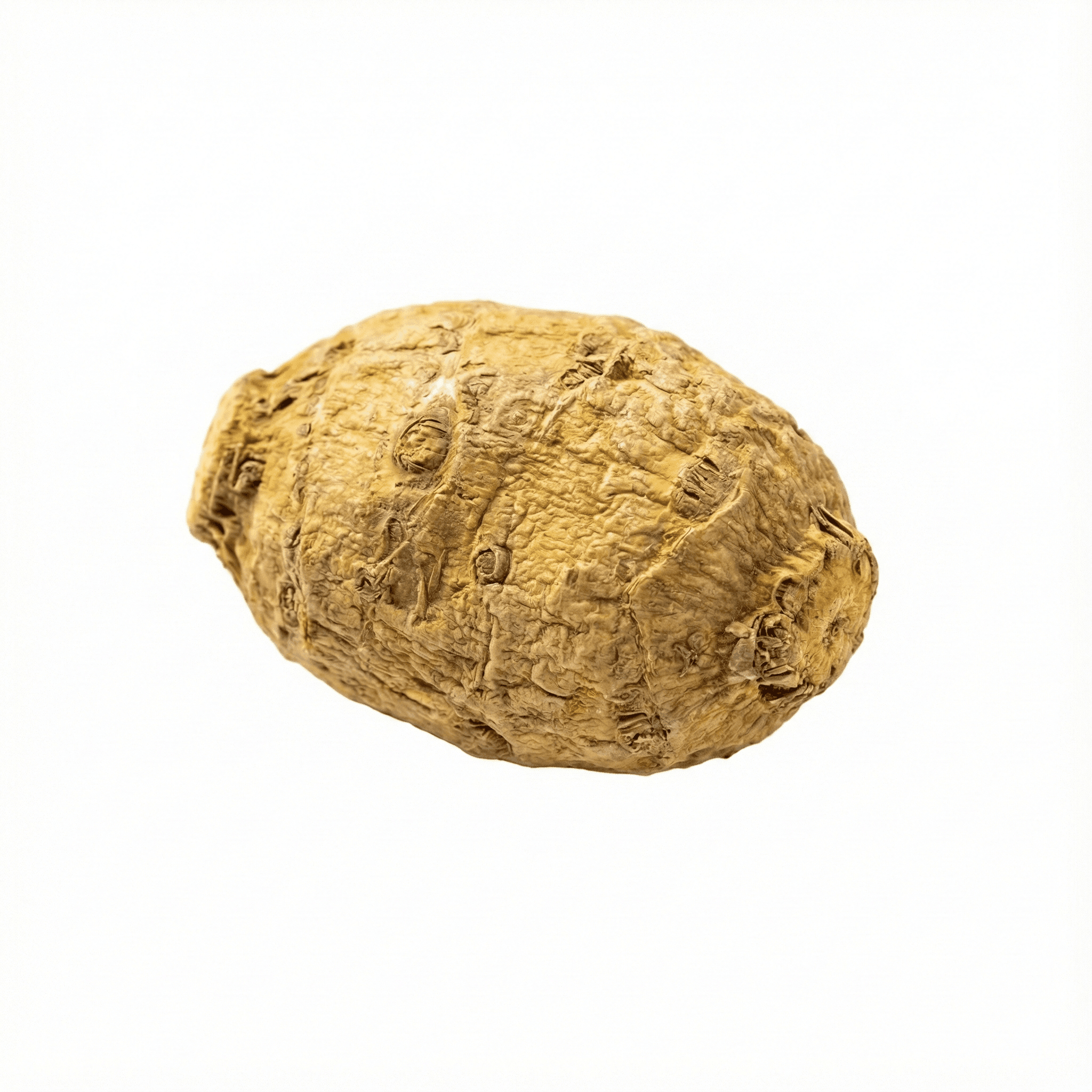
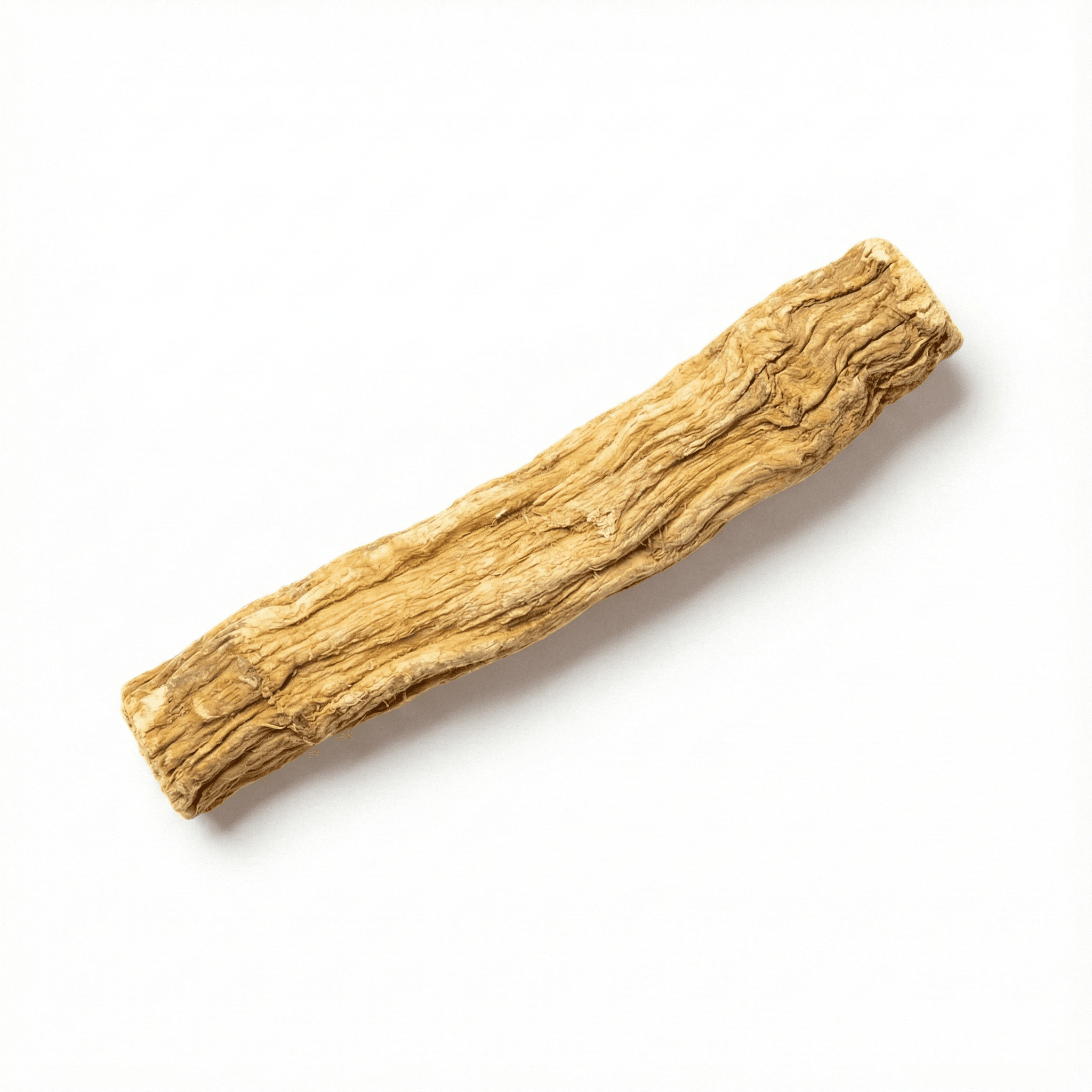
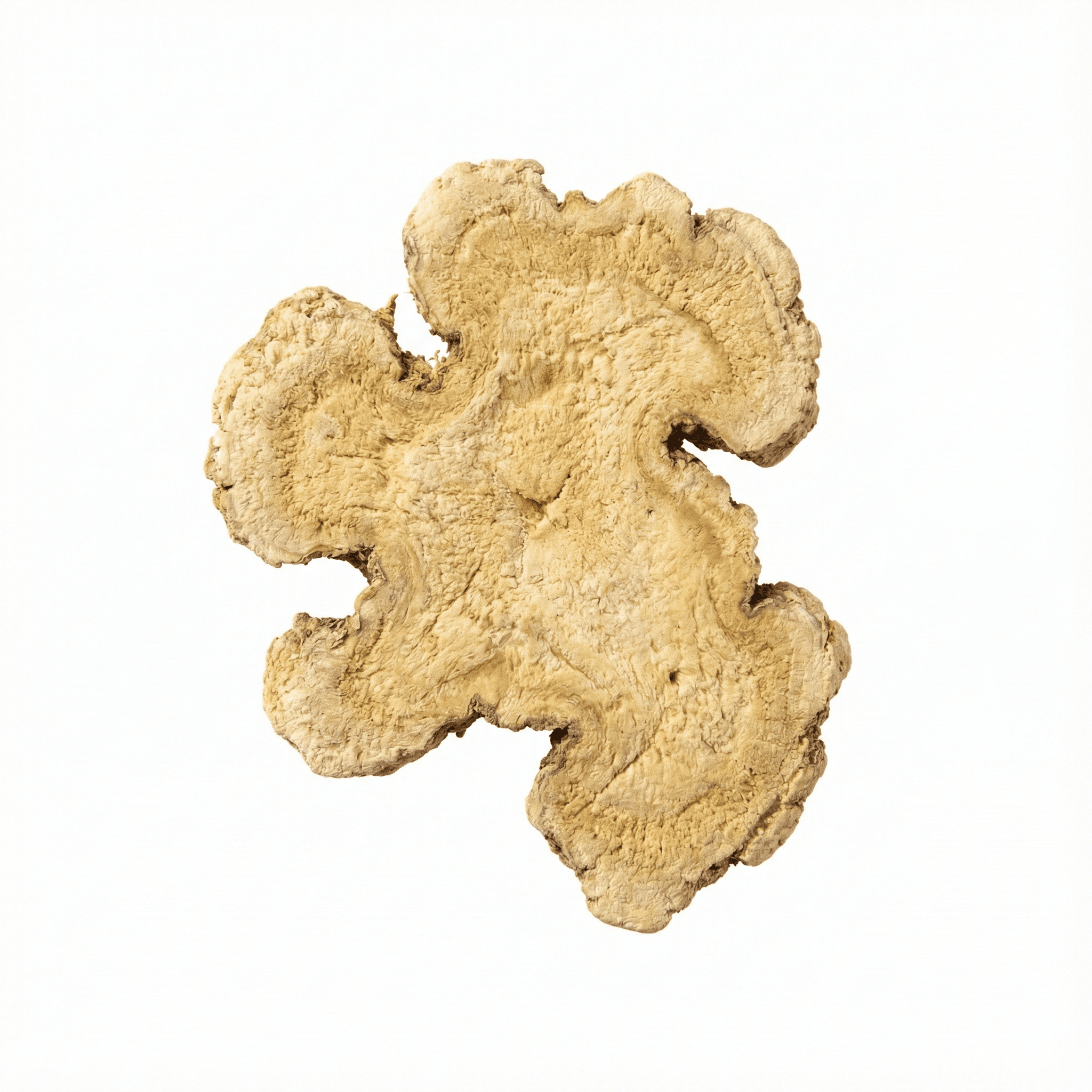
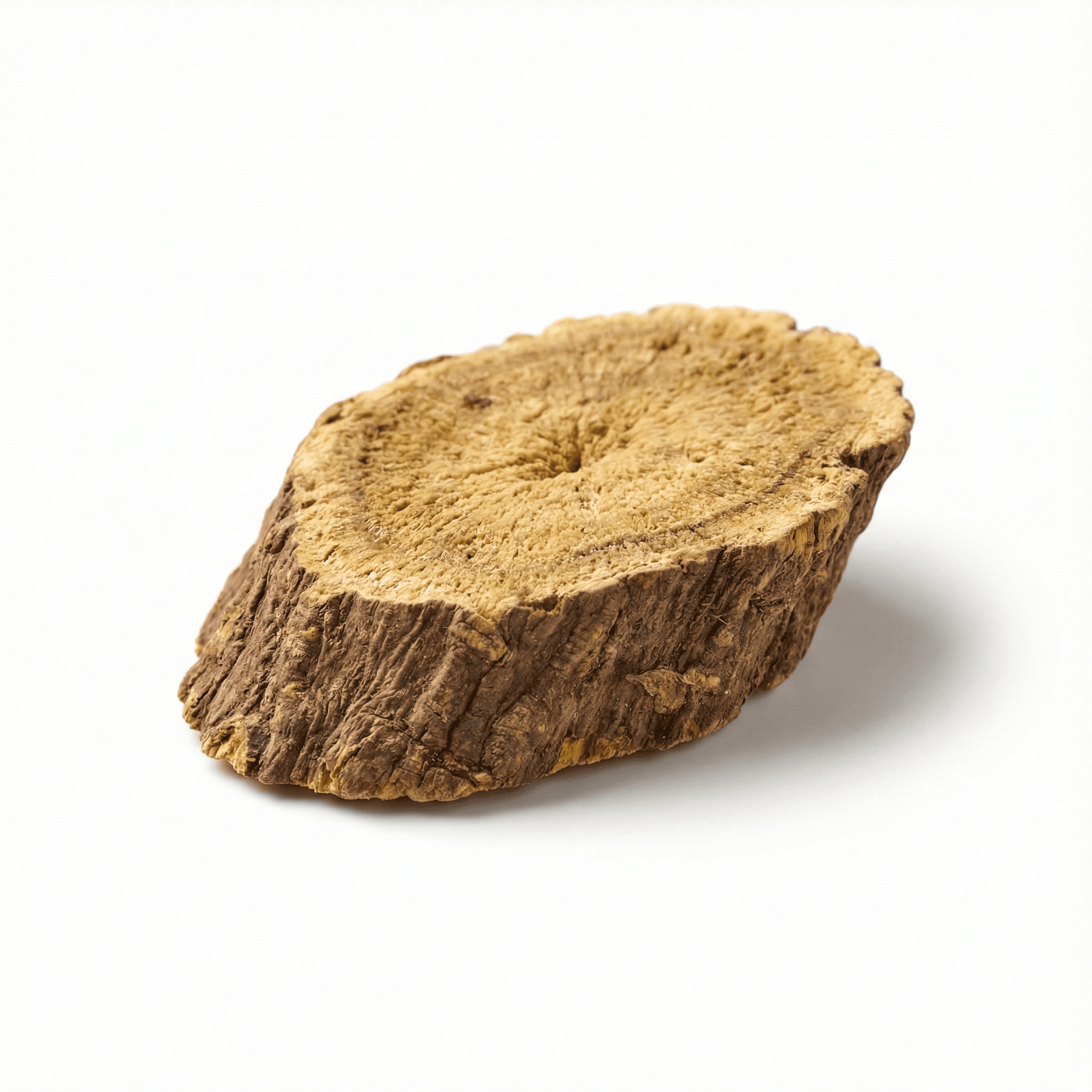
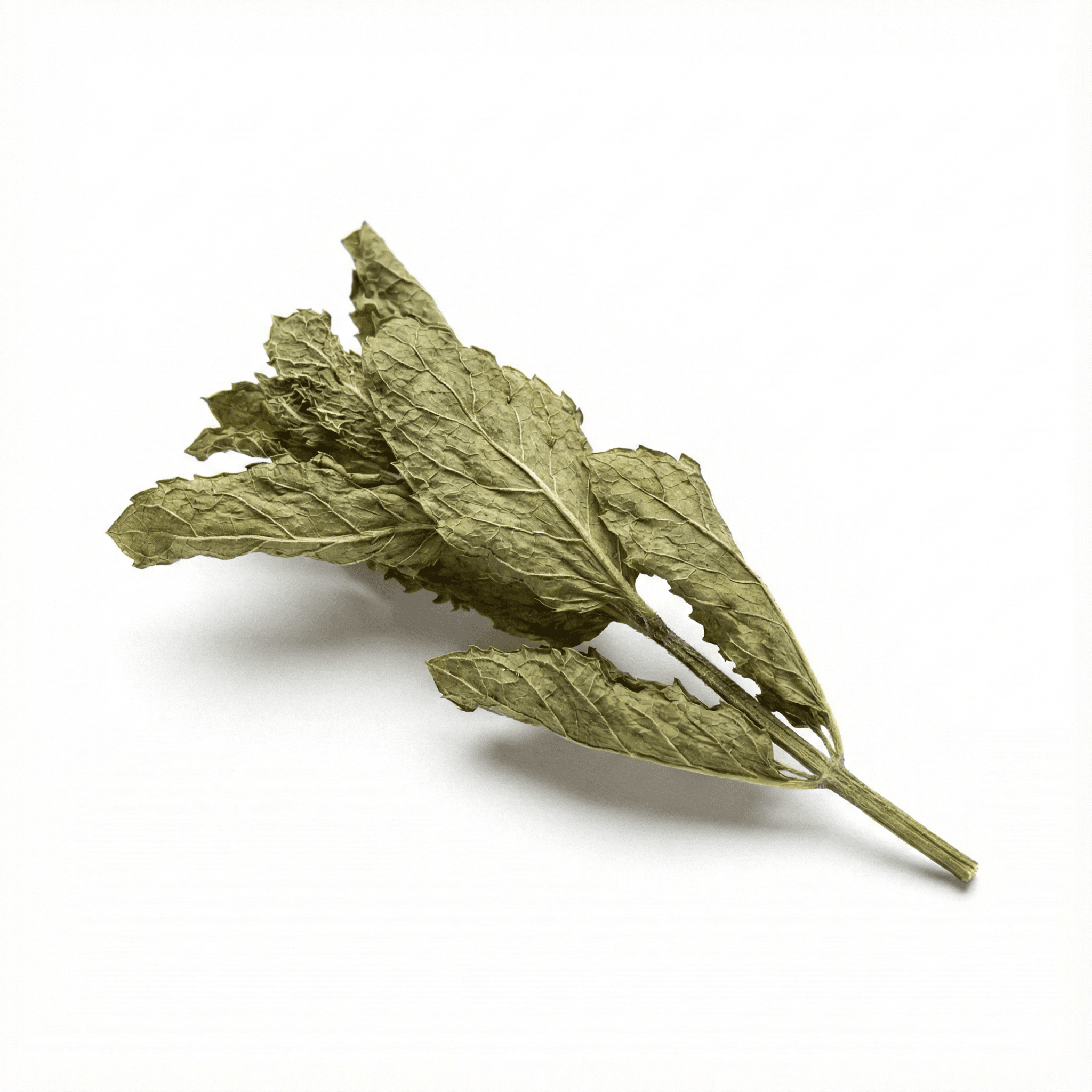
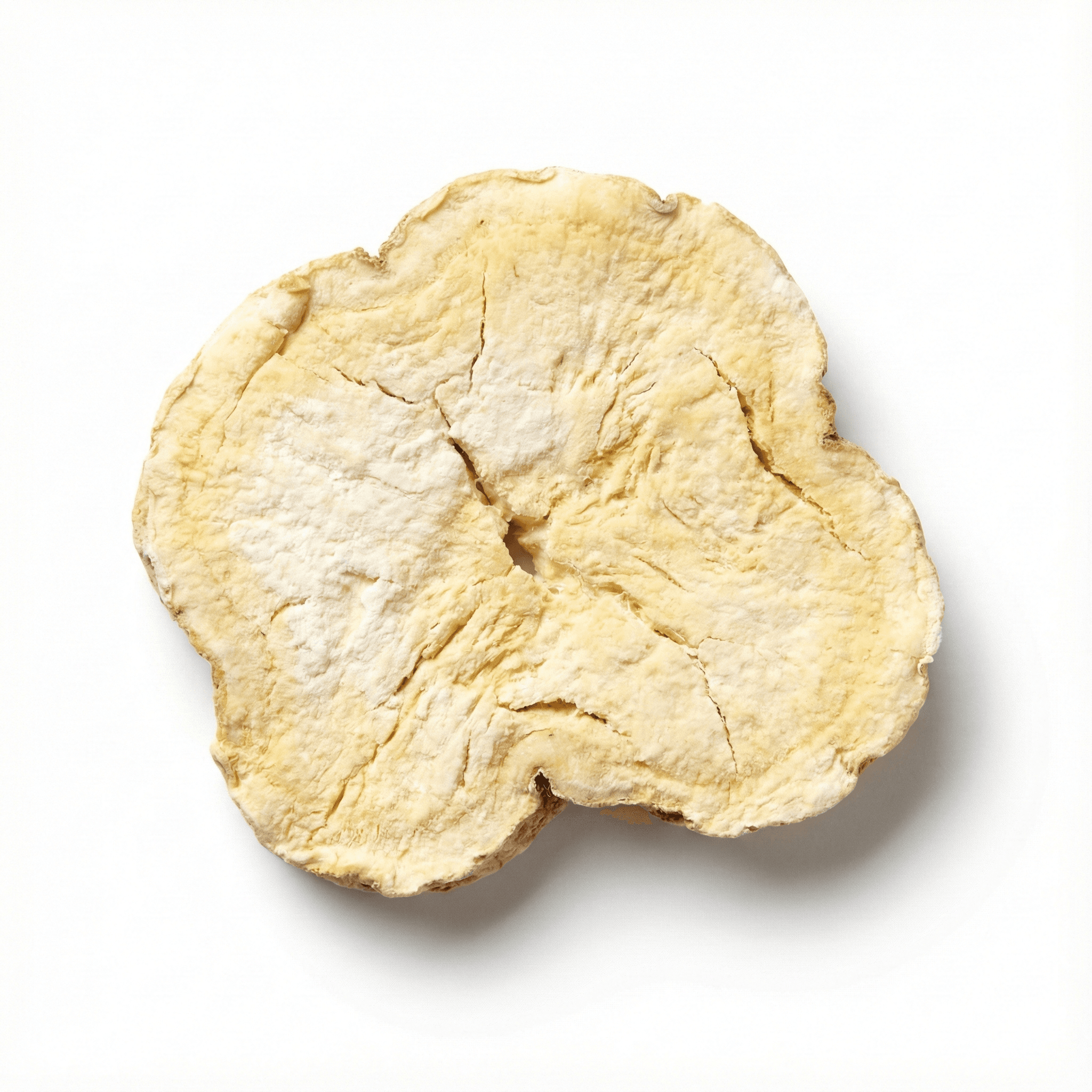
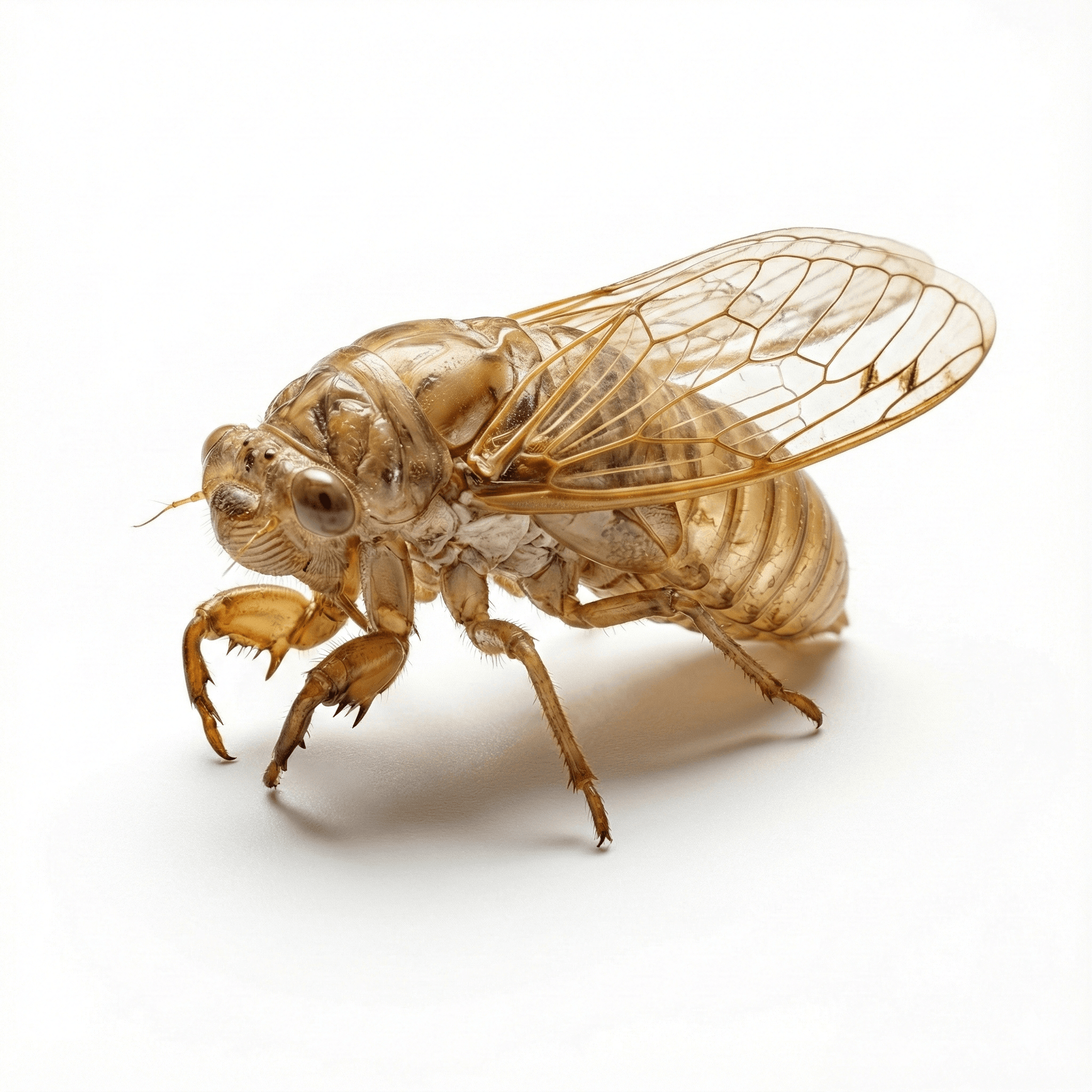
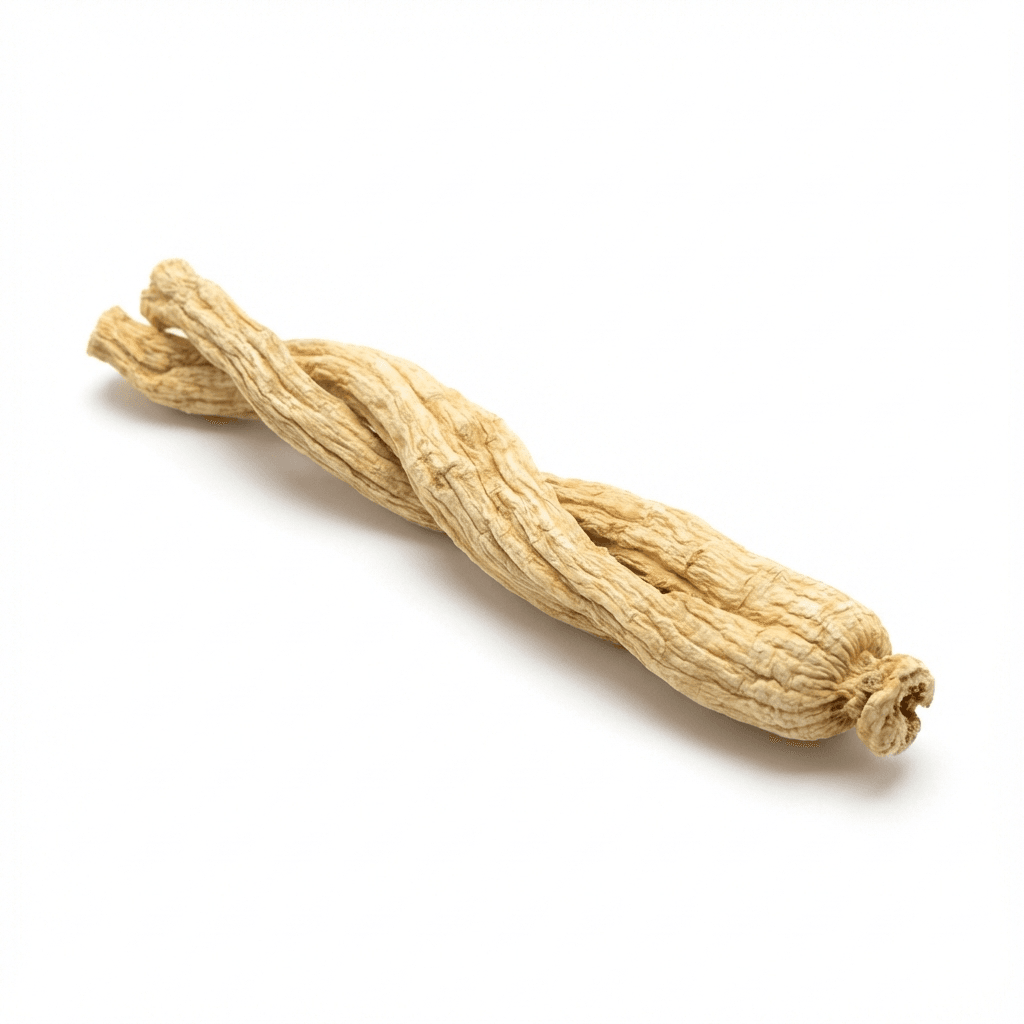
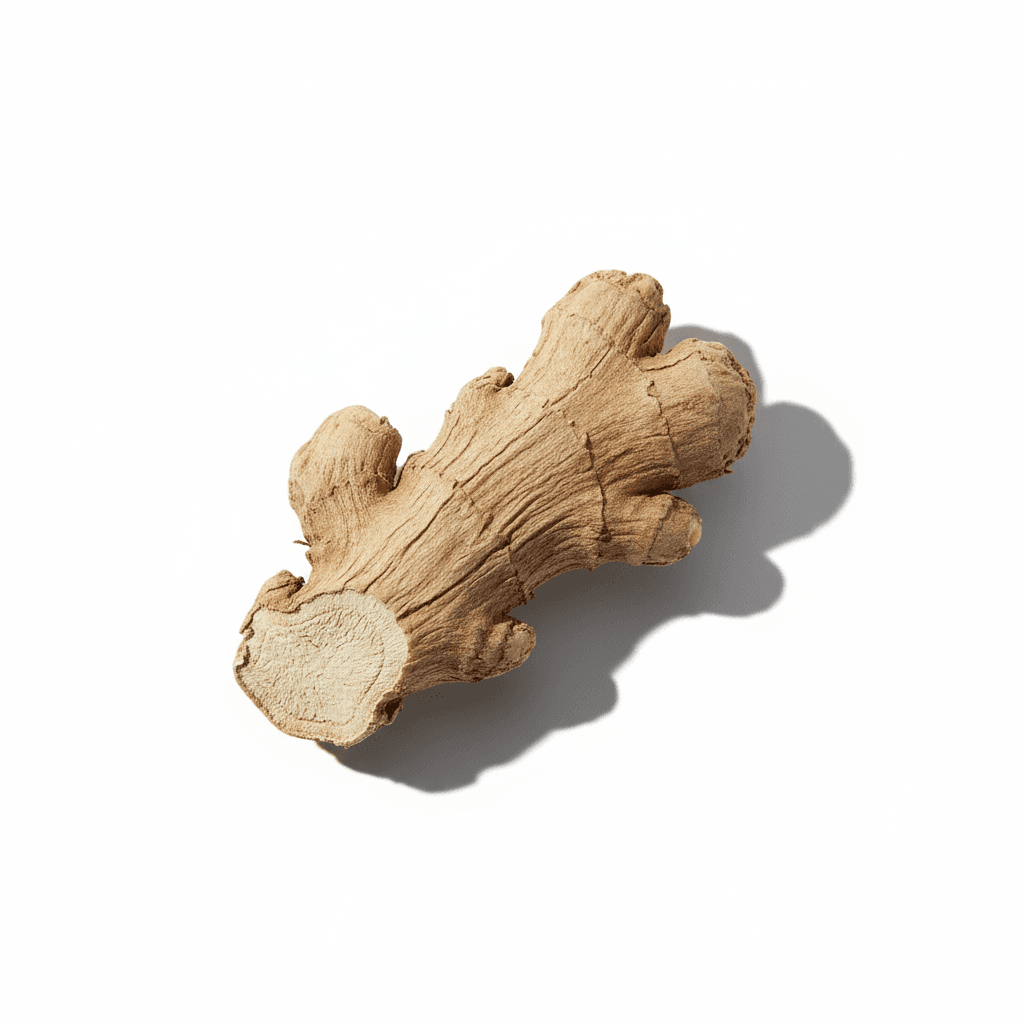
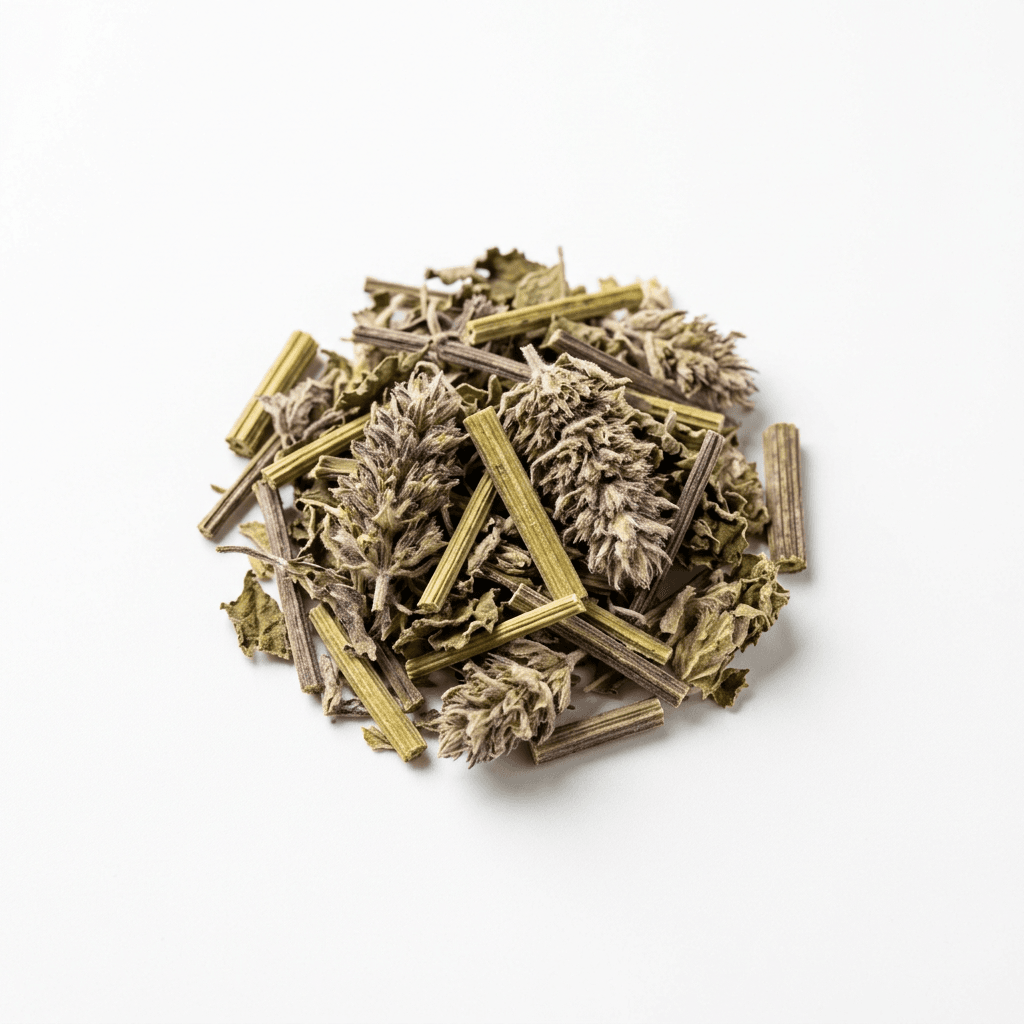
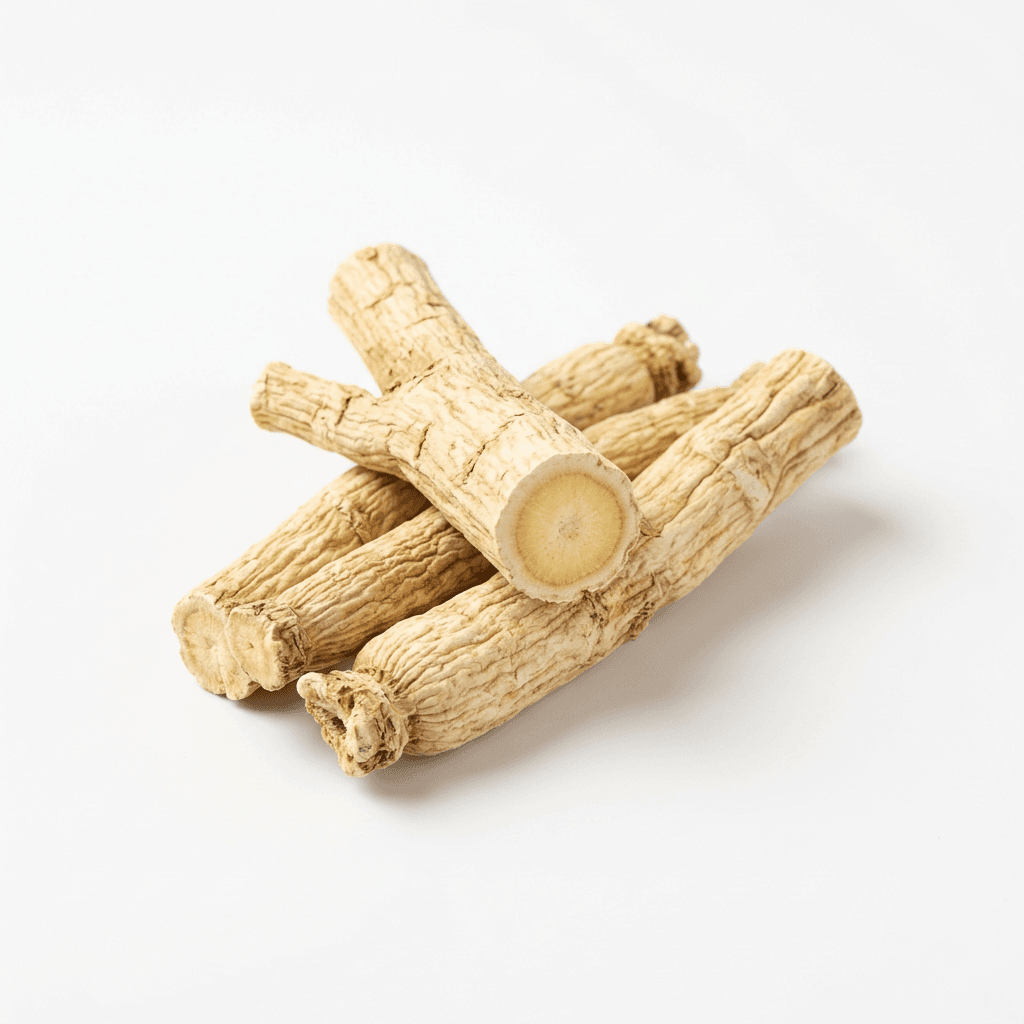
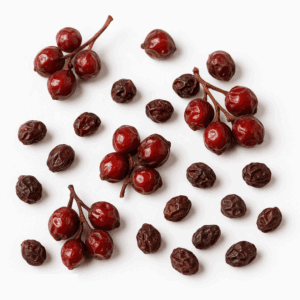
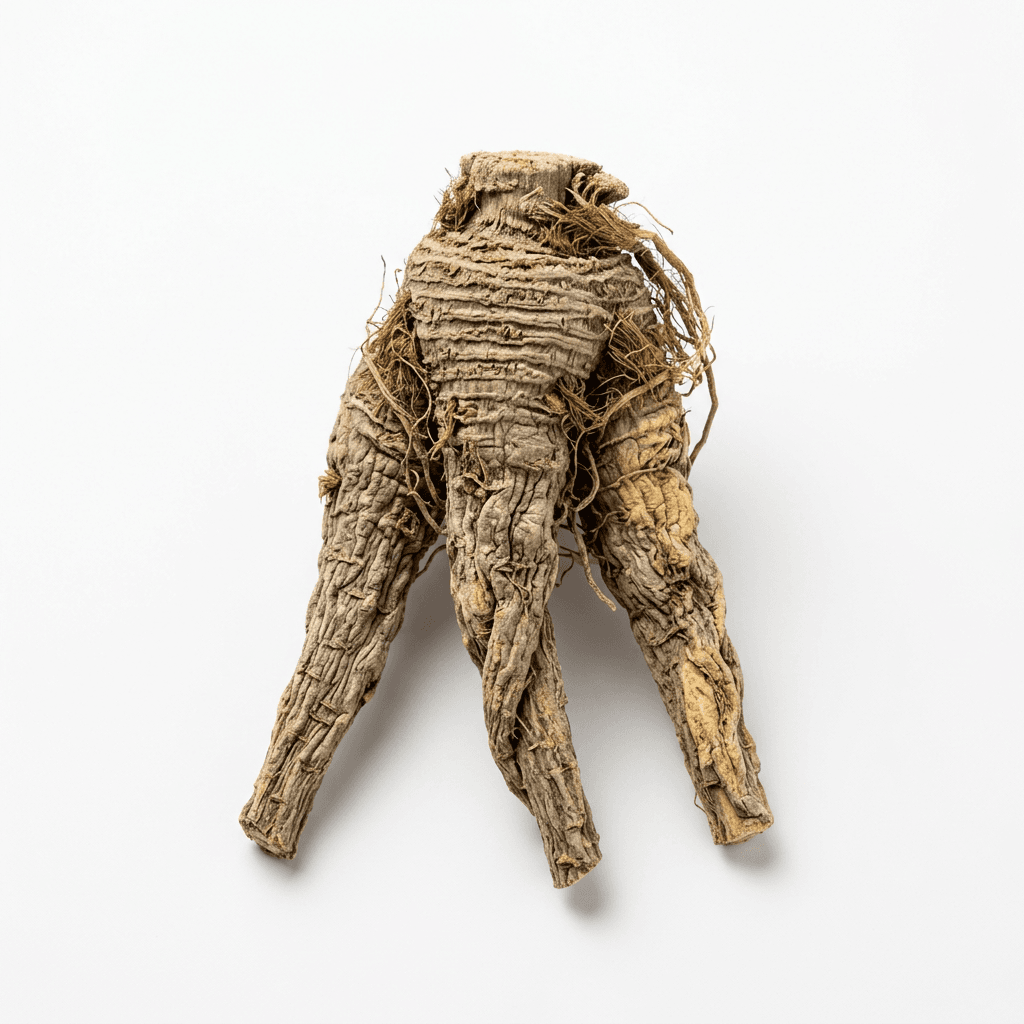
Key Ingredients: Huang Qi (Astragalus), Dang Shen (Codonopsis), and Bai Zhu (Atractylodes) form a powerful base to strengthen Spleen and Lung Qi; Xin Yi Hua (Magnolia flower), Bo He (Mint), and Fang Feng (Siler) dispel Wind and open the nasal passages; Chan Tui (Cicada slough) relieves itching; Ze Xie (Water plantain) and Yi Yi Ren (Job's tears) drain Dampness to reduce mucosal swelling; Wu Wei Zi (Schisandra) and He Zi (Terminalia) astringe the lungs to stop excessive clear discharge.
Emotional & Systemic Component (TCM): Often used when physical symptoms like persistent nasal congestion and post-nasal drip lead to chronic fatigue, brain fog, heavy-headedness, and lethargy, reflecting a pattern where the Spleen fails to transform fluids, leading to dampness that clouds the head and exhausts the body.
Region of Action: Especially associated with the Lung system (which governs the nose, skin, and Wei Qi) and the Spleen/Kidney systems (which provide the foundational energy and fluid metabolism). The herbs heavily target the upper respiratory tract, sinuses, and head.
Classical Heritage: Bi Qiu Tang is a highly regarded modern TCM clinical formula designed specifically for "Bi Qiu" (allergic rhinitis). It effectively combines the logic of ancient defensive formulas (like Yu Ping Feng San) with orifice-opening and fluid-astringing strategies tailored to contemporary seasonal and environmental allergies.
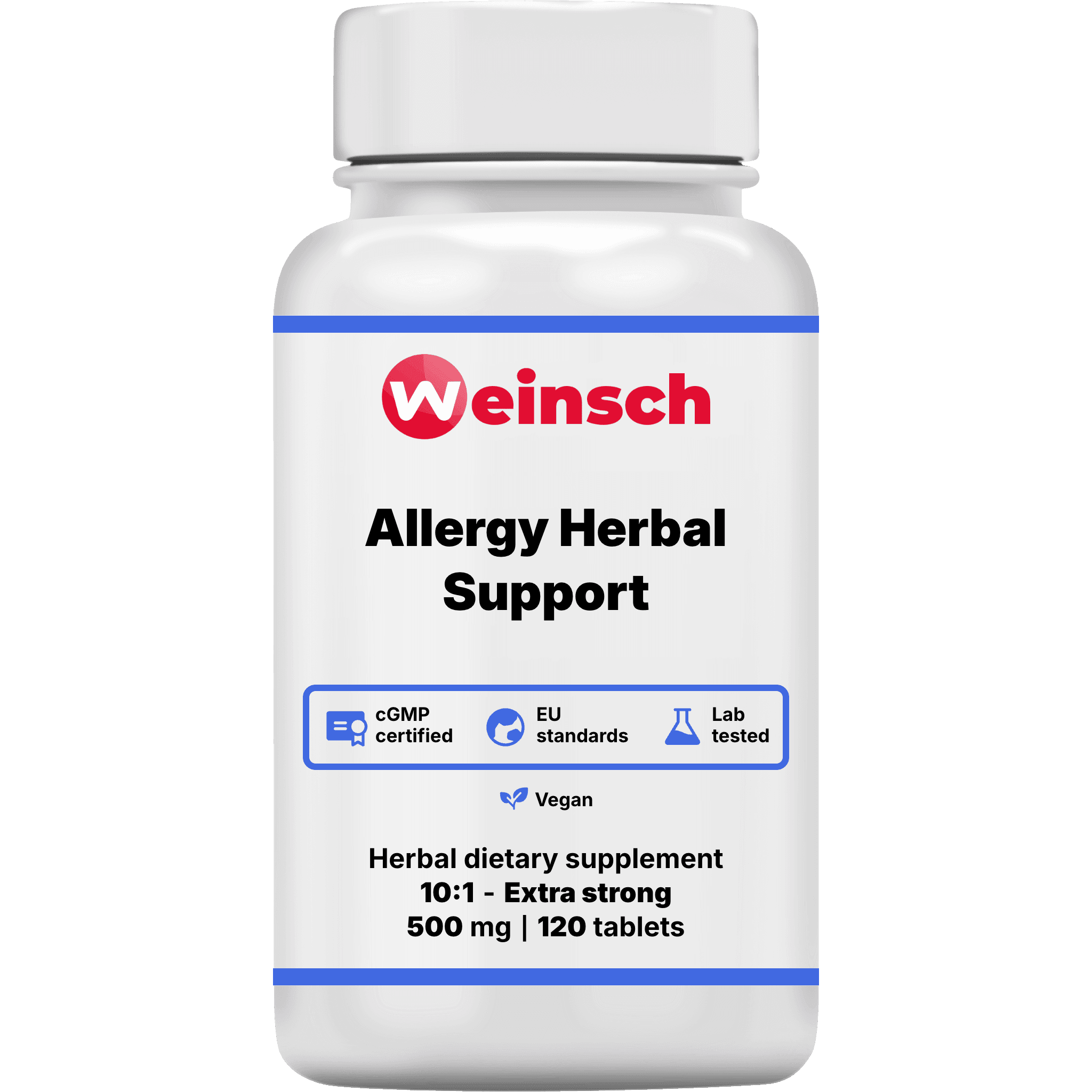
Weinsch.com TCM: Herbal dietary supplements of Traditional Chinese Medicine origine according to European standards!
- Strength 10:1
- 120 tablets per bottle
- Double or Triple the strength as regular brands
- Less fillers and binders
- No pharmaceuticals or dyes
- Thorough lab testing (heavy metals, pesticides etc.)
- Always made in controlled cGMP certified facility
- Unbeatable value
- European brand
This product is a dietary (food) supplement, to be taken as directed by a qualified practitioner. It is not intended to treat, cure, diagnose or prevent any disease. Not to replace a varied diet. Not to be taken if nursing or if pregnant. Not to be consumed continuously for longer than 3 months.
Which extra herbs added to classical patent and why
Dang Shen (Radix Codonopsis) and Bai Zhu (Rhizoma Atractylodis Macrocephalae) are traditionally used in TCM alongside Astragalus to form a powerful Qi‑tonifying base that strengthens the Spleen and Lungs. By fortifying these systems, they help consolidate the Wei Qi (defensive energy), addressing the underlying deficiency that makes one susceptible to environmental sensitivities.
Xin Yi Hua (Flos Magnoliae), Bo He (Herba Menthae), Fang Feng (Radix Saposhnikoviae), and Jing Jie (Herba Schizonepetae) are traditionally described in TCM as key herbs to "dispel Wind" and "open the orifices." This combination is used to rapidly clear the nasal passages, relieve congestion, and soothe itching in the nose and eyes caused by external environmental factors.
Ze Xie (Rhizoma Alismatis) and Yi Yi Ren (Semen Coicis) are traditionally used in TCM to drain Dampness and leach out excess fluids. In this formula, they help reduce mucosal swelling and manage the overproduction of watery mucus (post‑nasal drip and clear runny nose) by supporting fluid metabolism.
Wu Wei Zi (Fructus Schisandrae) and He Zi (Fructus Terminaliae) are highly astringent botanicals traditionally used in TCM to "bind" the Lung Qi. They are added to the formula to help stop chronic fluid leakage—such as persistent clear nasal discharge and watery eyes—while anchoring the body’s energy.
Chan Tui (Periostracum Cicadae) is traditionally used in TCM to vent Wind and soothe the throat and skin, specifically targeting the allergic sensations of itching in the nose, eyes, and throat.