-
€ 27,50

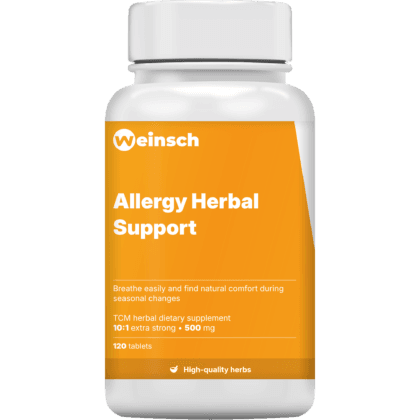
Allergy Herbal Support
-
€ 25,50

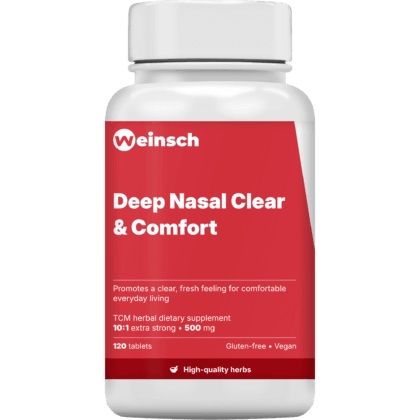
Deep Nasal Clear & Comfort
-
€ 25,50
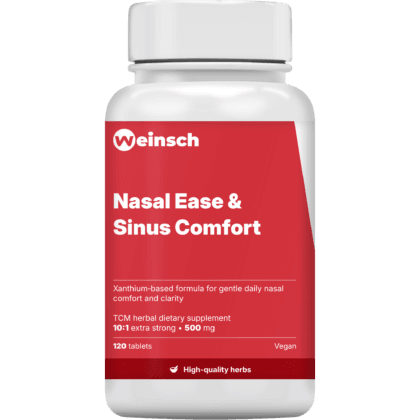
Nasal Ease & Sinus Comfort
-
€ 27,50

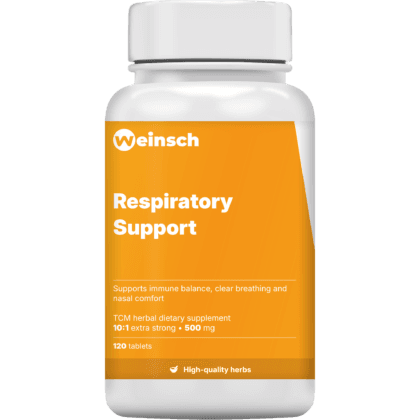
Respiratory Support
Xin Yi (Hua)
Magnolia Flower (Xin Yi Hua) – The Botanical Used in Traditional Systems to Support Clear Breathing and Sinus Comfort
Magnolia flower (Xin Yi Hua) is the traditional Chinese medicine name for the dried, unblown flower buds of Magnolia biondii, Magnolia denudata, or Magnolia sprengeri, a fragrant botanical that has been a staple in East Asian herbal systems for centuries. It is regarded as an herb with warming and opening properties, particularly suitable for formulas aimed at respiratory comfort, clear nasal passages, and the relief of sinus tension.
Traditional Understanding in TCM Systems
Within traditional Chinese medicine, magnolia flower (Xin Yi Hua) is described as a pungent, warm, and highly aromatic substance. In the TCM theoretical framework, it acts primarily on the Lung and Stomach meridians. According to this traditional description, magnolia flower (Xin Yi Hua) disperses “Wind-Cold” and uniquely directs its action upward to open the nasal orifices. When cold or external wind obstructs the head and respiratory pathways, discomforts like nasal congestion or facial pressure can arise. Magnolia flower (Xin Yi Hua) helps perform a targeted “unblocking and dispersing” effect.
In TCM formulas, magnolia flower (Xin Yi Hua) is seen as a botanical that helps support normal respiratory function and clear the sensory organs. It is traditionally used to alleviate a stuffy or runny nose, relieve tension headaches linked to sinus pressure, and foster general physical comfort by keeping the upper respiratory tract open and clear.
Botanical Composition and Research
Magnolia flower (Xin Yi Hua) contains a rich profile of volatile essential oils (notably cineole, pinene, and eugenol), lignans (such as magnolin), and flavonoids. This phytochemical profile is connected in traditional applications with the opening of respiratory pathways and the promotion of natural immune vitality.
Modern scientific research shows that magnolia flower extracts can offer specific benefits. Studies show that magnolia flower (Xin Yi Hua) preparations:
-
Possess strong antioxidant properties and combat free radicals
-
Can have anti-inflammatory actions, particularly for the respiratory tract
-
Can support normal nasal airflow and clear breathing
-
Can work supportively on the body’s natural response to seasonal allergens
-
Can possess mild antimicrobial properties against common surface pathogens
-
Contain lignans that may protect delicate mucous membranes
-
Are used in traditional formulas with enhanced effects on sinus comfort
Scientists particularly investigate how the volatile oils and magnolin components of the magnolia bud can contribute to normal histamine regulation and normal tissue repair in the nasal passages.
Traditional Applications – TCM Context
In traditional TCM formulas, magnolia flower (Xin Yi Hua) is classically used in situations described as:
-
Nasal congestion or an inability to breathe freely through the nose
-
Loss of the sense of smell due to respiratory obstruction
-
Runny nose with clear or thick discharge
-
Facial pressure or tension headaches focused around the sinuses
-
Discomfort from exposure to cold and drafty environments
-
A general feeling of blocked energy in the head and respiratory tract
These are traditionalist descriptions that form part of the TCM thinking system and must not be equated with medical diagnoses in the sense of European medicinal product law.
Well-being and Daily Use
Magnolia flower (Xin Yi Hua) is valued by modern users as part of a conscious wellness routine aimed at respiratory health and sensory comfort, especially during seasonal transitions or when facing environmental irritants. The herb works optimally in balanced herbal mixtures or as an aromatic inhalation, combined with adequate hydration, a clean indoor environment, and protection from sudden temperature changes.
Many users see magnolia flower (Xin Yi Hua) as part of a holistic approach to clear breathing and seasonal vitality – as a supportive element in traditional routines, alongside professional guidance and regular medical care when needed.