-
€ 27,50

Allergy Herbal Support
-
€ 25,50

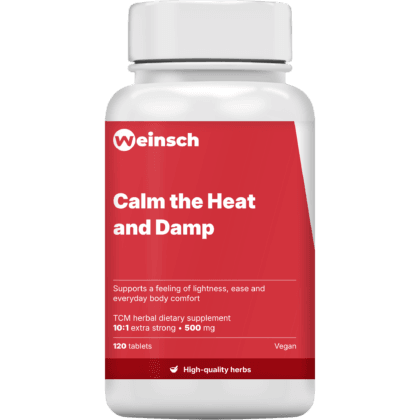
Calm the Heat and Damp
-
€ 27,50

Clear Skin Detox Balance
-
€ 25,50
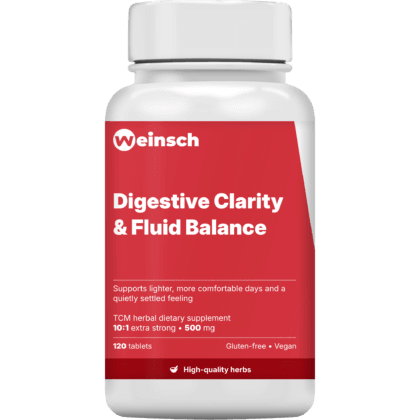
Digestive Clarity & Fluid Balance
-
€ 25,50
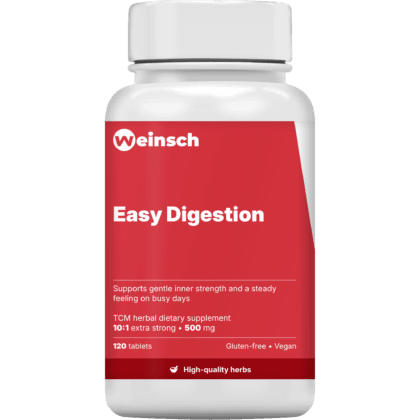
Easy Digestion
-
€ 27,50
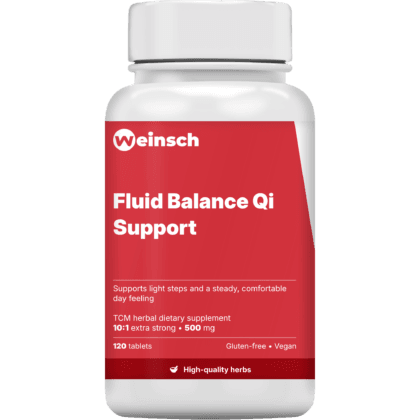
Fluid Balance Qi Support
-
€ 25,50
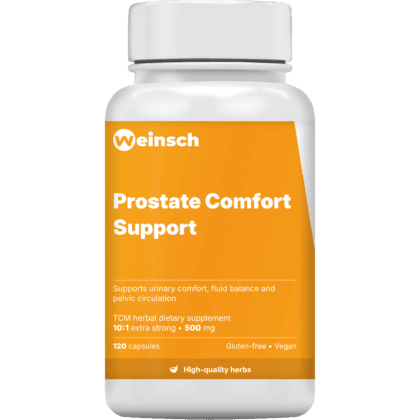
Prostate Comfort Support
Yi Yi Ren
Job’s Tears Seed (Yi Yi Ren) – The Botanical Used in Traditional Systems to Drain Dampness and Support Joints
Job’s tears seed (Yi Yi Ren) is the traditional Chinese medicine name for the dried ripe seed of Coix lacryma-jobi, a nutritious botanical that has served as both a medicinal herb and a culinary staple in East Asian systems for centuries. It is regarded as an herb with cooling and draining properties, particularly suitable for formulas aimed at fluid balance, joint comfort, and digestive support.
Traditional Understanding in TCM Systems
Within traditional Chinese medicine, Job’s tears seed (Yi Yi Ren) is described as a mild, sweet, and slightly cold substance. In the TCM theoretical framework, it acts primarily on the Spleen, Stomach, and Lung meridians. According to this traditional description, Job’s tears seed (Yi Yi Ren) leaches out “Dampness,” clears “Heat,” and strengthens the Spleen’s digestive capacity. When sluggish digestion or humid environmental conditions cause water to accumulate in the tissues, discomforts like a heavy physical sensation, swollen joints, or loose stools can arise. Job’s tears seed (Yi Yi Ren) helps perform a gentle “draining and cooling” effect.
In TCM formulas, Job’s tears seed (Yi Yi Ren) is seen as a botanical that helps promote normal fluid metabolism and clear physical stagnation. It is traditionally used to alleviate water retention, soothe stiff and aching joints, and foster general physical lightness by removing excess internal dampness.
Botanical Composition and Research
Job’s tears seed (Yi Yi Ren) contains a rich profile of bioactive compounds, primarily polysaccharides, essential fatty acids (such as linoleic and oleic acid), plant proteins, and specific compounds like coixenolide and coixol. This phytochemical profile is connected in traditional applications with the physical regulation of bodily fluids and the promotion of skin vitality.
Modern scientific research shows that Coix seed extracts can offer specific benefits. Studies show that Job’s tears seed (Yi Yi Ren) preparations:
-
Possess strong antioxidant properties and combat cellular oxidative stress.
-
Can support normal fluid balance through a mild diuretic effect.
-
Can have anti-inflammatory actions specifically beneficial for joint and muscle recovery.
-
Can promote healthy cellular turnover and skin clarity.
-
Can work supportively on a healthy immune system response.
-
Contain coixol, which may help relax smooth muscles and ease physical tension.
-
Are used in traditional formulas with enhanced effects on metabolic flow.
Scientists particularly investigate how the lipid and polysaccharide components of the seed can contribute to normal inflammatory responses and the body’s natural resilience against joint swelling.
Traditional Applications – TCM Context
In traditional TCM formulas, Job’s tears seed (Yi Yi Ren) is classically used in situations described as:
-
Heavy, stiff, or aching joints that feel worse in humid or damp weather.
-
Localized puffiness, water retention, or a sensation of physical heaviness.
-
Sluggish digestion accompanied by loose stools or a lack of appetite.
-
Skin blemishes, rough texture, or minor topical eruptions.
-
Mild respiratory challenges featuring thick, sticky phlegm.
-
A general lethargic feeling linked to internal dampness and heat.
These are traditionalist descriptions that form part of the TCM thinking system and must not be equated with medical diagnoses in the sense of European medicinal product law.
Well-being and Daily Use
Job’s tears seed (Yi Yi Ren) is valued by modern users as part of a conscious wellness routine aimed at fluid balance and skin health, especially during humid summer months or when experiencing periodic water retention. Because it is highly nutritious and gentle, the herb works optimally when cooked into everyday foods like soups or congee, combined with adequate hydration and regular physical movement to keep the body’s circulation active.
Many users see Job’s tears seed (Yi Yi Ren) as part of a holistic approach to physical lightness and metabolic flow – as a supportive element in traditional routines, alongside professional guidance and regular medical care when needed.