
Main benefits

  • Pattern Identification: Traditionally used in TCM for patterns of Heat and Phlegm obstructing the throat and larynx within the Lung and Stomach channels, manifesting as sore or swollen throat, hoarseness or loss of voice, sticky phlegm in the throat, and a sensation of heat or burning in the pharynx.

  • Core Function: The formula is described as clearing Heat from the throat, transforming Phlegm, relieving swelling and pain, and restoring the free flow of Qi in the laryngeal region.

  • Qi, Heat and Phlegm Relationship: In TCM theory, constrained Qi in the Lung and Stomach can generate Heat, which cooks body fluids into Phlegm; this Phlegm‑Heat then lodges in the throat and voice passage, leading to hoarseness and discomfort; the formula aims to clear Heat, disperse constraint, and transform Phlegm simultaneously rather than treating only one aspect.

  • Key Ingredients: Classically built from herbs that clear Lung and Stomach Heat, resolve Phlegm, and soothe the throat (for example combinations of cool, bitter Heat‑clearing medicinals with moistening or throat‑benefiting herbs); specific ingredient sets and dosages can differ among modern product versions labeled “Qing Yan Li Ge Tang.”

  • Emotional Component (TCM): Often considered when throat discomfort and voice strain are worsened by stress, excessive speech, or emotional frustration, reflecting the connection between constrained Liver/Lung Qi and the development of local Phlegm‑Heat in the throat region.

  • Region of Action: Acts mainly on the throat, larynx, and upper Lung/Stomach channel pathway, focusing on the area around the vocal cords and pharynx where Phlegm‑Heat and constrained Qi accumulate according to TCM.

  • Classical Heritage: Referenced in later TCM clinical collections as a “throat‑clearing and diaphragm‑unblocking” prescription used for hoarseness, sore throat, and phlegm‑heat obstruction of the upper passage; naming and exact composition can vary slightly between lineages and manufacturers.

    Note: This product is a food supplement containing botanicals. References to “Lung,” “Stomach,” “Heat,” “Phlegm,” and “Qi” relate only to Traditional Chinese Medicine concepts and meridian systems, not to Western anatomical organs or diagnoses (such as laryngitis, reflux disease, or vocal cord nodules). This supplement is not intended to diagnose, treat, cure, or prevent any disease.


Weinsch.com TCM: Herbal dietary supplements of Traditional Chinese Medicine origine according to European standards!

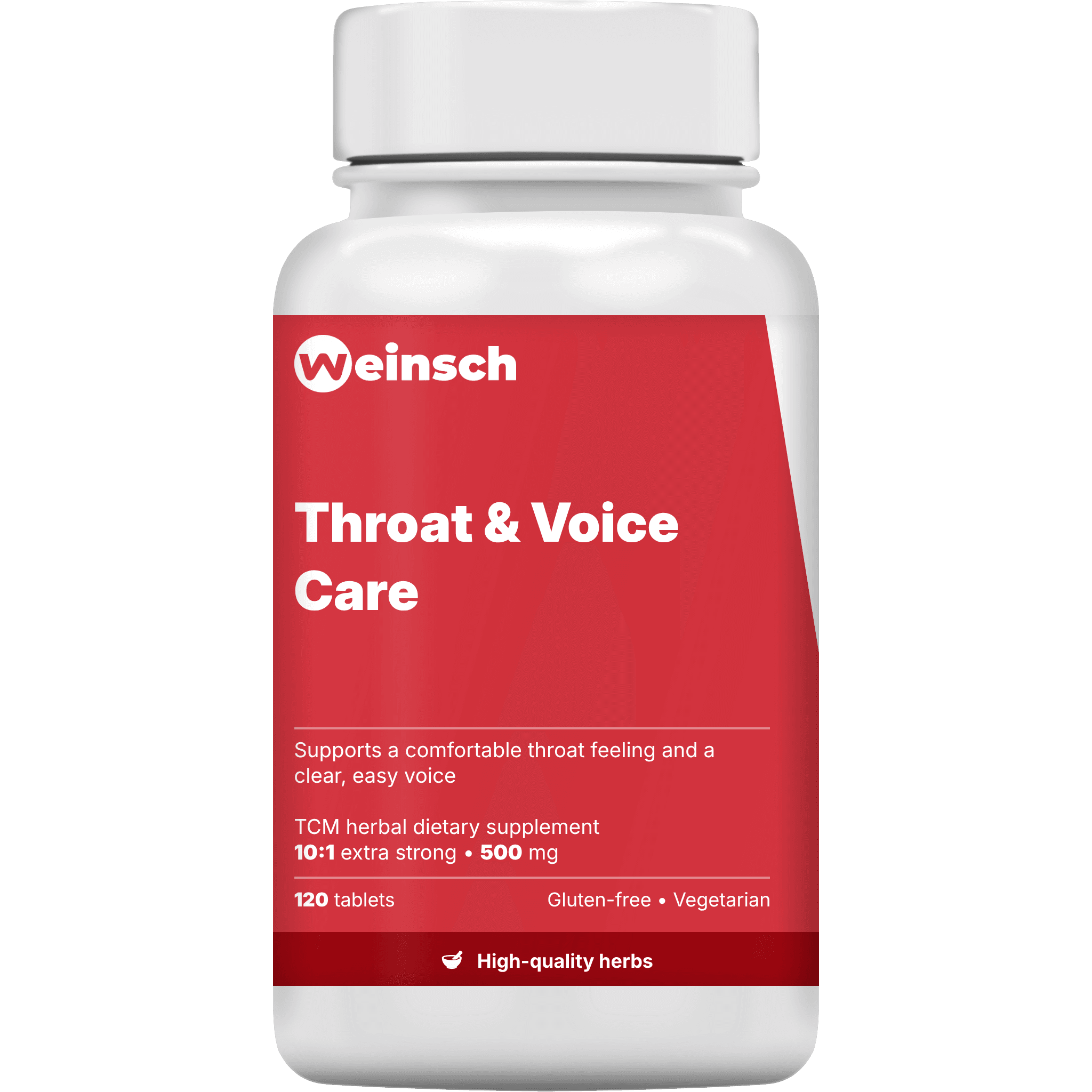
  • Strength 10:1
  • 120 tablets per bottle
  • Double or Triple the strength as regular brands
  • Less fillers and binders
  • No pharmaceuticals or dyes
  • Thorough lab testing (heavy metals, pesticides etc.)
  • Always made in controlled cGMP certified facility
  • Unbeatable value
  • European brand
TCM traditional Chinese Patents do not work immediate, it takes some time before you (and your organs) will experiences the benefits. We advice always to use minimum 1 packing and then evaluate with your prescriber!
This product is a dietary (food) supplement, to be taken as directed by a qualified practitioner. It is not intended to treat, cure, diagnose or prevent any disease. Not to replace a varied diet. Not to be taken if nursing or if pregnant. Not to be consumed continuously for longer than 3 months.
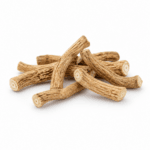
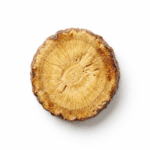
Weinsch Throat & Voice Care Extra strong is based on the classical Qing Yan Li Ge Tang ("Clear the Throat and Benefit the Diaphragm Decoction"), a traditional formula documented in classical Chinese medical literature. Within traditional Chinese herbal literature, this specific combination of botanicals—including Jin Yin Hua (Honeysuckle Flower), Lian Qiao (Forsythia Fruit), Niu Bang Zi (Burdock Seed), Jing Jie (Schizonepeta), Bo He (Mentha), Zhi Zi (Gardenia Fruit), and Jie Geng (Platycodon Root)—was described as a method to "expel Wind‑Heat," "purge Fire from the Lungs and Stomach," "resolve toxicity," and "open the throat" in accordance with the TCM theoretical framework. These descriptions belong exclusively to the traditional conceptual system of Chinese medicine and do not refer to modern anatomy, psychology, or scientifically validated physiological effects.

1
Induction of autophagic cell death in nasopharyngeal carcinoma cells
https://pmc.ncbi.nlm.nih.gov/articles/PMC8577896/

Please note: This summary is a concise interpretation of the original article; please refer to the source for the full context and details.

A 2021 in‑vitro study in nasopharyngeal carcinoma (NPC) cell lines investigated whether Qing Yan Li Ge Tang has antitumor activity and explored its mechanism of action. The researchers found that Qing Yan Li Ge Tang significantly reduced NPC cell viability and induced autophagic (not apoptotic) cell death, as shown by increased autophagy‑related protein expression (e.g. Atg3) and accumulation of autophagic vacuoles.


2
Potential antitumor activity without triggering apoptosis
https://pubmed.ncbi.nlm.nih.gov/34765012/

Please note: This summary is a concise interpretation of the original article; please refer to the source for the full context and details.

In the same study, Qing Yan Li Ge Tang did not significantly increase classical apoptosis markers in NPC cells, indicating that its cytotoxic effect is mainly via autophagy rather than apoptosis. When the autophagy inhibitor 3‑methyladenine (3‑MA) was added, the decrease in cell viability caused by Qing Yan Li Ge Tang was significantly reversed, further supporting that autophagy is the primary mode of cancer cell death in this model


3
Traditional and clinical use in upper respiratory and ENT conditions
https://www.thieme-connect.com/products/ejournals/pdf/10.1055/s-0042-1759765.pdf

Please note: This summary is a concise interpretation of the original article; please refer to the source for the full context and details.

The same publication notes that Qing Yan Li Ge Tang “is widely used in clinical applications to patients with acute upper respiratory infection, allergic rhinitis, cough, or chronic pharyngitis”, describing its existing role in ENT‑focused TCM practice. However, this statement is descriptive and not based on controlled clinical trials; no randomized or observational human studies specifically quantifying symptom improvement with Qing Yan Li Ge Tang (e.g. sore throat scores, cough frequency, rhinitis scores) could be identified in the current literature search

For Throat & Voice Care, take 3 tablets 2 times per day. These should be taken before or after meal.

Total pieces in package: 120 tablets

Dosage: 3 tablets

Frequency: 2 times a day before or after meal

Do not exceed the recommended daily dose. This supplement is not a substitute for a balanced diet.


Side effects

Mild gastrointestinal discomfort


Allergies

Individuals allergic to any of the herbal ingredients should avoid use. Discontinue immediately if any allergic reactions, such as rash, itching, or swelling, occur.

No known allergies.


Avoid medicine interactions

Anticoagulants or Antiplatelet Drugs

Medications Metabolized by CYP3A4, CYP2C9, and P-Glycoprotein

Sedatives or CNS-Acting Drugs


Precautions

Do not use if pregnant or breastfeeding.

Not suitable for if you suffer from digestive problems.

Only to be used by children under adult supervision.

Consult your herbalist or physician before use if you are taking other medications or receiving other medical treatments.

Keep out of reach of children.


Indemnification

This product is a dietary supplement, and should only be used as prescribed by a qualified acupuncturist, herbalist, phyto- or TCM therapist. This product is not intended to diagnose, treat, prevent or cure any disease. Always consult a qualified doctor or healthcare professional before using this. A healthy lifestyle is important, as is a varied, balanced diet, for which supplements are not a substitute.

TCM traditional Chinese Patents do not work immediate, it takes some time before you (and your organs) will experiences the benefits. 1 packing adviced and then evaluate with your prescriber!

Avoid medicine interactions

, ,

Clinical applications (for reference only)

, , , , , , ,

Formula types

Ingredients

, , , , , , , , , ,

Ingredients Pinyin

, , , , , , , , , ,

Original classical patents

, , ,

Original classical patents Pinyin

, , ,

Pulse diagnoses

, ,

Side effects

Symptoms (for reference only)

, , , ,

TCM consitutions

, , , ,

TCM patterns

Tongue diagnoses

, , ,