-
€ 12,00

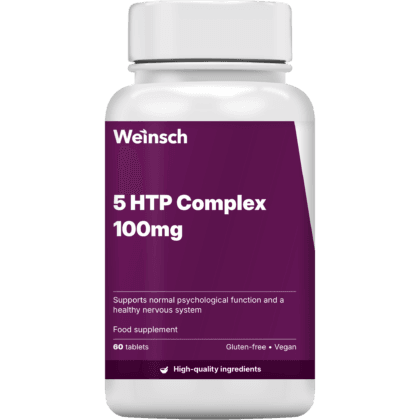
5 HTP Complex 100mg
-
€ 8,00

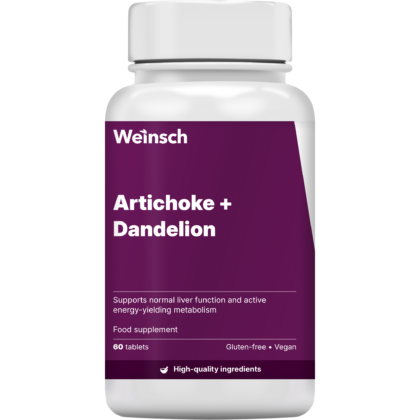
Artichoke + Dandelion
-
€ 20,00

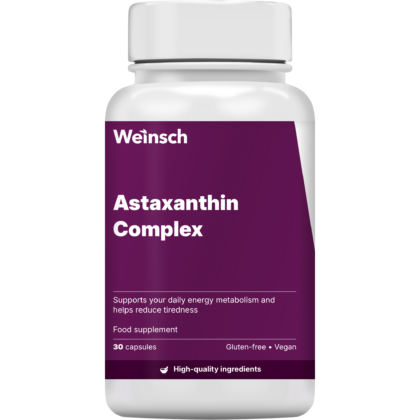
Astaxanthin Complex
-
€ 12,00

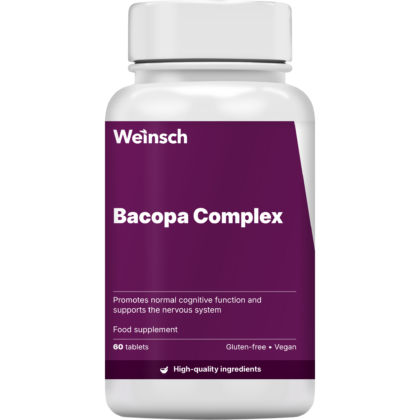
Bacopa Complex
-
€ 18,00

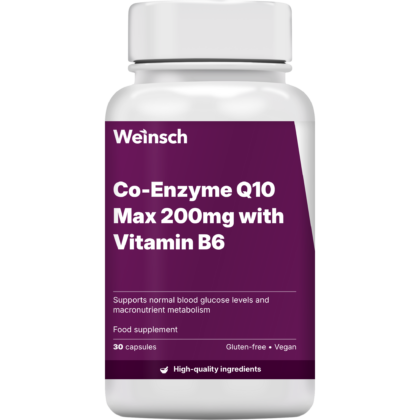
Co-Enzyme Q10 Max 200mg with Vitamin B6
-
€ 10,00

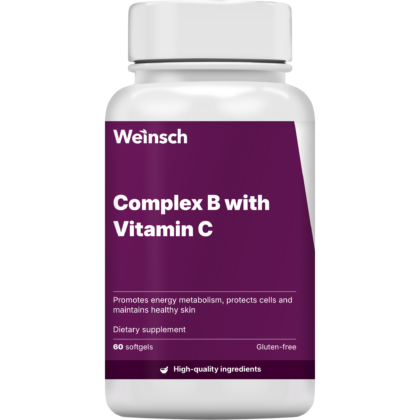
Complex B with Vitamin C
-
€ 10,00

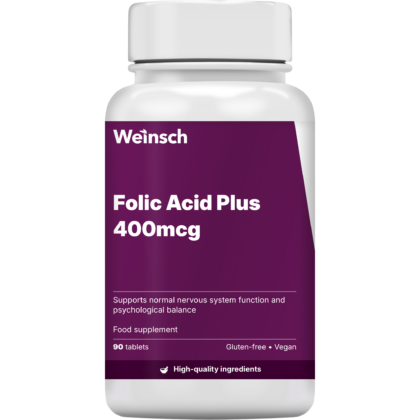
Folic Acid Plus 400mcg
-
€ 20,00

Immune Support Premium Bee Complex
-
€ 12,00

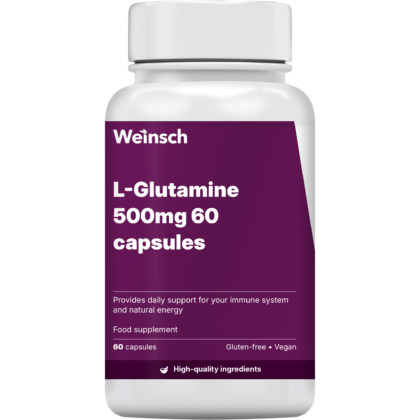
L-Glutamine 500mg 60 capsules
-
€ 20,00

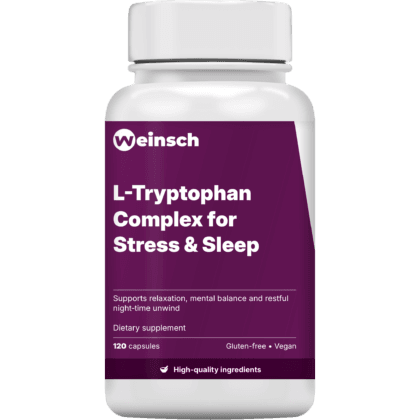
L-Tryptophan Complex for Stress & Sleep
-
€ 12,00

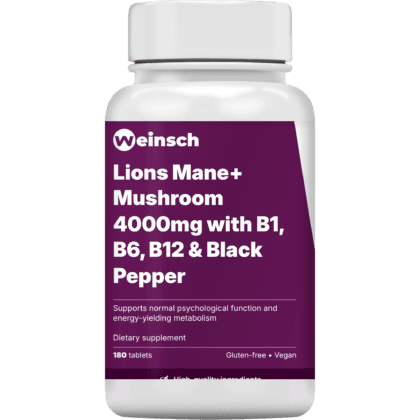
Lions Mane+ Mushroom 4000mg with B1, B6, B12 & Black Pepper
-
€ 12,00

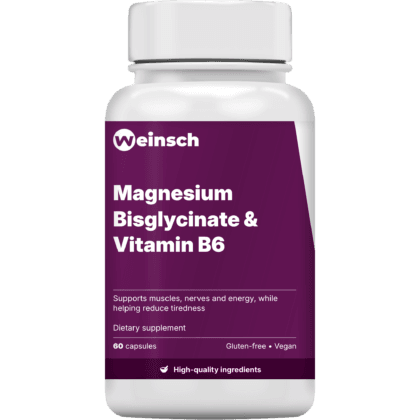
Magnesium Bisglycinate & Vitamin B6
Yán suān bǐduōchún
Vitamin B6 (Pyridoxine Hydrochloride) – Water-soluble vitamin for energy, nerves, and hormone support
Vitamin B6 in the form of pyridoxine hydrochloride is a common and stable supplemental form of vitamin B6. It is used to support energy metabolism, nervous system function, neurotransmitter production, red blood cell formation, and normal immune function.
Characteristics, origin, and composition
Pyridoxine hydrochloride is a synthetic, shelf-stable form of vitamin B6 that the body converts into the biologically active coenzyme form pyridoxal-5-phosphate (PLP). Vitamin B6 is involved in hundreds of enzymatic reactions, especially those related to protein metabolism and amino acid conversion. It also plays an important role in the production of serotonin, dopamine, GABA, and hemoglobin, making it relevant for mood, nerve function, and oxygen transport.
Use in dietary supplements
Vitamin B6 is commonly used:
-
In B-complex formulas and multivitamins for general energy and metabolic support.
-
In products aimed at nervous system support, mental balance, and fatigue.
-
In women’s formulas, especially around the menstrual cycle or PMS.
-
In combination with magnesium in relaxation, muscle, and stress-support products.
-
In certain settings for nausea during pregnancy, though that should only be done under medical guidance.
Pyridoxine hydrochloride remains popular because it is stable, affordable, and easy to include in many supplement formulas.
Everyday use and well-being
Vitamin B6 is essential, but higher intake is not always better. Long-term use of high doses can lead to nerve-related side effects such as tingling, numbness, or sensory disturbances in the hands and feet. For that reason, caution is important with high-strength products, especially when taken daily over long periods. Dietary supplements do not replace a balanced diet or medical care.