-
€ 12,00

5 HTP Complex 100mg
-
€ 10,00

Complex B with Vitamin C
-
€ 12,00

Hair & Nail Complex
-
€ 20,00

Immune Support Premium Bee Complex
-
€ 20,00

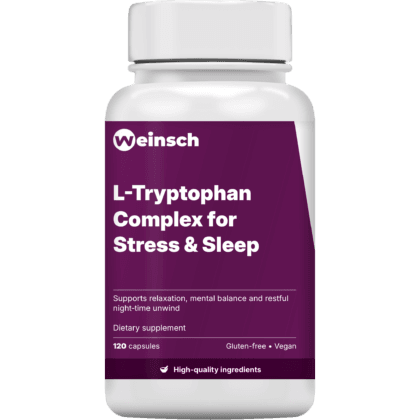
L-Tryptophan Complex for Stress & Sleep
-
€ 16,00

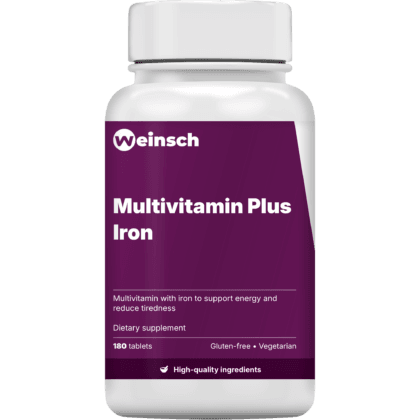
Multivitamin Plus Iron
-
€ 12,00
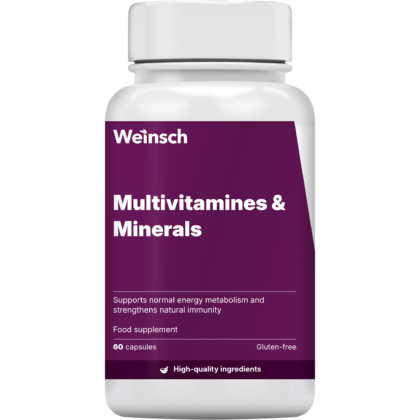
Multivitamines & Minerals
-
€ 12,00
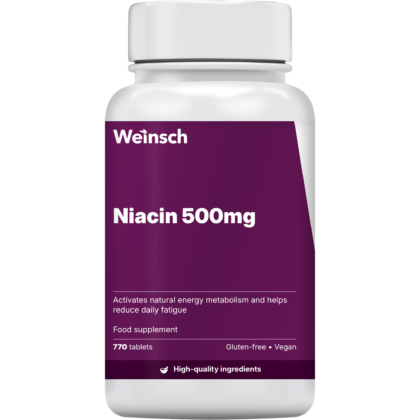
Niacin 500mg
-
€ 12,00

Vegan Multivitamin & Mineral Formula
-
€ 16,00

Vitamin B Complex Daily
Yān xiān àn Wéishēngsù B3
Nicotinamide (Vitamin B3) – “Flush-free” vitamin for cellular energy and skin care
Nicotinamide (also known as niacinamide) is, along with nicotinic acid (niacin), one of the two primary forms of the water-soluble vitamin B3. In dietary supplements and cosmetics, nicotinamide is widely favored because, unlike nicotinic acid, it does not cause a “flush” (a harmless but often uncomfortable red, warm rash on the skin). It plays a pivotal role in energy metabolism, supporting cellular health, and maintaining healthy skin as part of a balanced lifestyle.
Characteristics, Origin, and Composition
Niacin metabolism pathway
Vitamin B3 is essential for the human body, but because we can only synthesize it in very small amounts from the amino acid tryptophan, we must obtain it primarily through our diet (such as meat, fish, and whole grains) or supplements. In both natural foods and most standard supplements, vitamin B3 is predominantly present in the form of nicotinamide.
The most critical physiological function of nicotinamide is that it serves as a direct precursor to the vital co-enzymes NAD+ (nicotinamide adenine dinucleotide) and NADP. These co-enzymes are involved in over 450 enzymatic redox reactions in the body and are absolutely essential for converting fats, carbohydrates, and proteins into usable cellular energy (ATP). Research actually indicates that nicotinamide is more effective at raising NAD+ levels in the body than nicotinic acid (niacin). Furthermore, NAD+ supports crucial DNA repair mechanisms and promotes pathways associated with healthy aging (longevity).
Use in Dietary Supplements and Cosmetics
Nicotinamide is frequently utilized in the following applications:
-
Energy and B-complex formulas: Due to its central role in ATP production, it is used to combat fatigue and support normal energy-yielding metabolism.
-
Anti-aging and cellular health: As a potent NAD+ booster, nicotinamide is increasingly included in “longevity” supplements to combat cellular aging and support cell renewal.
-
Skin care and dermatology: In both topical creams and oral supplements, it is highly successful due to its anti-inflammatory properties; it reduces redness, strengthens the skin barrier, improves elasticity, and aids in managing conditions like sun damage and (in specific cases) preventing certain non-melanoma skin cancers.
-
Note: Unlike nicotinic acid (niacin), nicotinamide has no lowering effect on cholesterol levels or blood lipids, and is therefore not used for cardiovascular management.
Everyday Use and Well-Being
When used at appropriate dosages, nicotinamide is generally very well tolerated and provides a comfortable way to maintain vitamin B3 status without the bothersome “flush” associated with niacin. Dietary supplements do not replace proper nutrition or medical treatment. While safe at normal doses (the tolerable upper limit is 900 mg per day for adults in Europe), structurally consuming extremely high amounts (above 3000 mg) can lead to liver toxicity and eye damage. Always consult a doctor or qualified health professional if you are taking prescription medications.