-
€ 27,50

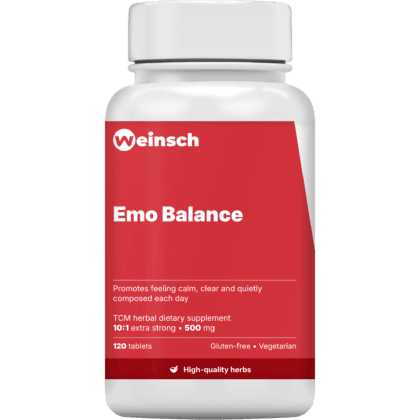
Emo Balance
-
€ 25,50

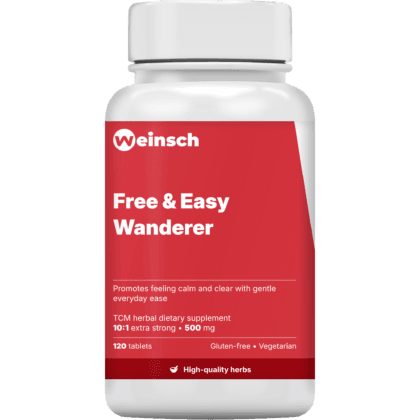
Free & Easy Wanderer
-
€ 25,50

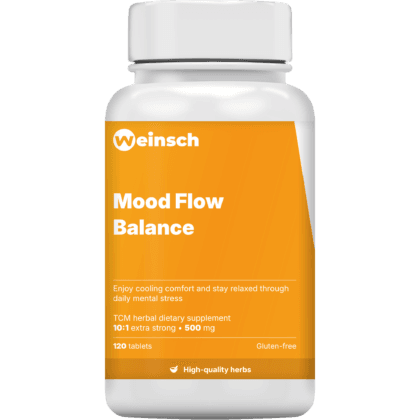
Mood Flow Balance
Wei Jiang
Roasted Ginger Root (Wei Jiang) – The Botanical Used in Traditional Systems to Warm the Middle and Harmonize the Stomach
Roasted ginger root (Wei Jiang) is the traditional Chinese medicine name for the specially processed rhizome of Zingiber officinale. By roasting fresh ginger until its exterior is lightly charred or baked, traditional herbalists temper its sweating-inducing properties while concentrating its deep, comforting warmth. This specialized preparation has been highly valued in East Asian herbal systems for centuries, particularly for its ability to soothe the digestive tract, ease nausea, and warm the body’s core without causing excessive fluid loss.
Traditional Understanding in TCM Systems
Within traditional Chinese medicine, roasted ginger root (Wei Jiang) is described as a pungent, warm, and highly harmonizing herb. In the TCM theoretical framework, it acts primarily on the Spleen and Stomach meridians. According to this traditional description, roasted ginger root (Wei Jiang) supports “warming the Middle” and “harmonizing the Stomach” – crucial TCM concepts for resolving digestive sluggishness and clearing internal cold that disrupts normal bowel function.
Roasted ginger root (Wei Jiang) is seen in TCM as a comforting botanical that “dispels Cold,” “stops vomiting,” and “regulates the intestines.” It is traditionally used to promote normal digestive comfort, ease cold-induced diarrhea or abdominal cramping, and help the body gently resolve trapped internal chill.
Biological Composition and Research
Roasted ginger root (Wei Jiang) contains numerous biologically active substances, of which the main ones are:
-
Gingerols – primary active compounds known for their dynamic digestive benefits
-
Shogaols – warming compounds that increase during the roasting process, providing deep thermal support
-
Volatile essential oils (such as zingiberene and zingerone) – aromatic lipids that stimulate healthy digestion
-
Flavonoids – plant-based antioxidants that protect against cellular stress
-
Amino acids and trace minerals – essential nutrients for tissue maintenance
Modern scientific research shows that roasted ginger root (Wei Jiang) components can offer diverse benefits:
-
Gastrointestinal comfort: Research suggests that the specific concentration of shogaols and gingerols helps relax the smooth muscles of the digestive tract, easing cramps and diarrhea.
-
Anti-nausea properties: Studies indicate that the active compounds provide profound support for settling an upset stomach and reducing the urge to vomit.
-
Anti-inflammatory effects: The enhanced warming compounds can help maintain a normal inflammation balance in the gut and joints.
-
Antioxidant activity: The processed root contains powerful antioxidants that provide cellular protection against environmental free radicals.
-
Mild circulatory support: Traditional use and modern observation point to a role in supporting gentle microcirculation without aggressively stimulating the sweat glands.
Traditional Applications – TCM Context
In traditional TCM formulas, roasted ginger root (Wei Jiang) is classically used in situations described as:
-
Abdominal pain or cramping that feels better with applied warmth
-
Watery, cold-induced diarrhea or loose stools linked to a weak Spleen
-
Nausea, vomiting, or an unsettled stomach after consuming cold foods or drinks
-
Sluggish digestion characterized by bloating and a lack of appetite
-
A generalized feeling of internal chill without a fever or sweating
These are traditionalist descriptions that form part of the TCM thinking system and must not be equated with medical diagnoses in the sense of European medicinal product law.
Well-being and Daily Use
Roasted ginger root (Wei Jiang) is valued by modern users as part of a conscious wellness routine aimed at digestive stability, nausea relief, and core thermal balance. Because of its concentrated, comforting warmth, the roasted root works optimally in targeted herbal decoctions, warm digestive teas, or restorative broths, especially during the cold winter months or when recovering from a minor stomach upset.
Many users see roasted ginger root (Wei Jiang) as a grounding, warming element in traditional routines – especially for resolving digestive cold and supporting intestinal harmony – alongside regular medical care when needed.