-
€ 12,00

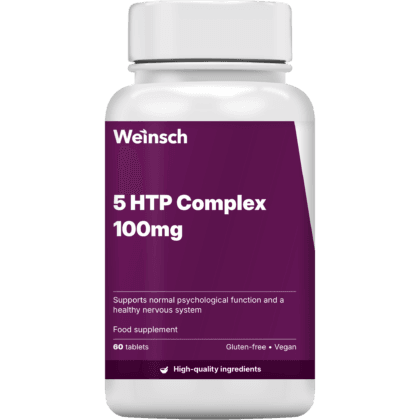
5 HTP Complex 100mg
-
€ 16,00

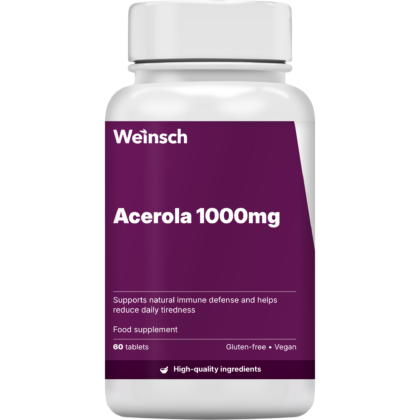
Acerola 1000mg
-
€ 12,00

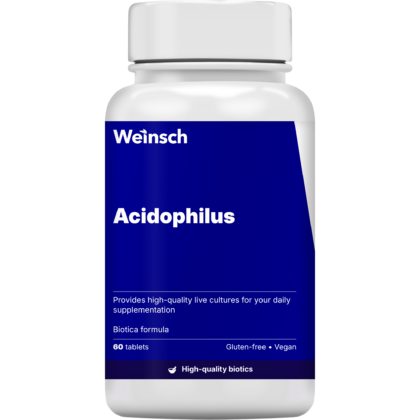
Acidophilus
-
€ 12,00

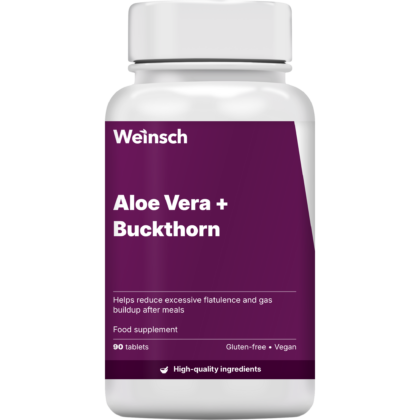
Aloe Vera + Buckthorn
-
€ 12,00

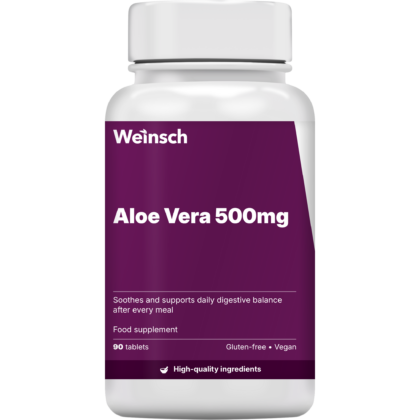
Aloe Vera 500mg
-
€ 16,00

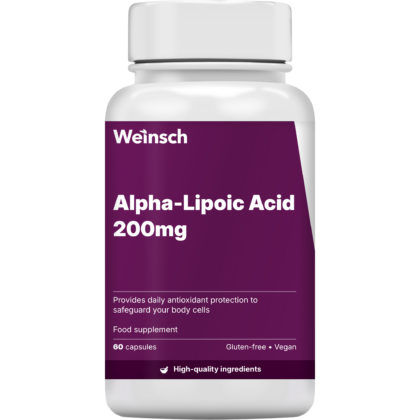
Alpha-Lipoic Acid 200mg
-
€ 12,00

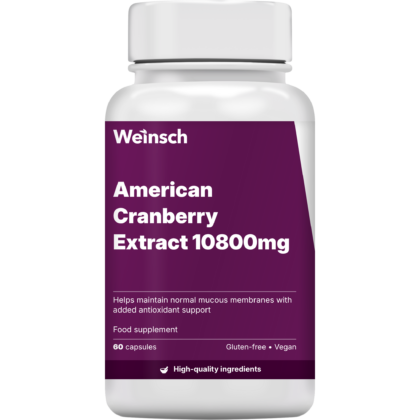
American Cranberry Extract 10800mg
-
€ 24,00

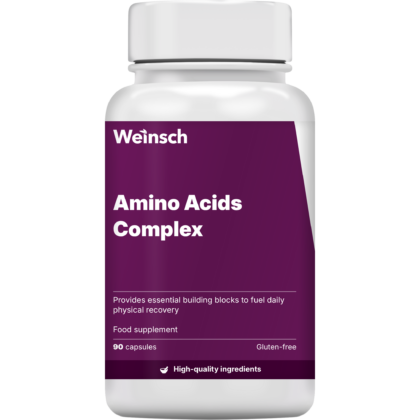
Amino Acids Complex
-
€ 8,00

Artichoke + Dandelion
-
€ 12,00

Artichoke 500mg
-
€ 20,00

Astaxanthin Complex
-
€ 12,00

Bacopa Complex
Wēi jī xiān wéi sù
Microcrystalline Cellulose – Technical excipient used as a filler and tablet carrier
Microcrystalline cellulose is a purified form of cellulose derived from plant fibers that is usually used in supplements as an excipient rather than a primary active ingredient. In practice, it is mainly added to give capsules and tablets volume, structure, and a more even distribution of ingredients.
Characteristics, Origin, and Composition
This substance is typically produced from wood pulp or other plant cellulose sources and then refined into a fine white powder. A key property of microcrystalline cellulose is that it is chemically stable, nearly tasteless, and highly compressible. That makes it especially useful in tablets that need to stay firm while still breaking apart properly after swallowing.
Use in Dietary Supplements
Microcrystalline cellulose is commonly used:
-
As a filler to bring capsules and tablets to the desired size and weight.
-
As a binder to help ingredients hold together during manufacturing.
-
As a carrier to distribute small amounts of active compounds more evenly.
-
Sometimes as a disintegrant to help a tablet break apart after ingestion.
Its day-to-day role is usually passive, since it serves mainly a technical function in the product rather than a targeted health purpose.
Everyday Use and Well-Being
Unlike ingredients such as vitamins, herbal extracts, or amino acids, microcrystalline cellulose is generally not included for a direct physiological effect. In supplements, it mainly has a functional manufacturing role and only a minor nutritional role. That is why labels usually list it under excipients, fillers, or binders.