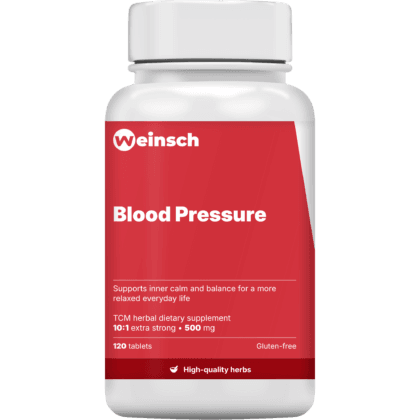
-
€ 27,50

Blood Pressure
Shi Jue Ming
Abalone shell (Shi Jue Ming) – The Mineral Used in Traditional Systems to Support Rest and Clear Vision
Abalone shell (Shi Jue Ming) is the traditional Chinese medicine name for the polished mother‑of‑pearl shell of Haliotis diversicoloror Haliotis gigantea discus (ear‑shell/abalone), a unique marine mineral that has been part of traditional East Asian herbal systems for over 2000 years. It is regarded as a marine mineral with cooling and calming properties, particularly suitable for formulas aimed at eye comfort, inner calm and stabilization of energy movements.
Traditional Understanding in TCM Systems
Within traditional Chinese medicine, abalone shell (Shi Jue Ming) is described as a heavy, mineral substance with cooling and calming properties. In the TCM theoretical framework, it acts on the so‑called Liver and Kidney meridians. According to this traditional description, abalone shell (Shi Jue Ming) anchors the so‑called “Yang” – a TCM concept that stands for upward, waking energies. When Yang rises out of balance (particularly via the Liver meridian to the eyes), related discomforts can arise. Abalone shell (Shi Jue Ming) helps perform this “anchoring” effect.
In TCM formulas, abalone shell (Shi Jue Ming) is seen as a mineral that helps support normal eye function, stabilize the Liver Yang (upward energy) and calm the so‑called “Shen” (inner calm/consciousness). It is traditionally used to promote clarity of vision, stabilize night rest, reduce tension headaches and foster general inner calm.
Botanical Composition and Research
Abalone shell (Shi Jue Ming) contains primarily calcium carbonate (in crystalline form), organic proteins (conchine, conchiolin), magnesium, phosphorus and traces of zinc, selenium and other minerals. This mineral profile is connected in traditional applications with support for normal calcium balance and mineral vitality.
Modern scientific research shows that abalone shell extracts can offer specific benefits. Studies show that abalone shell (Shi Jue Ming) preparations:
-
Possess antioxidant activity and can combat free radicals
-
Can have anti‑inflammatory action, particularly for eye tissues
-
Can support normal calcium metabolism
-
Can promote normal blood circulation
-
Can possess antimicrobial and antibacterial activity
-
Can work supportively on normal immune response
-
Contain glycosaminoglycans that may be protective for joints and eye fibres
-
Are used in traditional formulas with enhanced effects on vision
Scientists particularly investigate how the mineralogical and protein components of mother‑of‑pearl can contribute to normal eye cell structure and normal inflammation balance in the eye.
Traditional Applications – TCM Context
In traditional TCM formulas, abalone shell (Shi Jue Ming) is classically used in situations described as:
-
Uncomfortable or bloodshot eye sensation
-
Myopia or night blindness
-
Blurred vision or diminished visual clarity
-
Headache or migraine with head focus
-
Dizziness or unbalanced movement sensation
-
Restless or anxious feeling, especially evenings
-
Compromised sleep quality with restless character
-
Hyperactivity or excessive Yang upward energy sensation
These are traditionalist descriptions that form part of the TCM thinking system and must not be equated with medical diagnoses in the sense of European medicinal product law.
Well‑being and Daily Use
Abalone shell (Shi Jue Ming) is valued by modern users as part of a conscious wellness routine aimed at eye comfort, inner calm and stability, especially when they spend much time on screens, are under stress or wish to improve their night rest. The herb works optimally in balanced herbal mixtures, combined with healthy eye nutrition (such as lutein‑rich vegetables), regular screen breaks and adequate sleep.
Many users see abalone shell (Shi Jue Ming) as part of a long‑term approach to eye health and inner calm – as a supportive element in traditional routines, alongside professional guidance and regular medical care when needed.