Sè'ānsuān
L-Tryptophan – Essential amino acid for mood, sleep, and relaxation
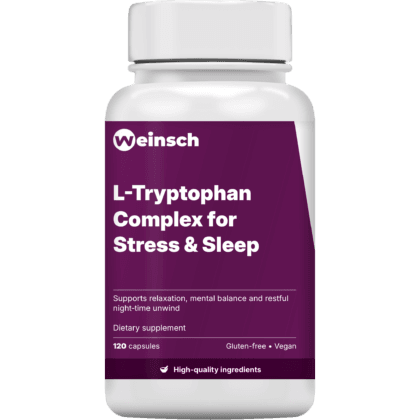
L-tryptophan is an essential amino acid, meaning that the human body cannot synthesize this compound on its own and is entirely dependent on obtaining it through diet or supplementation. In dietary supplements, the biologically active L-form of this amino acid (often referred to simply as L-tryptophan) is utilized to support healthy sleep, promote relaxation, and maintain a positive mood. This is due to its role as the direct physiological precursor to critical signaling molecules in the brain.
Characteristics, Origin, and Composition
In natural foods, tryptophan is primarily found in protein-rich products such as cheese, milk, poultry (chicken and turkey), eggs, bananas, oats, and seeds (like pumpkin and sunflower seeds). Because it is present in relatively low concentrations in the diet compared to other amino acids, its availability in the body can be limited, leading to intense competition with other amino acids to cross the blood-brain barrier.
Once absorbed and transported into the brain, L-tryptophan fulfills a highly specific function. In an initial step (aided by co-factors like magnesium and vitamin B6), it is converted into 5-HTP (5-hydroxytryptophan). From there, it is synthesized into the neurotransmitter serotonin, widely known as the “happiness hormone,” which is essential for regulating emotions, well-being, self-confidence, and appetite. Subsequently, when darkness falls, the body can further convert serotonin into melatonin, the hormone responsible for managing our sleep-wake cycle. Additionally, L-tryptophan acts as a precursor for the production of vitamin B3 (niacin), which is important for a properly functioning energy metabolism.
Use in Dietary Supplements
L-tryptophan is frequently used in supplements for the following purposes:
-
To promote healthy, deep sleep by supporting the body’s natural production of melatonin, thereby encouraging a natural circadian rhythm.
-
To support emotional balance and alleviate mild depressive or anxious feelings, as it helps elevate serotonin levels in the brain.
-
As a natural aid for stress reduction and relaxation during periods of tension.
-
Occasionally to assist in weight management, due to the appetite-suppressing qualities associated with increased brain serotonin levels.
These supplements often feature a combination of L-tryptophan with vitamin B6 and/or magnesium to optimize the necessary biological conversion to serotonin. Because 5-HTP is one step further along in this metabolic pathway, some practitioners prefer 5-HTP for a more direct effect, although L-tryptophan remains the gentler, more natural route that relies on the body’s own metabolic regulation.
Everyday Use and Well-Being
A typical dosage of L-tryptophan ranges from 250 mg to 1500 mg per day, depending on the intended health goal. To ensure that tryptophan does not lose the competition at the blood-brain barrier to other amino acids from protein-rich foods, it is crucial to take the supplement on an empty stomach (for example, at least half an hour before or two hours after a meal), preferably in the evening if sleep support is the objective. Dietary supplements do not replace proper nutrition or medical treatment. An important warning is that taking L-tryptophan in combination with prescription antidepressants (particularly SSRIs or MAOIs) must be avoided unless under strict medical supervision, due to the risk of the dangerous “serotonin syndrome.”