-
€ 25,50

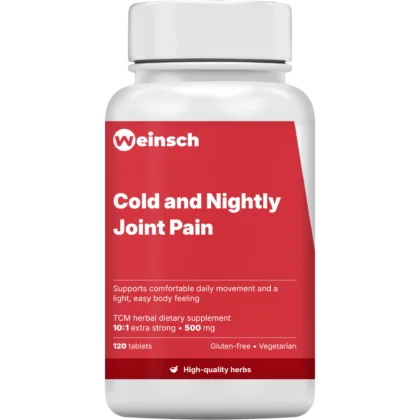
Cold and Nightly Joint Pain
-
€ 29,50

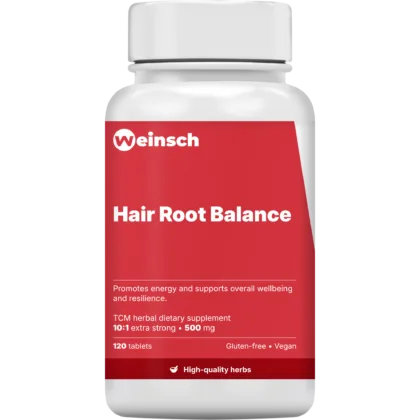
Hair Root Balance
-
€ 25,50

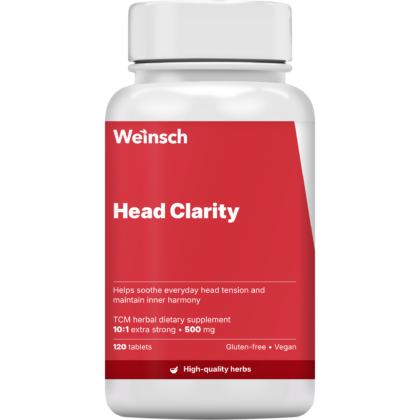
Head Clarity
-
€ 29,50

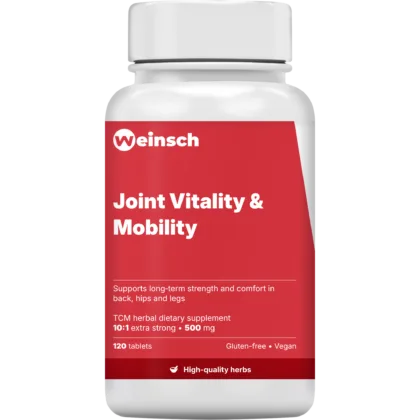
Joint Vitality & Mobility
-
€ 29,50
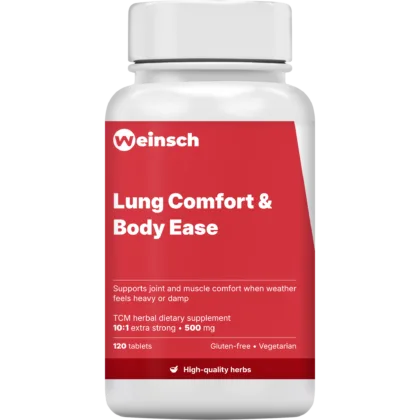
Lung Comfort & Body Ease
-
€ 25,50

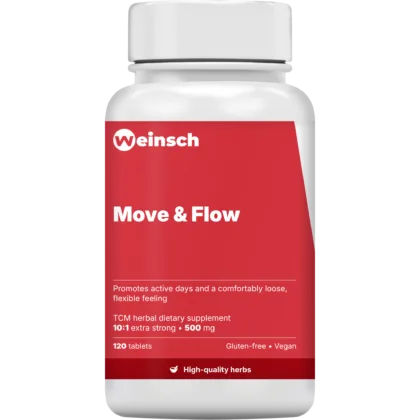
Move & Flow
-
€ 25,50

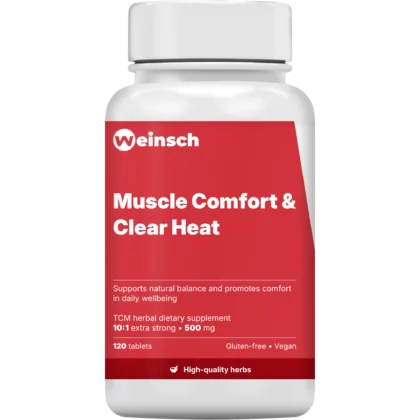
Muscle Comfort & Clear Heat
-
€ 29,50
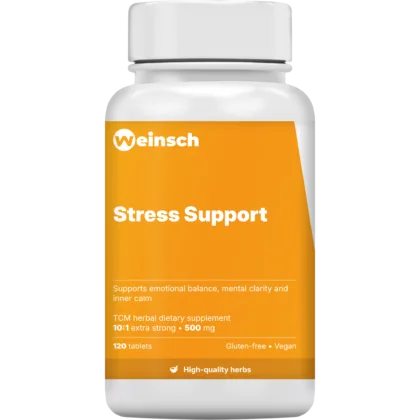
Stress Support
-
€ 25,50
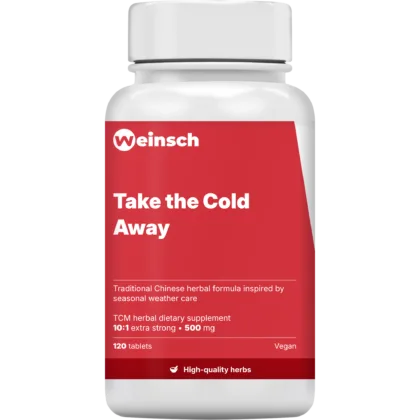
Take the Cold Away
-
€ 25,50
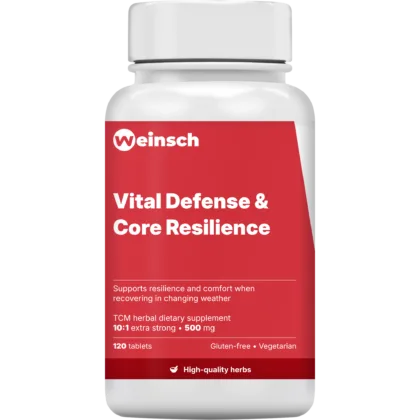
Vital Defense & Core Resilience
Qiang Huo
Notopterygium Root (Qiang Huo) – The Botanical Used in Traditional Systems to Support Upper-Body Comfort and External Balance
Notopterygium root (Qiang Huo) is the traditional Chinese medicine name for the dried root and rhizome of Notopterygium incisum or Notopterygium franchetii, a unique botanical that has been part of traditional East Asian herbal systems for over 2000 years. It is regarded as a botanical with dispersing and warming properties, particularly suitable for formulas aimed at supporting upper-body comfort, easing stiffness, and helping the body respond to cold and damp external influences.
Traditional Understanding in TCM Systems
Within traditional Chinese medicine, Notopterygium root (Qiang Huo) is described as an acrid and bitter botanical substance with warm properties. In the TCM theoretical framework, it acts on the so-called Bladder and Kidney meridians. According to this traditional description, Notopterygium root (Qiang Huo) dispels “Wind-Cold-Dampness” and releases the “Exterior” – TCM concepts that stand for external disruptive influences and the body’s surface-level response to them. When Wind, Cold, and Dampness affect the body, related discomforts such as chills, body aches, stiffness, and heavy pain in the upper body can arise. Notopterygium root (Qiang Huo) helps perform this warming, releasing, and dispersing effect.
In TCM formulas, Notopterygium root (Qiang Huo) is seen as a botanical that helps support normal mobility, ease tension in the neck and shoulders, and relieve discomfort associated with so-called Wind-Damp patterns. It is traditionally used to promote physical ease, support head and upper back comfort, reduce stiffness, and foster a more balanced outer state.
Botanical Composition and Research
Notopterygium root (Qiang Huo) contains primarily coumarins, volatile oils, phenolic compounds, and other aromatic constituents. This profile is connected in traditional applications with support for normal tissue comfort, antioxidant defense, and balanced inflammatory responses.
Modern scientific research shows that Notopterygium root extracts can offer specific benefits. Studies show that Notopterygium root (Qiang Huo) preparations:
-
Possess anti-inflammatory activity and may help support normal tissue comfort
-
Can have antioxidant properties and help combat free radicals
-
Can support normal joint and muscle comfort
-
May help support a balanced response to seasonal and environmental influences
-
Contain aromatic compounds that are investigated for their role in normal cellular protection
-
Can work supportively on normal mobility and physical resilience
Scientists particularly investigate how the coumarin and volatile oil components of the root can contribute to normal inflammation balance and the body’s natural protective responses in muscles and connective tissues.
Traditional Applications – TCM Context
In traditional TCM formulas, Notopterygium root (Qiang Huo) is classically used in situations described as:
-
Sensitivity to cold, wind, or damp weather
-
Stiff neck, shoulders, or upper back
-
Occipital headache or head discomfort with an outer, tense character
-
Generalized body aches with emphasis on the upper body
-
Joint discomfort associated with traditional Wind-Cold-Damp patterns
-
Heaviness or restricted movement in the limbs
These are traditionalist descriptions that form part of the TCM thinking system and must not be equated with medical diagnoses in the sense of European medicinal product law.
Well‑being and Daily Use
Notopterygium root (Qiang Huo) is valued by modern users as part of a conscious wellness routine aimed at physical comfort, ease of movement, and seasonal resilience, especially during cold, damp weather or periods of muscular stiffness. The herb works optimally in balanced herbal mixtures, combined with adequate warmth, regular movement, stretching, and a healthy lifestyle.
Many users see Notopterygium root (Qiang Huo) as part of a long-term approach to upper-body comfort and seasonal balance – as a supportive element in traditional routines, alongside professional guidance and regular medical care when needed.