-
€ 30,50

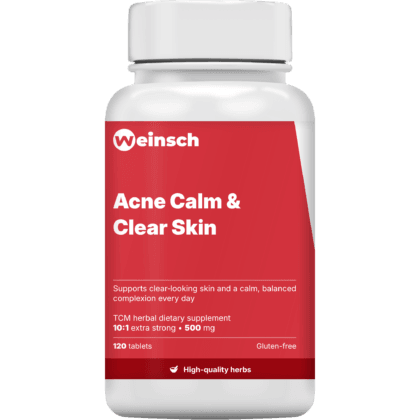
Acne Calm & Clear Skin
-
€ 29,50

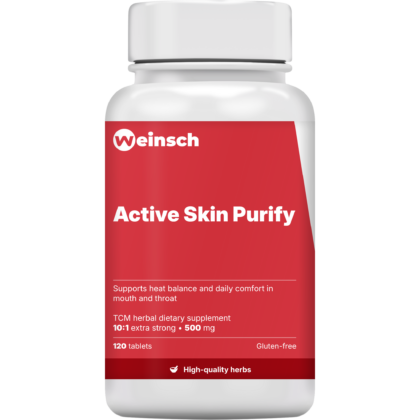
Active Skin Purify
-
€ 8,00

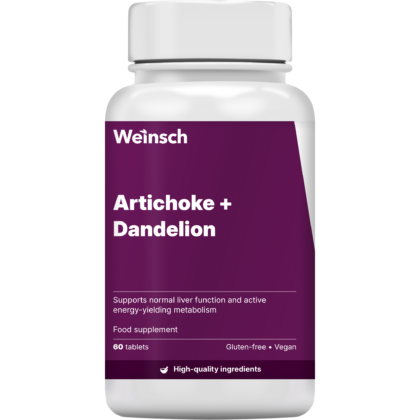
Artichoke + Dandelion
-
€ 27,50

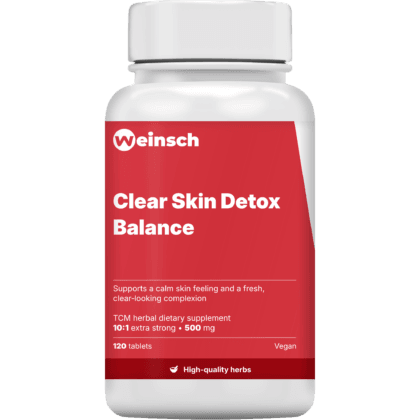
Clear Skin Detox Balance
-
€ 27,50

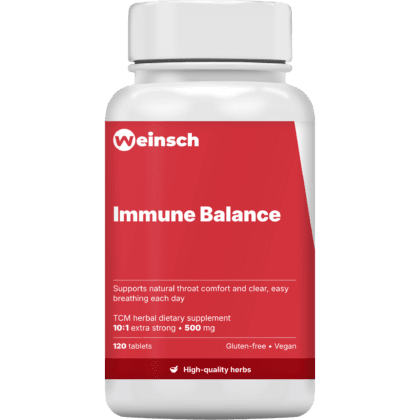
Immune Balance
Pu Gong Ying
Dandelion Herb (Pu Gong Ying) – The Botanical Used in Traditional Systems to Clear Heat and Support Natural Detoxifying Functions
Dandelion herb (Pu Gong Ying) is the traditional Chinese medicine name for the aerial parts of Taraxacum mongolicum or related Taraxacum species, a well-known botanical that has been part of traditional East Asian herbal systems for many centuries. It is regarded as a botanical with cooling and clearing properties, particularly suitable for formulas aimed at skin comfort, digestive balance, and support for the body’s natural detoxifying functions.
Traditional Understanding in TCM Systems
Within traditional Chinese medicine, dandelion herb (Pu Gong Ying) is described as a bitter, sweet, and cold botanical substance with strong heat-clearing properties. In the TCM theoretical framework, it acts primarily on the so-called Liver and Stomach meridians. According to this traditional description, dandelion herb clears so-called “Heat” and relieves “Toxic Heat” – TCM concepts that refer to patterns of excess warmth and inflammatory irritation in the body. When Heat accumulates, discomforts involving the skin, breasts, throat, or digestion can arise. Dandelion herb (Pu Gong Ying) helps perform this “cooling and clearing” effect.
In TCM formulas, dandelion herb (Pu Gong Ying) is seen as an herb that helps support normal skin condition, digestive comfort, and the smooth elimination of internal excess heat. It is traditionally used to promote skin clarity, soothe heat-related digestive discomfort, and foster a sense of internal balance.
Botanical Composition and Research
Dandelion herb (Pu Gong Ying) contains primarily sesquiterpene lactones, flavonoids, phenolic acids, triterpenes, polysaccharides, potassium, and other naturally occurring micronutrients. This botanical profile is connected in traditional applications with support for normal liver function, healthy digestion, and general metabolic balance.
Modern scientific research shows that dandelion herb extracts can offer specific benefits. Studies show that dandelion herb (Pu Gong Ying) preparations:
-
Possess antioxidant activity and can help combat free radicals
-
Can have anti-inflammatory action, particularly for skin and digestive tissues
-
Can support normal liver function and bile flow
-
Can promote normal digestive comfort and appetite regulation
-
Can support natural fluid balance through mild diuretic activity
-
Can possess antimicrobial properties
-
Contain bioactive compounds that may support normal metabolic balance
-
Are used in traditional formulas with enhanced effects on heat-clearing and skin comfort
Scientists particularly investigate how the polyphenol and sesquiterpene components of dandelion herb can contribute to normal inflammatory balance, liver cell protection, and the body’s natural elimination processes.
Traditional Applications – TCM Context
In traditional TCM formulas, dandelion herb (Pu Gong Ying) is classically used in situations described as:
-
Red, irritated, or uncomfortable skin
-
Local swelling or heat-related skin eruptions
-
Breast tenderness or localized heat sensations
-
Sore throat with a hot, uncomfortable feeling
-
Digestive discomfort associated with internal heat
-
A feeling of internal heaviness or heat accumulation
-
Damp-Heat patterns affecting the lower body
These are traditionalist descriptions that form part of the TCM thinking system and must not be equated with medical diagnoses in the sense of European medicinal product law.
Well-being and Daily Use
Dandelion herb (Pu Gong Ying) is valued by modern users as part of a conscious wellness routine aimed at skin comfort, digestive balance, and gentle daily support for the body’s natural cleansing processes. The herb works optimally in balanced herbal mixtures, combined with a nutrient-rich diet, good hydration, and attention to digestive health.
Many users see dandelion herb (Pu Gong Ying) as part of a long-term approach to inner balance and skin wellness – as a supportive element in traditional routines, alongside professional guidance and regular medical care when needed.