-
€ 20,00

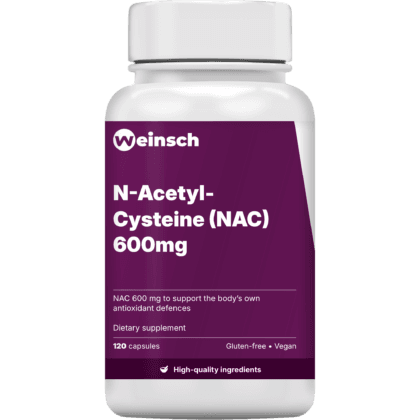
N-Acetyl-Cysteine (NAC) 600mg
N- yǐxiān bàn guāng'ān suān
N-Acetyl-Cysteine (NAC) – Antioxidant precursor supporting liver and respiratory health
N-Acetyl-Cysteine, commonly abbreviated as NAC, is the stable and highly bioavailable form of the semi-essential amino acid L-cysteine. In both dietary supplements and clinical medicine, this sulfur-containing compound is primarily utilized as a potent antioxidant and as the direct precursor for the production of glutathione, the most important antioxidant within our cells. It is widely used to support liver detoxification, alleviate respiratory conditions, and combat oxidative stress as part of a balanced lifestyle or medical treatment protocol.
Characteristics, Origin, and Composition
Our bodies can synthesize L-cysteine from another amino acid, L-methionine, but under certain physiological conditions (such as stress, illness, or aging), this internal production is insufficient, making it a “conditionally essential” amino acid. As a supplement, NAC offers a significant advantage over regular L-cysteine: the addition of the “acetyl” group makes the molecule less susceptible to oxidation and increases its bioavailability, meaning it is more efficiently absorbed by the liver and cellular tissues.
The primary physiological function of NAC is its ability to donate sulfur (sulfhydryl) groups. Together with the amino acids glutamine and glycine, this sulfur acts as the essential building block for the synthesis of glutathione. This makes NAC crucial for neutralizing tissue-damaging free radicals. Furthermore, NAC possesses a unique chemical property in the respiratory tract: it is a “mucolytic” agent. It literally cleaves the disulfide bonds in thick mucus (glycoproteins), causing the mucus to thin out and making it much easier to cough up and clear from the airways. Finally, NAC exhibits strong anti-inflammatory properties by suppressing the activity of cellular pathways that release pro-inflammatory cytokines (such as TNF-α and interleukins).
Use in Dietary Supplements and Medication
NAC is unique in that it bridges the gap between a daily dietary supplement and an established, critical medication:
-
As a potent antioxidant (Glutathione booster): Individuals take NAC supplements to protect overall cellular health and support the immune system by actively elevating intracellular glutathione levels.
-
For respiratory support: It is a widely used treatment (often in the form of effervescent tablets or powders) for acute and chronic bronchopulmonary disorders (such as bronchitis, pneumonia, or COPD) to loosen and clear stubborn, thick mucus.
-
For liver detoxification: In acute clinical settings, a high dose of NAC is the standard antidote for paracetamol (acetaminophen) overdose; it rapidly restores depleted glutathione reserves in the liver, effectively preventing fatal hepatic necrosis (liver damage). In supplements, it is frequently used to support the body’s natural daily detoxification pathways.
-
For psychiatric and neurological balance: Emerging research is exploring NAC’s role in modulating brain neurotransmitters, suggesting it may offer supportive benefits for compulsive behaviors and mood regulation.
Everyday Use and Well-Being
When taken at recommended dosages (in the Netherlands, the RIVM advises a maximum of 1200 mg per day for adults as a dietary supplement), NAC is safe and generally very well tolerated. Dietary supplements do not replace proper nutrition or medical treatment. If taken in excessive amounts, mild gastrointestinal distress such as nausea may occur. Because NAC can exert mild anticoagulant (blood-thinning) effects and may interact with specific medications (including certain antibiotics), individuals taking prescription drugs should consult a doctor or a qualified health professional. Health authorities advise against giving NAC supplements to children under the age of two.