-
€ 12,00

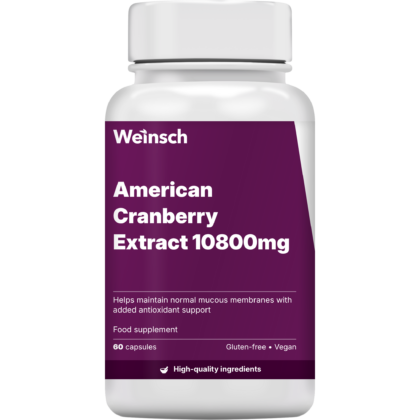
American Cranberry Extract 10800mg
-
€ 8,00

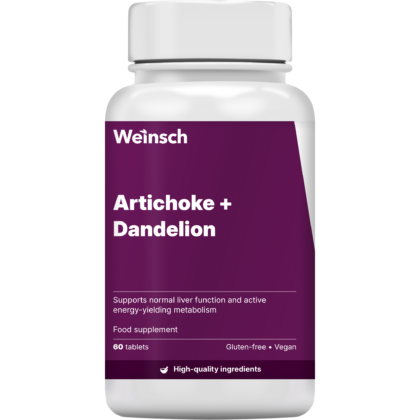
Artichoke + Dandelion
-
€ 25,00

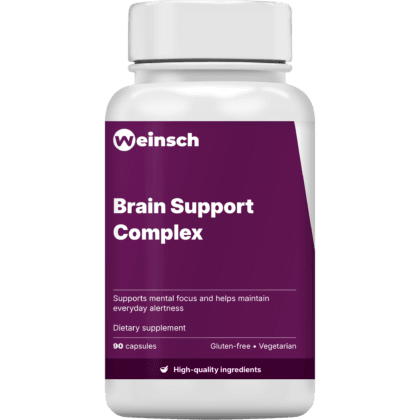
Brain Support Complex
-
€ 12,00

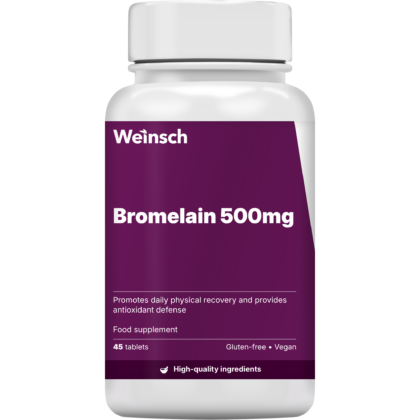
Bromelain 500mg
-
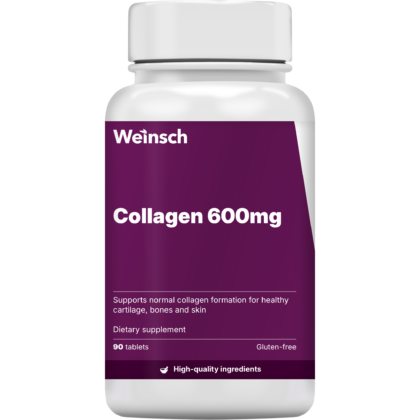
€ 12,00

Collagen 600mg
-
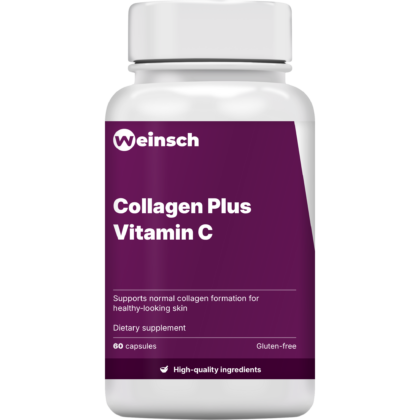
€ 16,00

Collagen Plus Vitamin C
-
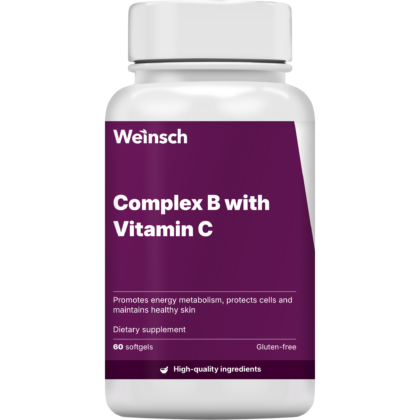
€ 10,00

Complex B with Vitamin C
-
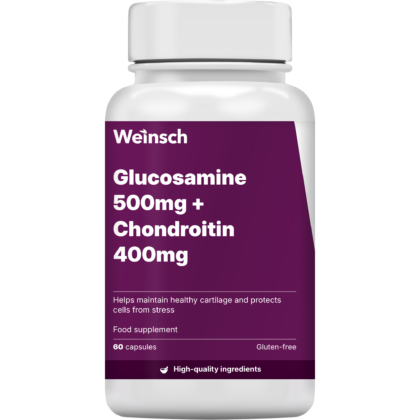
€ 16,00

Glucosamine 500mg + Chondroitin 400mg
-
€ 24,50

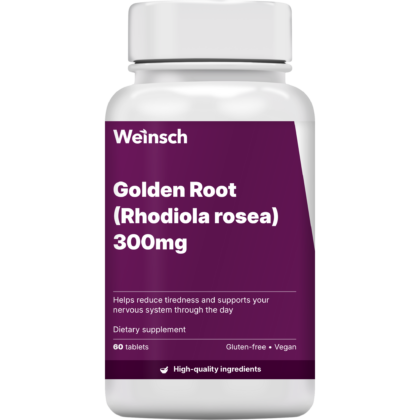
Golden Root (Rhodiola rosea) 300mg
-
€ 19,00

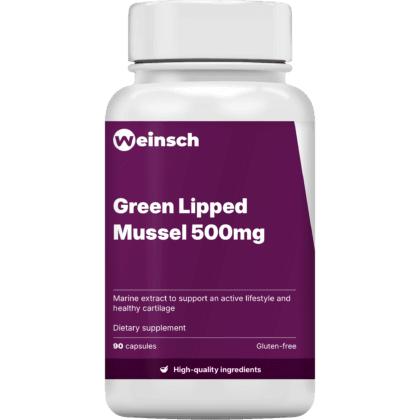
Green Lipped Mussel 500mg
-
€ 20,00
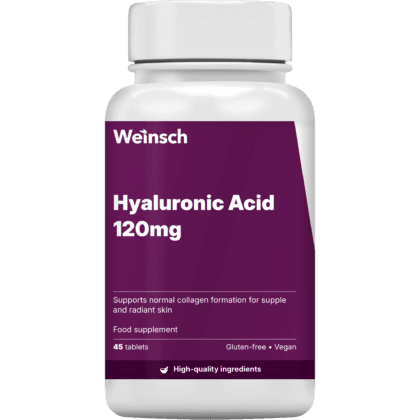
Hyaluronic Acid 120mg
-
€ 20,00

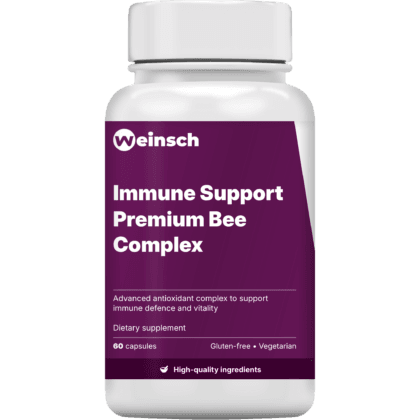
Immune Support Premium Bee Complex
Kàng huài xuě suān
Vitamin C (Ascorbic Acid) – Essential antioxidant for immunity, collagen, and cellular protection
Vitamin C, also known as ascorbic acid, is a water-soluble vitamin that is essential for humans because the body cannot produce it on its own. In dietary supplements, vitamin C is mainly used to support immune function, collagen production, protection against oxidative stress, and the absorption of iron from plant-based foods.
Characteristics, origin, and composition
Vitamin C occurs naturally in fruits and vegetables, especially citrus fruits, kiwi, strawberries, bell peppers, and broccoli. Chemically, ascorbic acid is the pure, classic form of vitamin C and is the form used in many supplements. Because it is water-soluble, it is not stored in large amounts for long periods, so regular intake through food or supplementation is important.
Use in dietary supplements
Vitamin C is commonly used:
-
In immune-support formulas, especially during periods of increased physical stress or seasonal challenges.
-
In skin, hair, and connective tissue products, because it is required for normal collagen formation.
-
In antioxidant blends, often together with bioflavonoids, zinc, or selenium.
-
In iron formulas, because it can improve the absorption of non-heme iron from plant foods.
Many supplements provide between 250 mg and 1000 mg per serving, depending on the formula and intended use.
Everyday use and well-being
Vitamin C is generally well tolerated, but higher amounts may cause digestive discomfort in some people, such as nausea or diarrhea. People with sensitive stomachs sometimes prefer buffered forms, though ascorbic acid remains the standard form in many products. Dietary supplements do not replace a balanced diet or medical care.