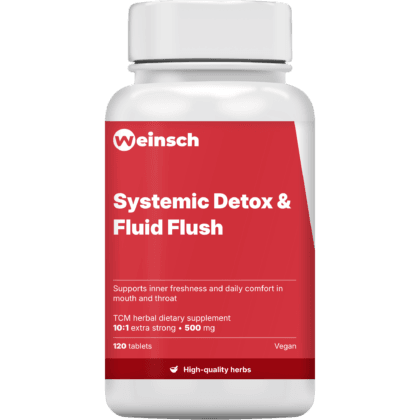
-
€ 31,50

Systemic Detox & Fluid Flush
-
€ 27,50
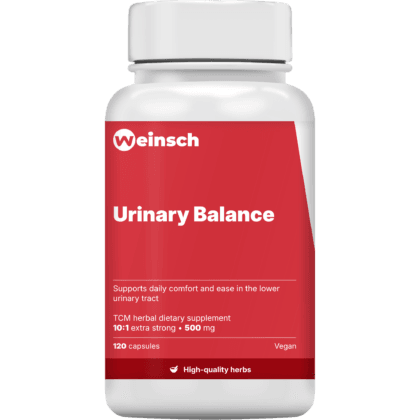
Urinary Balance
Hua Shi
Talcum (Hua Shi) – The Mineral Used in Traditional Systems to Support Fluid Balance and Cool Heat
Talcum (Hua Shi) is the traditional Chinese medicine name for talc, a naturally occurring hydrated magnesium silicate mineral (Mg₃Si₄O₁₀(OH)₂), used in traditional East Asian herbal systems for over 2000 years. It is regarded as a cooling, slippery mineral substance particularly suitable for formulas aimed at supporting normal fluid metabolism, clearing heat, and promoting urinary comfort.
Traditional Understanding in TCM Systems
Within traditional Chinese medicine, talcum (Hua Shi) is described as a heavy, slippery mineral substance with strong cooling and draining properties. In the TCM theoretical framework, it acts on the so-called Stomach and Urinary Bladder meridians. According to this traditional description, talcum (Hua Shi) clears so-called “Damp-Heat” – a TCM concept describing an accumulation of excess warmth and fluid stagnation in the body’s lower pathways. When Damp-Heat accumulates (particularly in the urinary or digestive tract), related discomforts can arise. Talcum (Hua Shi) helps perform this “clearing and draining” effect.
In TCM formulas, talcum (Hua Shi) is seen as a mineral that helps support normal urinary flow, cool internal heat sensations, and resolve so-called “Summer Heat” – a TCM concept describing overheating from environmental warmth. It is traditionally used to promote comfortable urination, reduce heat-related restlessness, support normal digestion under damp-heat conditions, and foster general cooling balance.
Botanical Composition and Research
Talcum (Hua Shi) consists primarily of hydrated magnesium silicate, with associated minerals including silicon dioxide, aluminium oxide, iron oxide and trace amounts of calcium and manganese. This mineral profile is connected in traditional applications with support for normal fluid regulation and internal cooling balance.
Modern scientific research shows that talcum (Hua Shi) preparations can offer specific benefits. Studies show that talcum (Hua Shi):
-
Possesses heat-clearing and anti-inflammatory action, particularly for urinary tract tissues
-
Can support normal urinary flow and comfort
-
Can have antimicrobial activity relevant to urinary and digestive health
-
Can support normal moisture balance on mucous membranes
-
Can work supportively on normal digestion by reducing damp-heat accumulation
-
Can possess mild astringent and protective properties for internal surfaces
-
Is used in traditional formulas to relieve heat-related restlessness and thirst
Scientists particularly investigate how the silicate and magnesium components of talcum can contribute to normal mucous membrane integrity and normal inflammation balance in the urinary and digestive pathways.
Traditional Applications – TCM Context
In traditional TCM formulas, talcum (Hua Shi) is classically used in situations described as:
-
Uncomfortable or burning sensation during urination
-
Scanty or difficult urinary flow
-
Heat sensation in the lower abdomen or urinary region
-
Restless or overheated feeling, particularly in warm seasons
-
Thirst with a sense of internal heat
-
Nausea or digestive discomfort associated with damp-heat
-
Skin irritation or heat rash in external topical applications
-
Generalised heavy or sluggish sensation from damp accumulation
These are traditionalist descriptions that form part of the TCM thinking system and must not be equated with medical diagnoses in the sense of European medicinal product law.
Well-being and Daily Use
Talcum (Hua Shi) is valued by modern users as part of a conscious wellness routine aimed at fluid comfort, cooling balance and urinary well-being, especially during warm seasons, periods of high stress or when dietary habits contribute to internal heat sensations. The mineral works optimally in balanced herbal mixtures, combined with adequate hydration, a diet low in spicy and fatty foods, and regular movement.
Many users see talcum (Hua Shi) as part of a long-term approach to fluid balance and internal cooling – as a supportive element in traditional routines, alongside professional guidance and regular medical care when needed.