-
€ 12,00

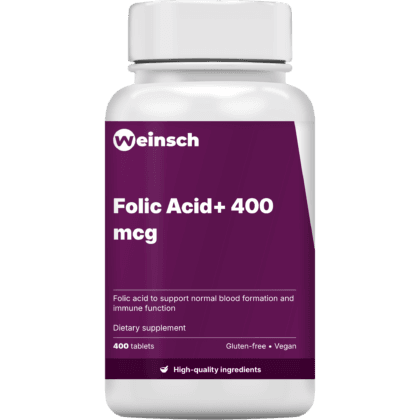
Folic Acid+ 400 mcg
-
€ 12,00

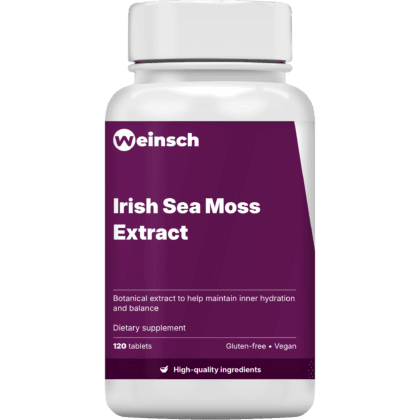
Irish Sea Moss Extract
-
€ 20,00

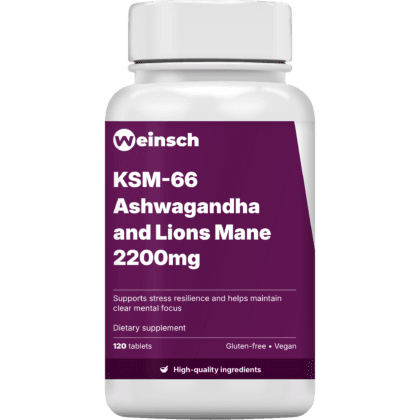
KSM-66 Ashwagandha and Lions Mane 2200mg
Guā'ěr jiāo
Guar Gum – Plant-based fiber for digestive health and blood sugar regulation
Guar gum (also known as guaran or E412) is a soluble fiber and polysaccharide extracted from the seeds of the guar bean plant (Cyamopsis tetragonoloba), a legume primarily grown in India and Pakistan. While widely recognized in the food industry as a natural thickening agent, in dietary supplements (often as partially hydrolyzed guar gum) it is specifically used to support digestive health, lower cholesterol, and regulate blood sugar levels as part of a balanced lifestyle.
Characteristics, Origin, and Composition
Guar gum is produced by mechanically dehusking, hydrating, and milling guar seeds into a fine, off-white powder. This powder is composed almost entirely of galactomannan, a type of carbohydrate, and is exceptionally rich in soluble dietary fiber (accounting for about 80% of its dry weight). The most remarkable characteristic of guar gum is its massive water-binding capacity; it possesses roughly eight times the water-thickening power of cornstarch. When it mixes with water in the digestive tract, it forms a bulky, gel-like substance. Because this gel slows down gastric emptying and the overall digestion of food, it promotes a prolonged feeling of fullness (satiety) and lowers the glycemic index of meals.
Use in Dietary Supplements
Guar gum is commonly used in supplements for:
-
Digestive health and regular bowel movements: Acting as a bulk-forming laxative, it speeds up transit time through the intestinal tract and relieves constipation. In its partially hydrolyzed form, it also serves as a potent prebiotic, promoting the growth of beneficial gut bacteria and effectively alleviating symptoms of Irritable Bowel Syndrome (IBS).
-
Blood sugar control: The gel formed in the intestines significantly slows the absorption of sugars, leading to a more stable post-meal blood sugar level, which is particularly beneficial for individuals with diabetes.
-
Cholesterol management: Studies indicate that the high soluble fiber content in guar gum can help lower total cholesterol and harmful LDL cholesterol (by up to 20% in some clinical trials).
-
Weight management support: By suppressing hunger and reducing appetite, it can assist in lowering overall calorie intake.
Everyday Use and Well-Being
In moderate amounts, such as those found in processed foods or standard supplements (up to around 15 grams per day), guar gum is generally recognized as safe (GRAS). Dietary supplements do not replace proper nutrition or medical treatment. However, a crucial warning applies when consuming high doses of the dry powder: it must always be taken with copious amounts of water. In the late 1980s, the FDA banned certain extreme, high-dose guar gum weight-loss pills because, without sufficient fluid intake, the powder could swell rapidly and cause severe blockages in the esophagus or intestines. Minor overdosing may simply lead to mild gastrointestinal symptoms such as gas, bloating, or cramps.