-
€ 14,00

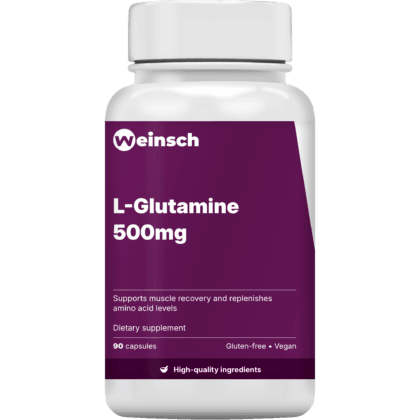
L-Glutamine 500mg
-
€ 12,00

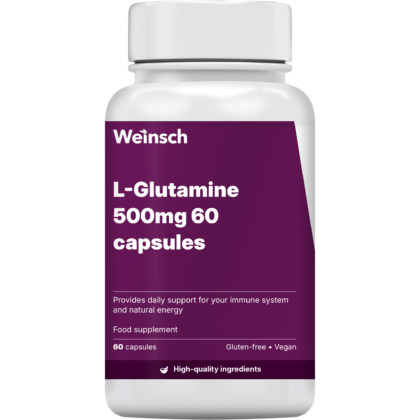
L-Glutamine 500mg 60 capsules
-
€ 20,00

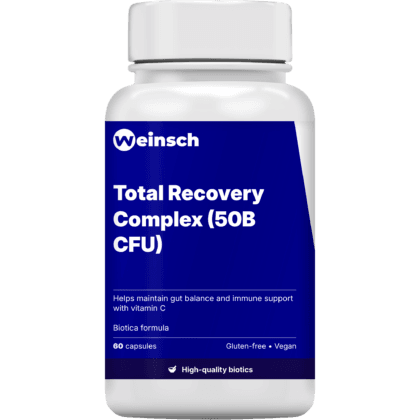
Total Recovery Complex (50B CFU)
Gǔ ān xiān àn
L-Glutamine – Semi-essential amino acid for muscle recovery and gut health
L-glutamine is the most abundant amino acid (a building block of proteins) found in human blood and muscle tissue. Although the body can synthesize it naturally, it is classified as a semi-essential (or conditionally essential) amino acid. This classification means that during periods of significant physical or metabolic stress—such as intense athletic training, illness, or severe recovery—the body’s demand for glutamine exceeds its capacity to produce it, making intake through diet or supplementation necessary. In dietary supplements, L-glutamine is primarily utilized to support muscle recovery, immune function, and the integrity of the intestinal lining as part of a balanced lifestyle.
Characteristics, Origin, and Composition
Momentous L-Glutamine Powder
In nature, L-glutamine is abundant in protein-rich foods such as beef, chicken, fish, eggs, dairy products, wheat, and almonds. Within the body, its synthesis mainly occurs in the muscles, liver, adipose (fat) tissue, and the brain. L-glutamine is structurally unique because it contains two amino groups, giving it a central role in metabolism and allowing it to serve as a vital nitrogen and carbon donor to cells. It is involved in numerous physiological processes: it is essential for the synthesis of proteins, nucleic acids (DNA and RNA), and critical neurotransmitters (including GABA and glutamate in the brain). Furthermore, glutamine is a preferred energy source for rapidly dividing cells, particularly the lymphocytes (white blood cells) of the immune system and the epithelial cells lining the intestines.
Use in Dietary Supplements
L-glutamine is commonly used in supplements (often available as a loose powder or in capsules, typically around 500 mg) for the following purposes:
-
Muscle Recovery and Athletic Performance: Athletes frequently use it because intense exercise depletes intramuscular glutamine stores. Supplementation promotes muscle recovery, reduces muscle soreness, and helps regulate glucose uptake, which rapidly replenishes energy reserves for subsequent workouts.
-
Gut Health: The amino acid is crucial for the maintenance and regeneration of the intestinal wall. It supports the formation of tight junctions (proteins that hold intestinal cells together), helping to maintain a robust intestinal barrier, making it a highly popular supplement for gastrointestinal issues (such as “leaky gut”).
-
Immune System Support: Because immune cells consume massive amounts of glutamine (especially during an immune response or illness), supplementation helps maintain the body’s defense mechanisms.
-
Acid-Base Balance: Glutamine assists the kidneys in excreting acids and improves the buffering capacity of the blood plasma.
Everyday Use and Well-Being
For effective use, a typical recommended dosage ranges from 4 to 5 grams per day, ideally taken either half an hour before a meal or two hours afterward. It is advisable to mix L-glutamine powder with cold or lukewarm water; mixing it with hot liquids can degrade the amino acid and reduce its effectiveness. Additionally, taking it with dairy is generally discouraged, as the amino acids present in dairy can compete with L-glutamine for absorption in the body. Dietary supplements do not replace proper nutrition or medical treatment.