-
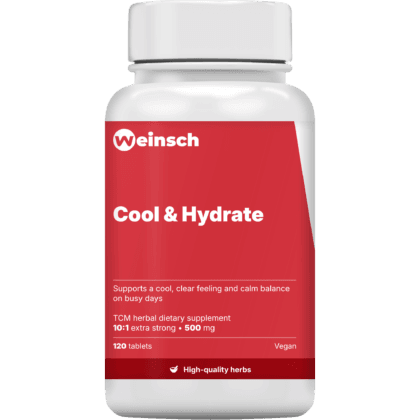
€ 25,50

Cool & Hydrate
-
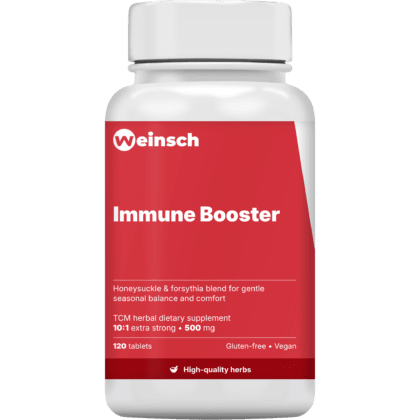
€ 25,50

Immune Booster
-
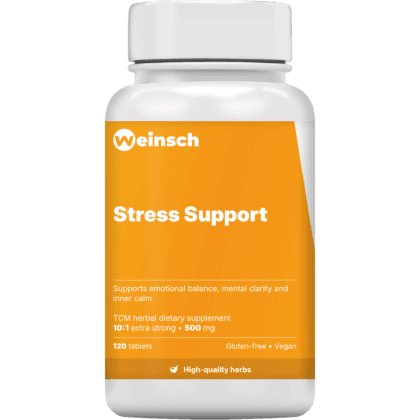
€ 29,50

Stress Support
-
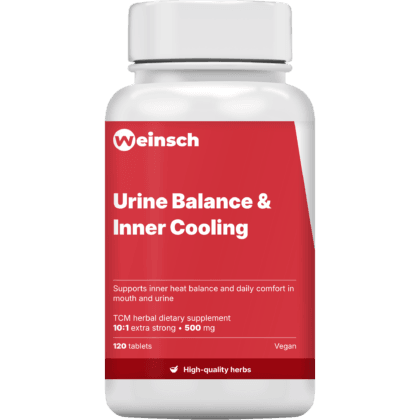
€ 25,50

Urine Balance & Inner Cooling
Dan Zhu Ye
Bamboo Leaves (Dan Zhu Ye) – The Botanical Used in Traditional Systems to Clear Heat and Soothe Irritability
Bamboo leaves (Dan Zhu Ye) is the traditional Chinese medicine name for the dried leaves and stems of Lophatherum gracile (often referred to as pale bamboo leaves), a light and refreshing botanical that has been a staple in East Asian herbal systems for centuries. It is regarded as an herb with cooling and calming properties, particularly suitable for formulas aimed at emotional tranquility, urinary comfort, and clearing internal warmth.
Traditional Understanding in TCM Systems
Within traditional Chinese medicine, bamboo leaves (Dan Zhu Ye) are described as a light, refreshing substance with sweet, bland, and cold properties. In the TCM theoretical framework, it acts primarily on the Heart, Stomach, and Small Intestine meridians. According to this traditional description, bamboo leaves (Dan Zhu Ye) clear “Heat,” relieve irritability, and gently promote urination to flush out warmth. When emotional stress or dietary imbalances cause heat to accumulate in the upper body, discomforts like restlessness, a flushed face, or dark, scanty urine can arise. Bamboo leaves (Dan Zhu Ye) help perform a gentle “cooling and flushing” effect.
In TCM formulas, bamboo leaves (Dan Zhu Ye) are seen as a botanical that helps promote normal fluid balance and soothe the mind. It is traditionally used to alleviate oral discomfort, calm a restless or agitated mood, and foster general physical comfort by guiding internal heat downward and out of the body.
Botanical Composition and Research
Bamboo leaves (Dan Zhu Ye) contain a rich profile of beneficial plant compounds, primarily flavonoids (such as orientin and isoorientin), triterpenoids, polysaccharides, and various amino acids. This phytochemical profile is connected in traditional applications with the physical cooling of tissues and the promotion of urinary tract vitality.
Modern scientific research shows that Lophatherum extracts can offer specific benefits. Studies show that bamboo leaves (Dan Zhu Ye) preparations:
-
Possess strong antioxidant properties and combat oxidative stress
-
Can have mild diuretic actions to help flush out metabolic waste
-
Can support normal urinary tract function and fluid balance
-
Can promote the relaxation of the nervous system to ease restlessness
-
Can work supportively on soothing irritated oral mucous membranes
-
Contain flavonoids that may protect cellular health and vascular function
-
Are used in traditional formulas with enhanced effects on physical cooling
Scientists particularly investigate how the flavonoid and polysaccharide components of the leaves can contribute to normal inflammatory responses and the body’s natural cellular protection against heat-related stressors.
Traditional Applications – TCM Context
In traditional TCM formulas, bamboo leaves (Dan Zhu Ye) are classically used in situations described as:
-
Restlessness, irritability, or an agitated mood tied to internal heat
-
Mouth or tongue discomfort, such as sensitivity or localized redness
-
Dark, scanty, or uncomfortable urination
-
Excessive thirst or a dry mouth sensation
-
Flushed skin or a feverish feeling during warm weather
-
A general feeling of being “hot and bothered” due to stress
These are traditionalist descriptions that form part of the TCM thinking system and must not be equated with medical diagnoses in the sense of European medicinal product law.
Well-being and Daily Use
Bamboo leaves (Dan Zhu Ye) are valued by modern users as part of a conscious wellness routine aimed at physical cooling and emotional calm, especially during hot summer months or periods of high stress. The herb works optimally as a refreshing herbal infusion or in balanced mixtures, combined with adequate water intake, a diet rich in cooling, hydrating foods (like cucumber or melon), and stress-management practices.
Many users see bamboo leaves (Dan Zhu Ye) as part of a holistic approach to thermal balance and mental tranquility – as a supportive element in traditional routines, alongside professional guidance and regular medical care when needed.