-
€ 16,00

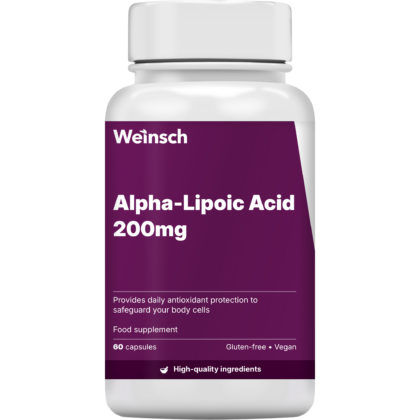
Alpha-Lipoic Acid 200mg
-
€ 20,00

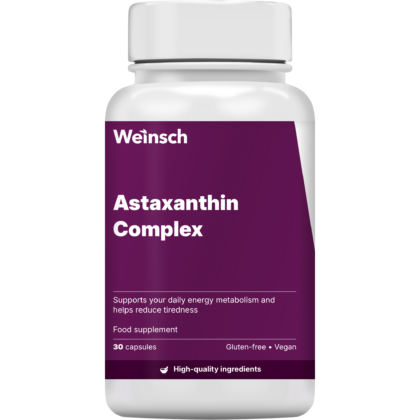
Astaxanthin Complex
-
€ 12,00

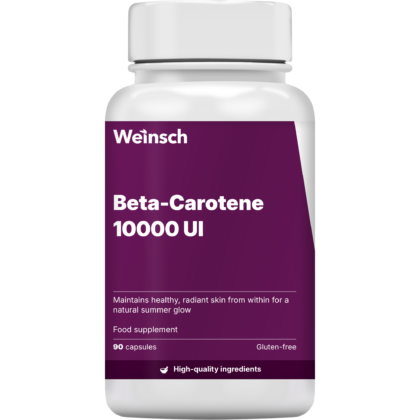
Beta-Carotene 10000 UI
-
€ 28,00

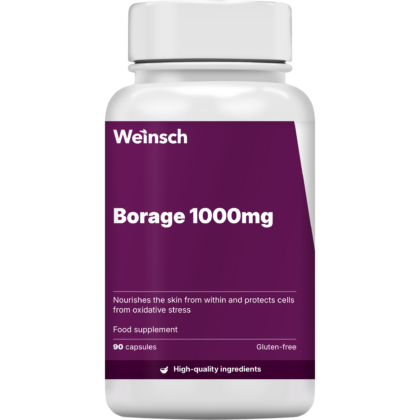
Borage 1000mg
-
€ 25,00

Brain Support Complex
-
€ 18,00

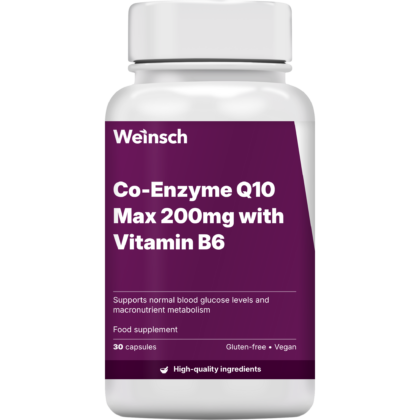
Co-Enzyme Q10 Max 200mg with Vitamin B6
-
€ 10,00

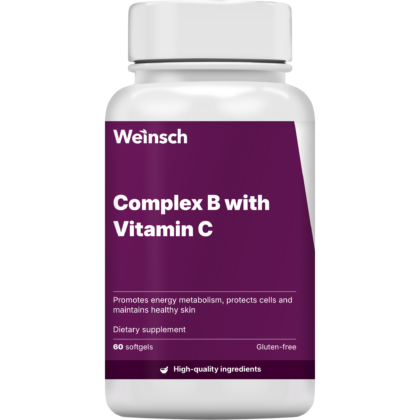
Complex B with Vitamin C
-
€ 18,00

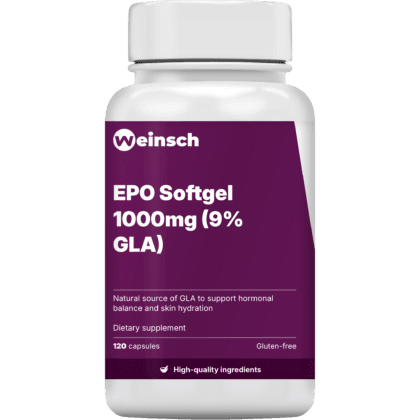
EPO Softgel 1000mg (9% GLA)
-
€ 20,00

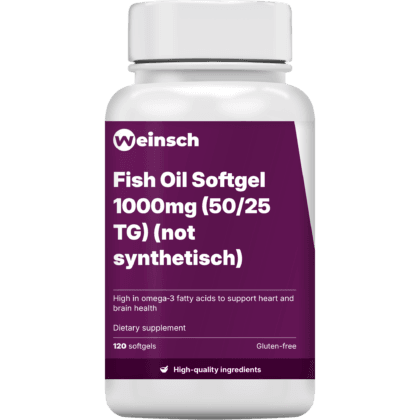
Fish Oil Softgel 1000mg (50/25 TG) (not synthetisch)
-
€ 20,00

Immune Support Premium Bee Complex
-
€ 16,00

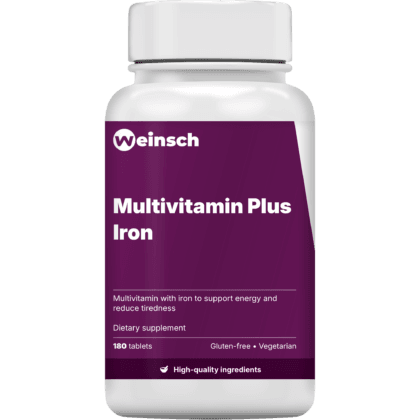
Multivitamin Plus Iron
-
€ 12,00

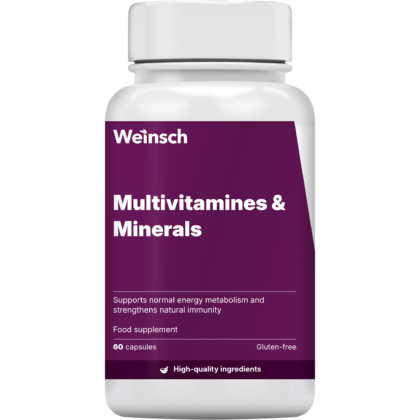
Multivitamines & Minerals
D,l-α-shēngyù fén cù suān zhǐ
Vitamin E (DL-Alpha Tocopheryl Acetate) – Stable synthetic antioxidant for cellular and lipid protection
Vitamin E (DL-alpha tocopheryl acetate) is a synthetic, stabilized form of vitamin E commonly used in dietary supplements and fortified products. It is mainly included for its antioxidant role: it helps protect body cells, especially fat-rich structures such as cell membranes, from oxidative stress as part of a balanced lifestyle.
Characteristics, Origin, and Composition
The term “DL” indicates that this is the synthetic form, as opposed to the natural form usually listed as D-alpha-tocopherol or RRR-alpha-tocopherol. The “acetate” form is selected because it is more stable during manufacturing and storage than free tocopherol, which makes it useful in capsules, tablets, and multivitamins. In the body, this ester is first converted into the active tocopherol form before carrying out its physiological role.
Use in Dietary Supplements
Vitamin E as DL-alpha tocopheryl acetate is commonly used:
-
In multivitamins and antioxidant blends, for general cellular protection.
-
In skin, beauty, and healthy-aging formulas, because vitamin E is well known for helping protect lipids and skin structures.
-
In combinations with vitamin C, selenium, or coenzyme Q10, since these ingredients are often grouped in antioxidant complexes.
-
In products containing oils or fatty acids, because vitamin E can also help protect fat-based ingredients from oxidation.
Everyday Use and Well-Being
Because vitamin E is fat-soluble, it is generally best taken with a meal that contains some fat. This form is usually well tolerated at standard dosages, but long-term high intake is not always advisable. People who use blood thinners or have clotting-related conditions should use extra caution and seek medical guidance.