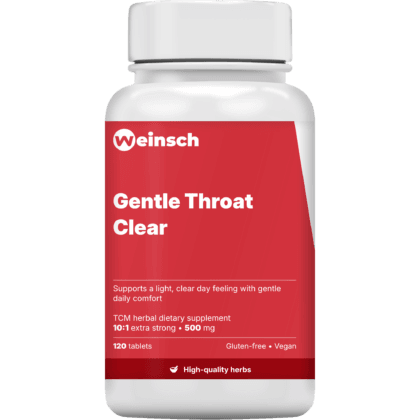
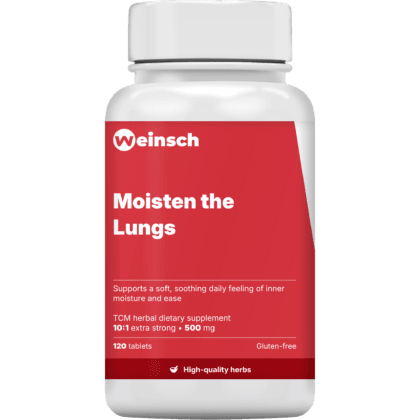
-
€ 25,50

Gentle Throat Clear
-
€ 29,50
Moisten the Lungs
White Mulberry Leaf
White Mulberry Leaf (Sang Ye) – The Botanical Used in Traditional Systems to Disperse Wind-Heat and Brighten the Eyes
White mulberry leaf (Sang Ye) is the traditional Chinese medicine name for the dried leaf of Morus alba. While the mulberry tree is globally famous as the sole food source for the silkworm, its crisp, cooling leaves have been highly prized in East Asian herbal systems for centuries. The leaf is uniquely valued for its lightweight, ascending nature, which helps clear hot, inflammatory energy from the upper body, soothe the respiratory tract, and support metabolic health.
Traditional Understanding in TCM Systems
Within traditional Chinese medicine, white mulberry leaf (Sang Ye) is described as a sweet, bitter, and cold botanical with a clearing character. In the TCM theoretical framework, it acts primarily on the Lung and Liver meridians. According to this traditional description, white mulberry leaf (Sang Ye) supports “dispersing Wind-Heat” and “clearing the Liver and brightening the eyes” – crucial TCM concepts for resolving sudden hot, dry symptoms that affect the head, throat, and respiratory system.
White mulberry leaf (Sang Ye) is seen in TCM as a gentle cooling agent that “moistens Lung dryness,” “cools the Blood,” and “calms Liver Yang.” It is traditionally used to promote normal respiratory comfort during seasonal transitions, ease red or tired eyes, and help the body resolve the feverish, dry stagnation associated with early-stage immune challenges.
Biological Composition and Research
White mulberry leaf (Sang Ye) contains numerous biologically active substances, of which the main ones are:
-
1-deoxynojirimycin (DNJ) – a unique alkaloid compound widely studied for its metabolic properties
-
Flavonoids (such as rutin and quercetin) – plant-based antioxidants that protect against cellular stress
-
Polysaccharides – complex carbohydrates that support immune function and tissue hydration
-
Amino acids (including GABA) – essential building blocks for neurological and cellular health
-
Volatile essential oils – aromatic compounds that provide a mild cooling effect
Modern scientific research shows that white mulberry leaf (Sang Ye) components can offer diverse benefits:
-
Metabolic support: Research suggests that the unique DNJ alkaloid helps regulate how the body processes carbohydrates, supporting normal blood sugar balance.
-
Respiratory comfort: Studies indicate that the active compounds can help soothe inflamed mucous membranes in the throat and lungs.
-
Visual health: The high antioxidant content provides cellular protection for ocular tissues, aligning with its traditional use for dry, tired eyes.
-
Anti-inflammatory effects: Certain components provide supportive action for maintaining a normal inflammation balance during seasonal immune challenges.
-
Cardiovascular wellness: Traditional use and modern observation point to a role in supporting healthy blood pressure and vascular tone.
Traditional Applications – TCM Context
In traditional TCM formulas, white mulberry leaf (Sang Ye) is classically used in situations described as:
-
Fever, mild chills, or a sore throat linked to a sudden onset of Wind-Heat
-
A dry, scratchy cough accompanied by a dry mouth and respiratory irritation
-
Red, swollen, or painful eyes associated with Liver fire or environmental irritants
-
Dizziness or a throbbing headache caused by upward-flaring Liver Yang
-
Mild, heat-induced skin rashes or a tendency for minor bleeding
These are traditionalist descriptions that form part of the TCM thinking system and must not be equated with medical diagnoses in the sense of European medicinal product law.
Well-being and Daily Use
White mulberry leaf (Sang Ye) is valued by modern users as a versatile, functional botanical aimed at respiratory clarity, visual comfort, and metabolic harmony. Because of its light, pleasant taste and gentle cooling nature, the leaf is frequently brewed into a refreshing daily wellness tea, often combined with chrysanthemum flowers to support eye health. It is particularly popular during the dry autumn months or among individuals seeking natural support for their blood sugar balance.
Many users see white mulberry leaf (Sang Ye) as a clearing, harmonizing element in traditional routines – especially for dispersing upper-body heat and supporting metabolic vitality – alongside regular medical care when needed.