Retinyl Acetate – A stable and highly effective form of Vitamin A for skin and immune support
Retinyl acetate (also known as retinol acetate or vitamin A acetate) is a synthetic, fat-soluble compound created by combining retinol (vitamin A) with acetic acid. This specific ester form is extensively used in both dietary supplements and topical cosmetics because it offers significantly greater stability compared to free retinol. Vitamin A is an essential nutrient required for maintaining healthy skin, normal vision, and a robust immune system.
Characteristics, Origin, and Composition
In its free form, retinol is highly unstable and easily degrades when exposed to heat, light, and oxygen. By chemically attaching an acetyl group to the retinol molecule, manufacturers create the ester retinyl acetate. This modification protects the molecule’s alcohol functionality, allowing the ingredient to remain potent in capsules and creams for much longer without oxidizing. Upon ingestion (or application to the skin), the human body’s enzymes rapidly hydrolyze the ester bond, converting it back into biologically active retinol that the body can use. Retinyl acetate is highly regarded for its high activity per milligram, making it an efficient and potent source of vitamin A.
Use in Dietary Supplements and Cosmetics
Retinyl acetate is commonly used:
-
In multivitamin complexes and standalone vitamin A supplements to prevent deficiencies, bolster immune function, and support eye health.
-
In skincare and anti-aging cosmetics, where it helps reduce the appearance of fine lines, wrinkles, and photodamage by promoting skin cell turnover and normalization.
-
For food fortification programs to safely enrich basic foods with stable vitamin A.
Everyday Use and Well-Being
In dietary supplements, typical dosages range from 500 to 1200 micrograms per serving, which safely provides a substantial portion of the recommended daily intake. Because vitamin A is fat-soluble, the body stores excess amounts (primarily in the liver). Therefore, it is crucial not to exceed the safe upper intake levels to prevent toxicity (hypervitaminosis A). Pregnant women, in particular, are generally advised to avoid high-dose vitamin A supplements. Dietary supplements do not replace a balanced diet or professional medical treatment
-
€ 16,00

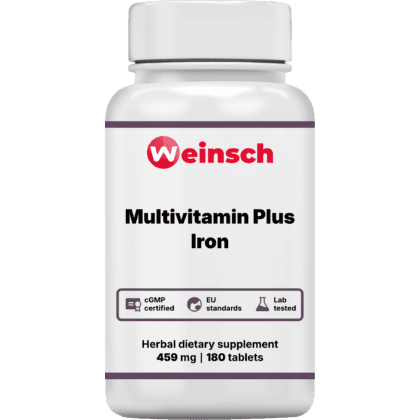
Multivitamin Plus Iron
-
€ 12,00

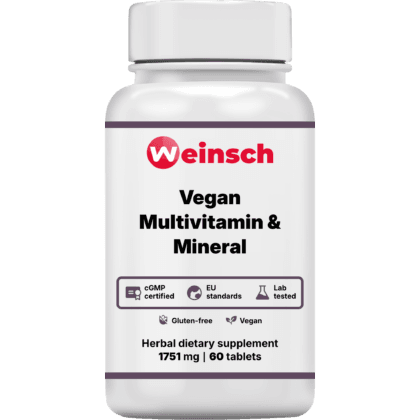
Vegan Multivitamin & Mineral Tablets