-
€ 25,50

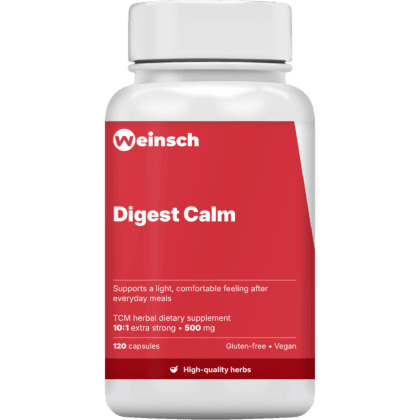
Digest Calm
-
€ 25,50
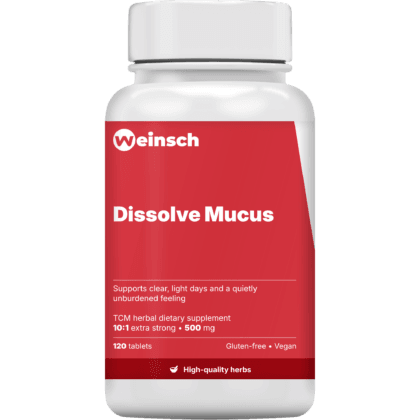
Dissolve Mucus
Radish Seed
Radish Seed (Lai Fu Zi) – The Seed Used in Traditional Systems to Support Digestion, Descend Qi and Transform Phlegm
Radish seed (Lai Fu Zi) is the traditional Chinese medicine name for the dried mature seed of Raphanus sativus L., a common plant of the mustard family (Brassicaceae) cultivated worldwide, used in traditional East Asian herbal systems for over 2000 years. It is regarded as an acrid, sweet and neutral herbal seed particularly suitable for formulas aimed at reducing food stagnation, directing energy downward to relieve bloating, and transforming stubborn phlegm in the respiratory tract.
Traditional Understanding in TCM Systems
Within traditional Chinese medicine, radish seed (Lai Fu Zi) is described as an acrid and sweet herb with neutral, descending properties. In the TCM theoretical framework, it acts on the so-called Spleen, Stomach and Lung meridians. According to this traditional description, radish seed (Lai Fu Zi) reduces so-called “Food Stagnation” – an accumulation of undigested food causing abdominal fullness – and directs so-called “rebellious Qi” downward. When Stomach or Lung energy fails to descend, it can result in foul belching, acid regurgitation, or coughing and wheezing from accumulated “Phlegm.” Radish seed (Lai Fu Zi) helps perform this “descending, resolving and clearing” effect.
In TCM formulas, radish seed (Lai Fu Zi) is seen as a versatile seed that helps support normal digestive transit, break down heavy meals and clear respiratory congestion. It is traditionally used to promote comfortable digestion, ease bloating and foul-smelling belching, reduce coughing accompanied by copious phlegm, and foster general harmony by keeping the gastrointestinal and respiratory pathways clear.
Botanical Composition and Research
Radish seed (Lai Fu Zi) contains primarily fatty acids (including erucic acid and linoleic acid), glucosinolates (such as glucoraphenin, which converts to sulforaphene), alkaloids (including sinapine), flavonoids, essential oils and various proteins. This phytochemical profile is connected in traditional applications with support for normal gastrointestinal motility, respiratory secretion balance and cellular antioxidant defence.
Modern scientific research shows that radish seed (Lai Fu Zi) preparations can offer specific benefits. Studies show that radish seed (Lai Fu Zi):
-
Possesses significant antimicrobial and antioxidant activity through its glucosinolate content
-
Can have expectorant action, supporting the clearance of phlegm from the lungs
-
Can support normal gastric emptying and healthy gastrointestinal motility
-
Can work supportively on normal inflammatory balance in respiratory and digestive tissues
-
Can support normal blood pressure and lipid metabolism
-
Can possess mild antimicrobial properties relevant to gut flora balance
-
Is used in traditional formulas to relieve bloating, belching and respiratory congestion
Scientists particularly investigate how the glucosinolates and alkaloid components of Raphanus sativus seeds can contribute to normal gastrointestinal transit times, normal respiratory mucosal clearance and normal metabolic regulation.
Traditional Applications – TCM Context
In traditional TCM formulas, radish seed (Lai Fu Zi) is classically used in situations described as:
-
Fullness, bloating or a distended sensation in the abdomen after eating
-
Foul-smelling belching or acid regurgitation associated with overeating
-
Sluggish bowel movements or constipation linked to food stagnation
-
Chronic coughing accompanied by copious, thick phlegm
-
Wheezing or shortness of breath associated with phlegm accumulation
-
Loss of appetite due to a heavy or blocked feeling in the stomach
-
Abdominal pain or cramping that is relieved by passing gas or a bowel movement
-
Digestive upset following the consumption of heavy, starchy meals
These are traditionalist descriptions that form part of the TCM thinking system and must not be equated with medical diagnoses in the sense of European medicinal product law.
Well-being and Daily Use
Radish seed (Lai Fu Zi) is valued by modern users as part of a conscious wellness routine aimed at digestive resilience, post-meal comfort and respiratory clarity, especially during holidays, periods of dietary indulgence or when seasonal changes bring on phlegm-related coughing. The seed works optimally in balanced herbal mixtures (often lightly toasted before use to enhance its digestion-promoting qualities), combined with mindful eating habits, thorough chewing, adequate hydration and light physical movement after meals.
Many users see radish seed (Lai Fu Zi) as part of a targeted approach to digestive transit and phlegm resolution – as a supportive element in traditional routines, alongside professional guidance and regular medical care when needed.