-
€ 25,50

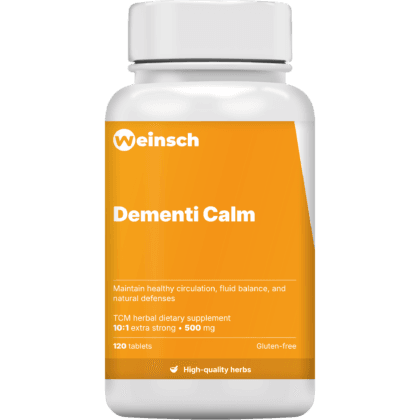
Dementi Calm
-
€ 26,00

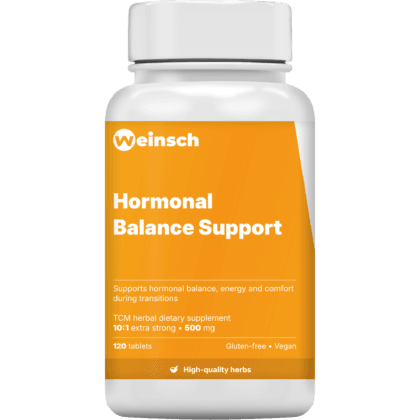
Hormonal Balance Support
-
€ 29,50

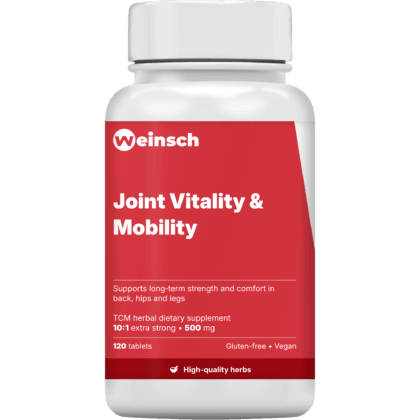
Joint Vitality & Mobility
-
€ 33,50

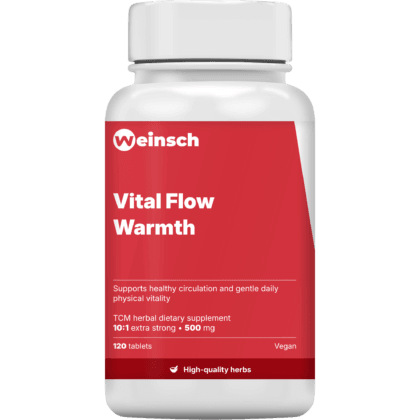
Vital Flow Warmth
Psoralea Fruit
Psoralea Fruit (Bu Gu Zhi) – The Botanical Used in Traditional Systems to Warm the Kidneys and Support Vitality
Psoralea fruit (Bu Gu Zhi) is the traditional Chinese medicine name for the dried ripe seeds of Psoralea corylifolia, a robust botanical that has been a cornerstone in East Asian herbal systems for centuries. It is regarded as an herb with intensely warming and strengthening properties, particularly suitable for formulas aimed at foundational vitality, lower back comfort, and digestive warmth.
Traditional Understanding in TCM Systems
Within traditional Chinese medicine, psoralea fruit (Bu Gu Zhi) is described as a pungent, bitter, and very warm substance. In the TCM theoretical framework, it acts primarily on the Kidney and Spleen meridians. According to this traditional description, psoralea fruit (Bu Gu Zhi) tonifies “Kidney Yang” (the body’s foundational warming energy) and warms “Spleen Yang” (the digestive fire). When foundational Yang is depleted, discomforts like deep coldness, morning digestive urgency, or lower back weakness can arise. Psoralea fruit (Bu Gu Zhi) helps perform a dynamic “warming and consolidating” effect.
In TCM formulas, psoralea fruit (Bu Gu Zhi) is seen as a botanical that helps promote normal urinary control and stable digestion. It is traditionally used to alleviate profound physical chill, support respiratory depth by helping the body “grasp” energy, and foster general physical resilience by intensely warming the internal core.
Botanical Composition and Research
Psoralea fruit (Bu Gu Zhi) contains a rich profile of bioactive compounds, primarily coumarins (such as psoralen and isopsoralen), flavonoids, and meroterpenes (notably bakuchiol). This phytochemical profile is connected in traditional applications with the physical strengthening of tissues and the promotion of skeletal vitality.
Modern scientific research shows that Psoralea corylifolia extracts can offer specific benefits. Studies show that psoralea fruit (Bu Gu Zhi) preparations:
-
Possess strong antioxidant properties and combat cellular oxidative stress
-
Can support normal bone density and skeletal remodeling processes
-
Can have mild anti-inflammatory actions for joint and tissue comfort
-
Can promote healthy cellular turnover and skin vitality
-
Can work supportively on normal urinary and reproductive tract function
-
Contain bakuchiol and psoralen that may protect delicate cellular structures
-
Are used in traditional formulas with enhanced effects on foundational energy
Scientists particularly investigate how the coumarin and meroterpene components of the seed can contribute to normal endocrine function and the body’s natural resilience against age-related physical decline.
Traditional Applications – TCM Context
In traditional TCM formulas, psoralea fruit (Bu Gu Zhi) is classically used in situations described as:
-
Lower back or knee weakness accompanied by a profound feeling of cold
-
Frequent, clear urination or difficulty maintaining urinary control, especially at night
-
Morning digestive urgency or loose stools linked to internal coldness
-
Respiratory fatigue or shortness of breath tied to weak foundational energy
-
General physical exhaustion and lethargy from depleted internal warmth
-
Skin conditions requiring internal nourishment and cellular turnover
These are traditionalist descriptions that form part of the TCM thinking system and must not be equated with medical diagnoses in the sense of European medicinal product law.
Well-being and Daily Use
Psoralea fruit (Bu Gu Zhi) is valued by modern users as part of a conscious wellness routine aimed at skeletal health and foundational vitality, especially as they age or during deep winter months. Due to its intensely warm nature, the herb works optimally in carefully balanced herbal mixtures, combined with adequate hydration, a warming, cooked diet, and the avoidance of excessively cold or raw foods that could dampen the digestive fire.
Many users see psoralea fruit (Bu Gu Zhi) as part of a holistic approach to physical resilience and thermal balance – as a supportive element in traditional routines, alongside professional guidance and regular medical care when needed.