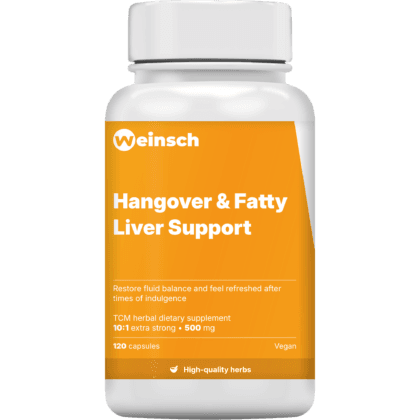
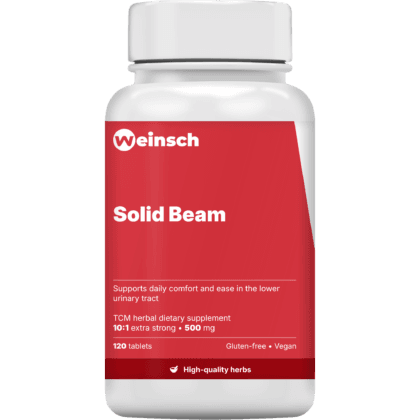
-
€ 27,50

Hangover & Fatty Liver Support
-
€ 25,50

Solid Beam
Polyporus
Polyporus (Zhu Ling) – The Medicinal Mushroom Used in Traditional Systems to Support Fluid Balance and Urinary Comfort
Polyporus (Zhu Ling), also known as “Polyporus Mushroom,” is the traditional Chinese medicine name for the dried sclerotium of Polyporus umbellatus – the underground, compact fungal body of a medicinal mushroom that has been used in East Asian herbal systems for well over 2000 years. This unique fungal material is particularly known for its role in traditional formulas intended to support normal fluid metabolism, promote urinary comfort, and help the body manage excess internal dampness.
Traditional Understanding in TCM Systems
Within traditional Chinese medicine, polyporus (Zhu Ling) is described as a sweet, bland, and neutral herb with a draining character. In the TCM theoretical framework, it acts on the so‑called Kidney and Bladder meridians. According to this traditional description, polyporus (Zhu Ling) supports “leaching out Dampness” and “promoting urination” – important TCM concepts related to the normal movement and elimination of fluids.
Polyporus (Zhu Ling) is seen in TCM as a medicinal mushroom that “drains Dampness,” “opens the water pathways,” and supports the normal transformation and excretion of fluids. It is traditionally used to promote normal urinary flow, support a comfortable fluid balance, ease dampness-related heaviness, and support overall lower-body comfort.
Biological Composition and Research
Polyporus (Zhu Ling) contains numerous biologically active substances, of which the main ones are:
-
Polysaccharides (especially ββ-glucans) – structural and immune-active fungal compounds
-
Ergosterol and sterol derivatives – fungal membrane components
-
Triterpenes – secondary compounds associated with metabolic activity
-
Proteins and amino acids – structural building blocks
-
Organic acids – metabolic constituents
-
Trace minerals (including potassium, magnesium, calcium, and phosphorus)
Modern scientific research shows that polyporus (Zhu Ling) components can offer diverse benefits:
-
Diuretic support: Research suggests that polyporus (Zhu Ling) can support normal urine output and healthy fluid elimination, which aligns with its longstanding traditional use for fluid balance.
-
Anti-inflammatory effects: Studies indicate that certain mushroom compounds may help support normal inflammation balance, particularly in urinary and renal tissues.
-
Antioxidant activity: Polyporus (Zhu Ling) contains antioxidant compounds that may help protect cells against free radicals.
-
Immune support: Fungal polysaccharides, especially ββ-glucans, are being studied for their supportive role in normal immune function.
-
Kidney support: Modern investigations suggest that some components may help support normal kidney tissue resilience and fluid regulation.
-
Microcirculation support: Research suggests a possible supportive effect on normal circulation and tissue fluid movement.
-
Metabolic fluid regulation: Traditional use and modern study both point to a role in helping the body maintain normal internal water distribution.
Traditional Applications – TCM Context
In traditional TCM formulas, polyporus (Zhu Ling) is classically used in situations described as:
-
Difficult, reduced, or uncomfortable urination
-
Water retention or a feeling of swelling and heaviness
-
Dampness-related loose stools or digestive sluggishness
-
A sensation of heaviness in the lower body
-
Supporting normal urinary comfort during humid conditions
-
Supporting normal fluid elimination and lower-body balance
These are traditionalist descriptions that form part of the TCM thinking system and must not be equated with medical diagnoses in the sense of European medicinal product law.
Well-being and Daily Use
Polyporus (Zhu Ling) is valued by modern users as part of a conscious wellness routine aimed at fluid balance, urinary comfort, and lightness of the body, especially during humid weather, sedentary periods, or times when they wish to support healthy water metabolism. The mushroom works optimally in decoctions, in formulas, or as part of broader wellness routines focused on hydration, regular movement, and balanced nutrition.
Many users see polyporus (Zhu Ling) as part of a seasonal and everyday health practice – especially for supporting comfort during damp or heavy-feeling periods – as a supportive element in traditional routines, alongside professional guidance and regular medical care when needed.