-
€ 25,50

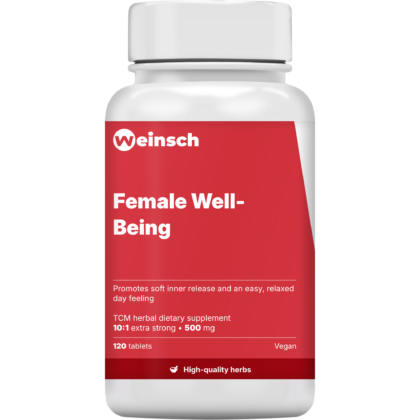
Female Well-Being
-
€ 25,50
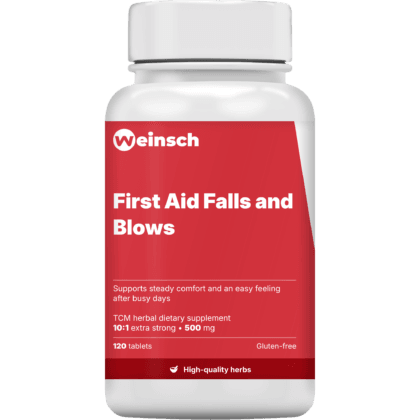
First Aid Falls and Blows
Myrrh
Myrrh (Mo Yao) – The Botanical Resin Used in Traditional Systems to Move Blood and Support Tissue Comfort
Myrrh (Mo Yao) is the traditional Chinese medicine name for the dried oleo-gum-resin exuded from the bark of Commiphora myrrha or related Commiphora species, a unique botanical substance that has been part of traditional global herbal systems for over 2000 years . It is regarded as a botanical with strongly moving and repairing properties, particularly suitable for formulas aimed at invigorating blood circulation, easing physical discomfort, and supporting tissue recovery.
Traditional Understanding in TCM Systems
Within traditional Chinese medicine, Myrrh (Mo Yao) is described as a bitter botanical substance with neutral properties . In the TCM theoretical framework, it acts on the so-called Heart, Liver, and Spleen meridians . According to this traditional description, Myrrh “Invigorates Blood and Dispels Stasis” and “Reduces Swelling and Generates Flesh” – TCM concepts that stand for clearing deep energetic blockages, restoring healthy blood flow to traumatized areas, and promoting the natural healing of tissues . When blood stagnates due to trauma, cold, or internal imbalances, related discomforts such as sharp, localized pain, swelling, and menstrual cramps can arise . Myrrh helps perform this dispersing, unblocking, and healing effect.
In TCM formulas, Myrrh (Mo Yao) is seen as a botanical that helps support normal microcirculation, ease structural tension, and soothe deep tissue injuries . It is traditionally used to promote physical ease after accidents, relieve menstrual stagnation, reduce hard swellings, and foster a swift, natural recovery of the skin and underlying tissues.
Botanical Composition and Research
Myrrh (Mo Yao) contains primarily volatile essential oils (most notably furanosesquiterpenes), alcohol-soluble resins (such as commiphoric acids), and water-soluble gums . This highly aromatic, resinous profile is connected in traditional applications with support for normal inflammatory balance and cellular regeneration.
Modern scientific research shows that Myrrh extracts can offer specific benefits. Studies show that Myrrh (Mo Yao) preparations:
-
Possess strong analgesic (pain-relieving) properties that help support normal physical comfort
-
Have a significant anti-inflammatory action, particularly beneficial for muscle, joint, and mucosal tissues
-
Can promote normal wound healing and support cellular repair mechanisms
-
Possess broad-spectrum antimicrobial and antibacterial activity
-
Can support normal blood circulation and microcirculation in traumatized tissues
-
Possess antioxidant activity to help combat free radicals and oxidative stress
Scientists particularly investigate how the furanosesquiterpenes and resinous compounds in Myrrh can modulate pain receptors and inflammatory pathways to contribute to natural tissue recovery .
Traditional Applications – TCM Context
In traditional TCM formulas, Myrrh (Mo Yao) is classically used in situations described as:
-
Sharp, localized pain or swelling associated with trauma, falls, or sports injuries
-
Menstrual discomfort, severe cramps, or irregular cycles associated with blood stasis
-
Joint stiffness, heavy discomfort, or restricted mobility
-
Slow-healing skin sores, ulcerations, or localized redness
-
Abdominal or chest pain related to stagnant energy and blood
These are traditionalist descriptions that form part of the TCM thinking system and must not be equated with medical diagnoses in the sense of European medicinal product law.
Well‑being and Daily Use
Myrrh (Mo Yao) is valued by modern users as part of a conscious wellness routine aimed at physical recovery, joint mobility, and menstrual comfort, especially when recovering from physical exertion, sports injuries, or stagnant pelvic tension. The resin works optimally in balanced herbal mixtures (often paired with Frankincense), combined with adequate physical rest, gentle movement therapies, and a healthy lifestyle.
Many users see Myrrh (Mo Yao) as part of a targeted approach to structural health and circulatory flow – as a supportive element in traditional routines, alongside professional guidance and regular medical care when needed.