-
€ 27,50

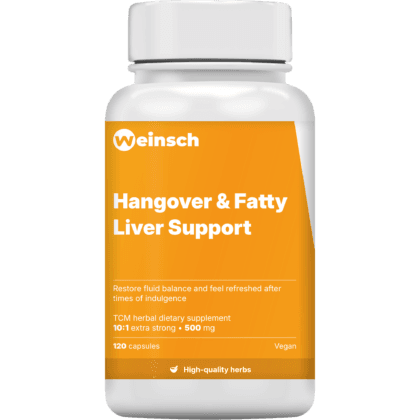
Hangover & Fatty Liver Support
-
€ 25,50

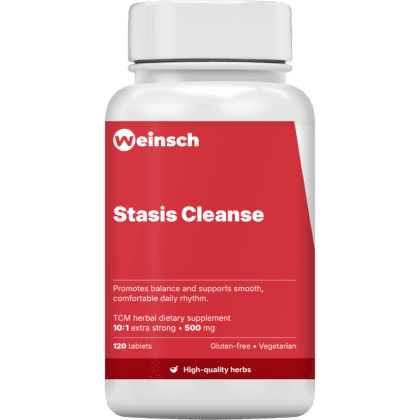
Stasis Cleanse
Costus Root
Costus Root (Mu Xiang) – The Botanical Used in Traditional Systems to Support Digestive Comfort and Smooth Energy Flow
Costus root (Mu Xiang) is the traditional Chinese medicine name for the dried root commonly identified as Aucklandia root, especially Aucklandia lappa / Saussurea costus, and it is used in traditional Chinese herbal practice as a Qi-regulating botanical. It is regarded as a warm, pungent and bitter herb that is especially associated with digestive comfort, abdominal movement and the relief of stagnation-related discomfort.
Traditional Understanding in TCM Systems
Within traditional Chinese medicine, costus root (Mu Xiang) is described as warm in nature and bitter and pungent in taste. In the TCM theoretical framework, it is commonly said to act on the Gallbladder, Large Intestine, Liver, Lung, Spleen and Stomach meridians. According to this traditional description, costus root (Mu Xiang) helps regulate the so-called “Qi” – a TCM concept that refers to functional movement and flow in the body. When Qi becomes constrained, especially in the digestive system, symptoms such as bloating, abdominal pain, poor appetite, nausea and diarrhea may arise.
In TCM formulas, costus root (Mu Xiang) is seen as a botanical that helps move stagnated Qi, relieve pain, strengthen the Spleen and promote digestion. It is traditionally used to support abdominal comfort, reduce distention, ease intestinal cramping and help the body manage food stagnation and urgency in the bowels.
Botanical Composition and Research
Costus root (Mu Xiang) is used as an aromatic root, and traditional descriptions note its distinctive woody scent and historical use of the root oil in trade and perfumery. Modern reports discussing the herb describe studies on Saussurea lappa / Aucklandia root that have noted anticancer and antifungal activity, as well as research interest related to diabetes and the inhibition of stomach ulcers.
Modern scientific research shows that costus root extracts can offer specific areas of interest. Studies and modern herb references describe that costus root (Mu Xiang) preparations:
-
Can support digestion and help relieve nausea.
-
Are traditionally associated with reducing bloating, abdominal pain and intestinal cramping.
-
Can support appetite when digestive Qi is constrained.
-
Are traditionally used for diarrhea and tenesmus-like intestinal urgency.
-
Have been described in modern reports as showing antifungal activity.
-
Have been described in modern reports as being studied for anticancer-related effects.
-
Have also been discussed in relation to stomach-ulcer inhibition and diabetes-related research.
Scientists and modern herbal writers particularly focus on how Mu Xiang may support gastrointestinal function and help restore smoother digestive movement when stagnation is present.
Traditional Applications – TCM Context
In traditional TCM formulas, costus root (Mu Xiang) is classically used in situations described as:
-
Nausea, bloating or abdominal distention.
-
Abdominal pain or intestinal cramping.
-
Poor appetite and sluggish digestion.
-
Diarrhea or bowel urgency with a stagnant or weak digestive pattern.
-
Food stagnation and a feeling of fullness after eating.
-
Flank or rib-side discomfort linked in TCM to Liver or Gallbladder Qi stagnation.
These are traditionalist descriptions that form part of the TCM thinking system and must not be equated with medical diagnoses in the sense of European medicinal product law.
Well-being and Daily Use
Costus root (Mu Xiang) is valued by modern users as part of a digestive-focused wellness routine, especially when they want support for bloating, gas, appetite, abdominal comfort or a heavy feeling after meals. In traditional practice, it is often used as part of formulas rather than only as a stand-alone ingredient, particularly when the goal is to regulate Qi and improve digestive flow.
Many users see costus root (Mu Xiang) as part of a broader approach to digestive balance and meal comfort – as a supportive element in traditional routines, alongside professional guidance and regular medical care when needed.