-
€ 34,50

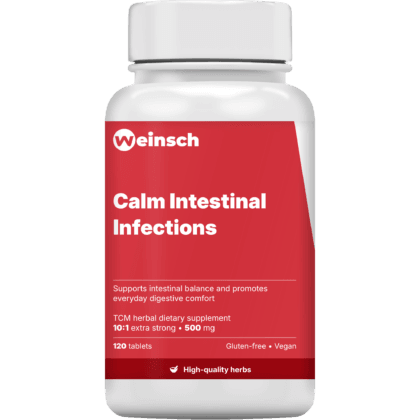
Calm Intestinal Infections
Ash Bark
Ash Bark (Qin Pi) – The Bark Used in Traditional Systems to Support Cooling, Digestive Comfort and Eye Clarity
Ash bark (Qin Pi) is the traditional Chinese medicine name for the dried bark of Fraxinus rhynchophylla Hance, Fraxinus chinensis Roxb., Fraxinus stylosa Lingelsh. or Fraxinus bungeana DC., deciduous ash trees native to China and East Asia, used in traditional East Asian herbal systems for over 2000 years. It is regarded as a bitter, cooling herbal bark particularly suitable for formulas aimed at clearing heat and dampness, supporting digestive comfort, promoting eye clarity and calming heat-related discomforts.
Traditional Understanding in TCM Systems
Within traditional Chinese medicine, ash bark (Qin Pi) is described as a bitter and astringent herb with strong cooling and drying properties. In the TCM theoretical framework, it acts on the so-called Liver, Gallbladder and Large Intestine meridians. According to this traditional description, ash bark (Qin Pi) clears so-called “Damp-Heat” – a TCM concept describing an accumulation of excess warmth and fluid stagnation – and resolves so-called “Heat Toxins” in the intestinal and ocular pathways. When Damp-Heat accumulates along these meridians, related discomforts such as digestive irregularity, eye redness and heat irritation can arise. Ash bark (Qin Pi) helps perform this “clearing and drying” effect.
In TCM formulas, ash bark (Qin Pi) is seen as a bark that helps support normal digestive function, clear Liver heat affecting the eyes, and resolve damp-heat accumulations in the large intestine. It is traditionally used to promote comfortable digestion, support normal eye clarity, reduce heat-related vaginal or urinary discomfort, and foster general cooling and drying balance.
Botanical Composition and Research
Ash bark (Qin Pi) contains primarily coumarins (including aesculin, aesculetin, fraxin and fraxetin), iridoid glycosides, flavonoids, tannins, phenolic acids (including caffeic acid and chlorogenic acid), mannitol and phytosterols. This phytochemical profile is connected in traditional applications with support for normal inflammatory balance, digestive regularity and eye tissue health.
Modern scientific research shows that ash bark (Qin Pi) preparations can offer specific benefits. Studies show that ash bark (Qin Pi):
-
Possesses significant antioxidant activity through its coumarin and phenolic content
-
Can have anti-inflammatory action, particularly relevant to intestinal and ocular tissues
-
Can possess antimicrobial and antibacterial activity relevant to digestive and urinary health
-
Can support normal uric acid metabolism, relevant to joint comfort
-
Can work supportively on normal immune response and intestinal barrier integrity
-
Can support normal bile flow and Liver-Gallbladder function
-
Can possess astringent properties supportive of normal intestinal tone
-
Is used in traditional formulas to relieve heat-related eye discomfort and intestinal irregularity
Scientists particularly investigate how the coumarin compounds aesculin and aesculetin from ash bark can contribute to normal uric acid clearance, normal inflammatory balance in joint tissues, and normal vascular integrity in the eyes.
Traditional Applications – TCM Context
In traditional TCM formulas, ash bark (Qin Pi) is classically used in situations described as:
-
Uncomfortable bowel urgency or loose stools with a heat character
-
Burning or heat sensation in the digestive tract
-
Red, irritated or uncomfortable eye sensation
-
Eye discharge or excessive tearing with a heat character
-
Blurred vision associated with Liver heat rising to the eyes
-
Heat-related vaginal discharge or lower abdominal discomfort
-
Joint discomfort or swelling associated with damp-heat accumulation
-
General heat and restlessness in the digestive and lower body pathways
These are traditionalist descriptions that form part of the TCM thinking system and must not be equated with medical diagnoses in the sense of European medicinal product law.
Well-being and Daily Use
Ash bark (Qin Pi) is valued by modern users as part of a conscious wellness routine aimed at digestive comfort, eye clarity and internal cooling balance, especially during periods of dietary excess, warm seasons or when heat-related discomforts affect digestive and ocular well-being. The bark works optimally in balanced herbal mixtures, combined with a diet low in spicy, greasy and alcohol-rich foods, adequate hydration and mindful management of dietary habits.
Many users see ash bark (Qin Pi) as part of a long-term approach to digestive balance, eye health and damp-heat resolution – as a supportive element in traditional routines, alongside professional guidance and regular medical care when needed.