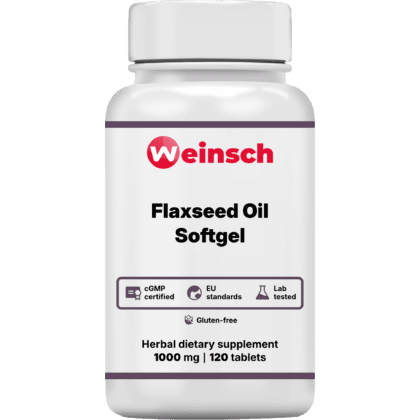
Flaxseed Oil – Plant‑Based Omega‑3 (ALA) for Normal Heart Function, Cell Membranes, Skin and Inflammatory/Oxidative BalanceFlaxseed Oil is a plant‑derived oil pressed from the seeds of flax (Linum usitatissimum) and is one of the richest dietary sources of the omega‑3 fatty acid alpha‑linolenic acid (ALA). It is not a herb but a dietary fat/nutrient used to support normal omega‑3 intake, help maintain normal cell membrane structure and fluidity, and play a role in normal cardiovascular and skin function as part of a balanced diet. In supplements, flaxseed oil is often chosen as a gentle, plant‑based omega‑3 source for adults who eat little or no fatty fish.Systems Perspective – “Plant Omega‑3 for Heart, Cells and Inflammatory Balance”In modern nutrition and systems‑based frameworks, flaxseed oil is viewed as an ALA‑rich plant oil whose fatty acids are incorporated into cell membranes and can be converted, to a limited extent, into longer‑chain omega‑3s (EPA, DHA). From this systems perspective, flaxseed oil is said to:support normal cardiovascular function through a favourable omega‑3 profile and effects on normal blood lipids,support normal composition and integrity of cell membranes,help maintain a normal inflammatory and oxidative balance,support normal skin barrier and hydration through omega‑3 incorporation into epidermal lipids.Flaxseed oil is therefore often positioned as a plant‑based “lipid balance nutrient” that shifts the overall fatty acid profile toward more omega‑3 within a healthy diet.Distinctive Feature – Very High Alpha‑Linolenic Acid (ALA) ContentFlaxseed oil differs from many other plant oils by its very high proportion of alpha‑linolenic acid (ALA, omega‑3), often reaching 50–60% or more of total fatty acids. This means that relatively small amounts of oil can meet or exceed the recommended daily intake of ALA. Unlike fish oil, flaxseed oil does not directly provide EPA or DHA; instead, ALA is partially converted in the body. As a result, flaxseed oil is particularly attractive as a foundational omega‑3 source for vegetarians, vegans and people who prefer plant‑based options.Origin and CompositionFlaxseed oil is obtained by cold‑ or warm‑pressing flax seeds, followed by filtration and, depending on the product, further refining. Its fatty acid profile is typically characterised by:very high levels of alpha‑linolenic acid (ALA, omega‑3),moderate levels of linoleic acid (omega‑6),lower levels of oleic acid (omega‑9) and saturated fats.Unrefined flaxseed oil also contains natural tocopherols (vitamin E) and other antioxidant plant compounds. For supplement use, standardised, purified oils are typically provided in softgel capsules or liquid form.Nutrient Properties – Research ContextHuman and preclinical studies investigate flaxseed oil in relation to support of several normal physiological functions, including:Normal cardiovascular function and lipid profile: supporting normal cholesterol and triglyceride levels and blood pressure as part of dietary interventions.Normal inflammatory and immune balance: ALA‑rich oils can contribute to balanced eicosanoid production and a measured, non‑exaggerated inflammatory response.Normal brain and nervous system function: omega‑3 fatty acids are important for neuronal membrane structure; ALA intake supports omega‑3 status in the context of normal physiology.Normal skin and mucosal function: supporting barrier integrity, hydration and comfort (e.g. with dry skin) via omega‑3 integration into lipid layers.Normal glucose regulation and metabolic health: improved fatty acid profiles can support normal glucose and metabolic regulation within a healthy lifestyle.These roles are always interpreted in light of the overall diet and lifestyle and do not replace medical treatment.Use in Modern Supplement FormulasFlaxseed oil is used in dietary supplements as:a plant‑based omega‑3 source in softgel capsules,a component of cardiovascular support products,part of skin, hair and “beauty‑from‑within” formulas,a plant‑based alternative to fish oil in vegan/vegetarian omega‑3 products (often alongside algae oil for EPA/DHA).Labels typically state the milligrams of flaxseed oil and the ALA content per daily serving.Dosage, Use and Temporal PatternTypical supplemental intakes range from several hundred milligrams up to a few grams of flaxseed oil per day, depending on product design and intake recommendations. One tablespoon of liquid flaxseed oil or a few softgels can easily cover daily ALA needs. Because flaxseed oil is prone to oxidation, it should be stored cool, protected from light and tightly closed; opened liquid bottles should be used within the recommended time frame. Intake is usually daily and long term, focusing on background support rather than acute effects.Warnings and Target GroupsFlaxseed oil is generally well tolerated, but several precautions apply:Caution in individuals taking blood‑thinning medications or with clotting disorders; high omega‑3 intakes may influence haemostasis (typically minor at food‑level doses, but relevant with higher supplemental intakes).During pregnancy and breastfeeding, omega‑3 support is important, but dosage and combinations with other fats should be discussed with a healthcare provider.People with very low blood pressure or specific medical conditions should consult a professional before using higher doses.Allergy to flaxseed or flax products is uncommon but possible; those with known sensitivity should use caution.Flaxseed oil is not a substitute for medication in serious cardiovascular, metabolic or other diseases.Nutrient/System DisclaimerFlaxseed Oil is a dietary supplement nutrient intended to support normal body functions as part of a healthy lifestyle, particularly with respect to fatty acid balance, heart and skin function, and cell membrane integrity. Terms such as “normal heart function”, “normal inflammatory balance” and “normal skin structure” refer to physiological normality and do not constitute disease diagnosis or medical treatment. Anyone with cardiovascular, metabolic or other health conditions should consult a qualified healthcare professional before using flaxseed‑oil‑containing products, especially at higher doses.
-
€ 15,00

Flaxseed Oil Softgel