-
€ 29,50

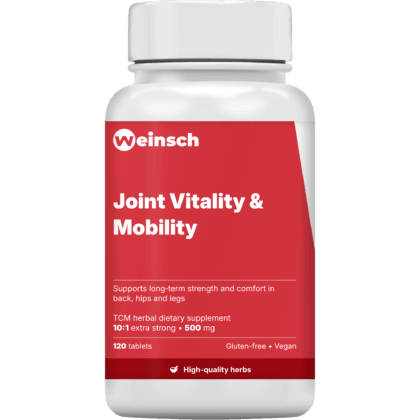
Joint Vitality & Mobility
Suo Yang
Cynomorium Stem (Suo Yang) – The Botanical Used in Traditional Systems to Tonify Yang and Moisten the Bowels
Cynomorium stem (Suo Yang) is the traditional Chinese medicine name for the fleshy, dried stem of Cynomorium songaricum, a unique desert parasitic plant that has been a staple in East Asian herbal systems for centuries. It is regarded as an herb with warming, strengthening, and lubricating properties, particularly suitable for formulas aimed at foundational vitality, lower back strength, and digestive regularity.
Traditional Understanding in TCM Systems
Within traditional Chinese medicine, cynomorium stem (Suo Yang) is described as a fleshy, sweet, and warm substance. In the TCM theoretical framework, it acts primarily on the Kidney, Liver, and Large Intestine meridians. According to this traditional description, cynomorium stem (Suo Yang) tonifies “Kidney Yang” (the body’s foundational warming energy), nourishes the “Blood,” and moistens the intestines. When foundational Yang is depleted alongside a lack of internal fluids, discomforts like lower back weakness, cold extremities, or dry constipation can arise. Cynomorium stem (Suo Yang) helps perform a unique “warming and moistening” effect without being overly drying.
In TCM formulas, cynomorium stem (Suo Yang) is seen as a botanical that helps promote normal skeletal strength and smooth digestive flow. It is traditionally used to alleviate profound physical chill, support reproductive wellness, and gently encourage regular bowel movements by lubricating the digestive pathways.
Botanical Composition and Research
Cynomorium stem (Suo Yang) contains a rich profile of bioactive compounds, primarily triterpenes, flavonoids, steroids, polysaccharides, and tannins. This phytochemical profile is connected in traditional applications with the physical strengthening of tissues and the promotion of metabolic vitality.
Modern scientific research shows that Cynomorium songaricum extracts can offer specific benefits. Studies show that cynomorium stem (Suo Yang) preparations:
-
Possess strong antioxidant properties and combat cellular oxidative stress
-
Can support normal bone density and joint comfort
-
Can promote healthy immune system function and cellular resilience
-
Can work supportively on normal reproductive tract function
-
Can support regular bowel movements through a natural lubricating effect
-
Contain polysaccharides that may protect neurological and brain health
-
Are used in traditional formulas with enhanced effects on foundational energy
Scientists particularly investigate how the flavonoid and triterpene components of the fleshy stem can contribute to normal endocrine function and the body’s natural resilience against age-related physical decline.
Traditional Applications – TCM Context
In traditional TCM formulas, cynomorium stem (Suo Yang) is classically used in situations described as:
-
Lower back or knee weakness accompanied by a feeling of cold
-
Sluggish digestion or constipation due to internal dryness and lack of fluids
-
General physical exhaustion, lethargy, or weakness in the tendons and bones
-
Reproductive sluggishness or a lack of foundational driving energy
-
A persistent feeling of cold in the extremities linked to aging
-
Pale complexion or dry skin associated with depleted blood nourishment
These are traditionalist descriptions that form part of the TCM thinking system and must not be equated with medical diagnoses in the sense of European medicinal product law.
Well-being and Daily Use
Cynomorium stem (Suo Yang) is valued by modern users as part of a conscious wellness routine aimed at skeletal health and digestive comfort, especially as they age or during cold, dry winter months. Due to its warming yet moistening nature, the herb works optimally in carefully balanced herbal mixtures, combined with adequate hydration, a nutrient-dense diet, and regular gentle movement to keep the body’s circulation flowing smoothly.
Many users see cynomorium stem (Suo Yang) as part of a holistic approach to physical resilience and internal lubrication – as a supportive element in traditional routines, alongside professional guidance and regular medical care when needed.