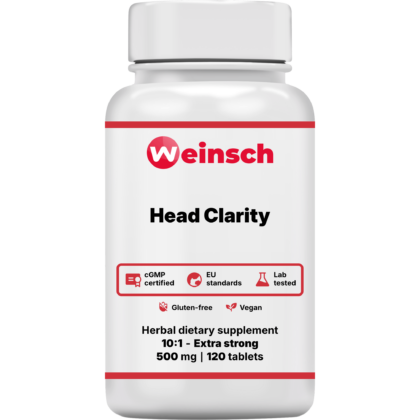
Oolong Tea (Qing Cha) – The Botanical Used in Traditional Systems to Support Digestive Lightness and Mind-Body BalanceOolong tea (Qing Cha, traditionally translated as "Blue-Green Tea") is the categorical Chinese name for the partially oxidized leaves of Camellia sinensis, a globally cherished botanical that has been part of traditional East Asian herbal and tea cultures for centuries. It is regarded as a harmonizing and refreshing herb, particularly suitable for daily routines aimed at digestive lightness, mental focus, and maintaining a balanced internal temperature.Traditional Understanding in TCM SystemsWithin traditional Chinese medicine, Oolong tea (Qing Cha) is described as a balancing substance with neutral properties, sitting harmoniously between cooling green tea and warming black tea. In the TCM theoretical framework, it acts primarily on the so-called Spleen, Stomach, and Liver meridians. According to this traditional description, Oolong tea (Qing Cha) clears "Heat," resolves "Dampness," and promotes the smooth flow of "Qi" (vital energy). When heavy foods or environmental factors overwhelm the digestive system, stagnation can arise. Oolong tea (Qing Cha) helps perform this "clearing and harmonizing" effect.In TCM formulas and dietary therapy, Oolong tea (Qing Cha) is seen as a botanical that helps support normal gastrointestinal function, clear a foggy mind, and soothe the digestive tract. It is traditionally used to promote healthy weight management, alleviate afternoon fatigue, aid digestion after rich meals, and foster a general sense of internal equilibrium.Botanical Composition and ResearchOolong tea (Qing Cha) contains primarily unique polyphenols (such as theaflavins, thearubigins, and catechins like EGCG), alkaloids (mainly caffeine), the amino acid L-theanine, and trace minerals. This phytochemical profile is connected in traditional applications with support for lipid metabolism, cardiovascular health, and cognitive function.Modern scientific research shows that Oolong tea extracts can offer specific benefits. Studies show that Oolong tea (Qing Cha) preparations:Possess potent antioxidant activity and can combat free radicals.Can support normal lipid metabolism and healthy weight management.Can have anti-inflammatory action, particularly for the cardiovascular system.Can promote normal blood sugar balance and metabolic health.Contain caffeine and L-theanine, which work synergistically to support mental focus and calm alertness.Can work supportively on a normal and diverse gut microbiome.Can possess mild antibacterial properties, supporting oral health.Are used in traditional routines with enhanced effects on clearing metabolic stagnation.Scientists particularly investigate how the specialized polymerized polyphenols of the partially oxidized leaves can contribute to normal fat oxidation and a normal inflammatory balance in the body.Traditional Applications – TCM ContextIn traditional TCM and dietary therapy, Oolong tea (Qing Cha) is classically used in situations described as:Uncomfortable feelings of heaviness or sluggish digestion, especially after greasy meals.Brain fog, afternoon fatigue, or a lack of mental clarity.Mild fluid retention or a persistent feeling of bloating.General lack of metabolic vigor or excess weight.Mild headaches associated with internal heat or stagnation.Thirst and dry mouth accompanied by restless energy.These are traditionalist descriptions that form part of the TCM thinking system and must not be equated with medical diagnoses in the sense of European medicinal product law.Well-being and Daily UseOolong tea (Qing Cha) is valued by modern users as part of a conscious wellness routine aimed at metabolic health, weight management, and mental clarity, especially as an afternoon pick-me-up or a post-meal digestive aid. The botanical works optimally when steeped properly (often enjoyed through mindful tea rituals like Gongfu Cha), combined with an active lifestyle, adequate hydration, and a balanced diet.Many users see Oolong tea (Qing Cha) as part of a natural, long-term approach to metabolic lightness and focused calm – as a supportive element in traditional routines, alongside professional guidance and regular medical care when needed.
-
€ 24,50

Head Clarity