-
€ 20,00

Astaxanthin Complex
-
€ 16,00
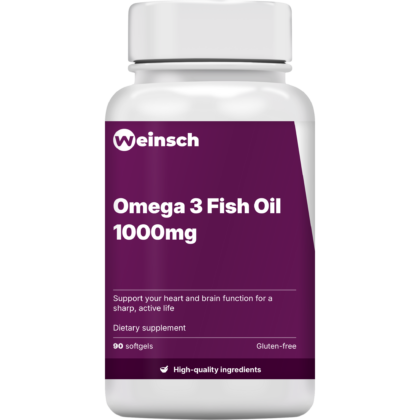
Omega 3 Fish Oil 1000mg
-
€ 20,00
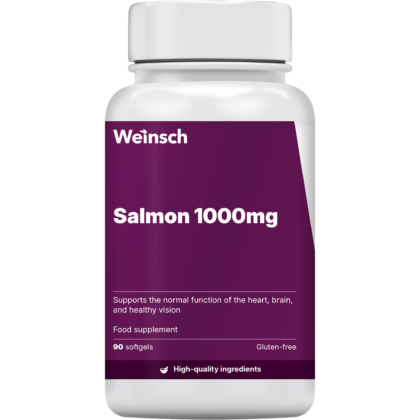
Salmon 1000mg
Omega‑3 zhī fáng suān (EPA jí DHA)
Omega-3 Fatty Acids (EPA & DHA) – Essential polyunsaturated fatty acids used to support heart, brain, and vision
Omega-3 fatty acids, specifically the active forms Eicosapentaenoic acid (EPA) and Docosahexaenoic acid (DHA), are essential, polyunsaturated fatty acids. In dietary supplements (such as fish oil, krill oil, or algae oil capsules), they are used for their vital structural and protective roles in the body, primarily to support normal heart function, healthy brain function, and the maintenance of normal vision as part of a balanced lifestyle.
Characteristics, Origin, and Composition
The human body can only synthesize EPA and DHA from plant-based alpha-linolenic acid (ALA) to a very limited and often insufficient degree, making us largely reliant on dietary sources (like fatty fish) for these fatty acids. For supplements, EPA and DHA are frequently sourced from purified fish oil or, as a plant-based and sustainable alternative, directly from micro-algae (such as Schizochytrium sp.). At the cellular level, EPA and DHA are crucial components of the phospholipids in cell membranes, directly influencing their structure and functionality. Furthermore, they serve as precursors to signaling molecules called eicosanoids and specialized pro-resolving mediators (SPMs), which play a key role in dampening inflammatory responses and promoting tissue healing. Often, a small amount of vitamin E is added to these supplements to protect the delicate fatty acids inside the capsule from oxidation.
Use in Dietary Supplements
Omega-3 fatty acids (EPA & DHA) are commonly used:
-
In cardiovascular (heart) formulas, as it has been established that a combined daily intake of at least 250 mg of EPA and DHA contributes to the normal function of the heart, while higher doses help maintain normal blood triglyceride levels and normal blood pressure.
-
In brain and cognitive support supplements, because DHA is a major structural component of brain tissue and, at an intake of 250 mg per day, contributes to the maintenance of normal brain function.
-
In vision and eye health products, since the retina is particularly rich in DHA, which helps maintain normal vision.
-
In prenatal supplements, as adequate maternal intake of DHA is vital for the normal development of the brain and eyes in the fetus and breastfed infant.
The dosage varies significantly by product: a standard preventive dose is around 250 to 500 mg of combined EPA/DHA daily, whereas therapeutic doses (for instance, to manage blood pressure or triglycerides) can reach 2 to 3 grams per day.
Everyday Use and Well-Being
When used in appropriate amounts, omega-3 supplements provide a highly beneficial, extensively researched method to optimize essential fatty acid intake, particularly for individuals who consume little to no (fatty) fish. Dietary supplements do not replace proper nutrition or medical treatment. Caution is advised when consuming very high doses of omega-3s, or for individuals with specific cardiac arrhythmias. Additionally, people taking strong blood-thinning medications should consult a doctor, as high concentrations of omega-3 fatty acids can have a mild blood-thinning effect.