Ophiopogon Tuber (Mai Men Dong) – The Botanical Used in Traditional Systems to Support Hydration and Respiratory ComfortOphiopogon tuber (Mai Men Dong) is the traditional Chinese medicine name for the dried root tuber of Ophiopogon japonicus (dwarf lilyturf), a unique botanical that has been part of traditional East Asian herbal systems for over 2000 years. It is regarded as a botanical with cooling and moistening properties, particularly suitable for formulas aimed at respiratory comfort, fluid balance, and soothing inner heat.Traditional Understanding in TCM SystemsWithin traditional Chinese medicine, Ophiopogon tuber (Mai Men Dong) is described as a sweet and slightly bitter botanical substance with mildly cold properties. In the TCM theoretical framework, it acts on the so-called Heart, Lung, and Stomach meridians. According to this traditional description, Ophiopogon tuber (Mai Men Dong) nourishes "Yin" and generates fluids – TCM concepts that stand for the body's cooling, restorative, and hydrating reserves. When Yin is deficient, dryness, irritation, and restless heat can arise, and Ophiopogon tuber helps perform this moistening and calming effect.In TCM formulas, Ophiopogon tuber (Mai Men Dong) is seen as a botanical that helps support normal mucous membrane function, hydrate dry lungs, and clear subtle heat from the heart. It is traditionally used to promote clear and comfortable airways, soothe a dry mouth, foster restful sleep, and support general digestive comfort.Botanical Composition and ResearchOphiopogon tuber (Mai Men Dong) contains primarily steroidal saponins (such as ophiopogonins), polysaccharides, homoisoflavonoids, and various amino acids. This profile is connected in traditional applications with support for normal tissue hydration and mucosal vitality.Modern scientific research shows that Ophiopogon tuber extracts can offer specific benefits. Studies show that Ophiopogon tuber (Mai Men Dong) preparations:Possess antioxidant properties and can combat free radicalsCan have anti-inflammatory action, particularly for respiratory tissues and mucous membranesCan support normal immune function and cellular healthCan promote normal cardiovascular and vascular healthContain polysaccharides that help soothe and protect irritated tissuesCan work supportively on normal blood glucose balanceScientists particularly investigate how the saponin and polysaccharide components of the root tuber can contribute to normal tissue repair and normal inflammation balance within the respiratory and digestive tracts.Traditional Applications – TCM ContextIn traditional TCM formulas, Ophiopogon tuber (Mai Men Dong) is classically used in situations described as:Dry cough or sticky, difficult-to-expectorate phlegmDry mouth, throat, or excessive thirstRestless feeling, irritability, or compromised sleepUncomfortable sensations of internal heatDry skin or sluggish digestion due to lack of fluidsThese are traditionalist descriptions that form part of the TCM thinking system and must not be equated with medical diagnoses in the sense of European medicinal product law.Well‑being and Daily UseOphiopogon tuber (Mai Men Dong) is valued by modern users as part of a conscious wellness routine aimed at respiratory hydration, tissue comfort, and inner calm, especially during dry seasons, when exposed to artificial heating, or when recovering from seasonal challenges. The herb works optimally in balanced herbal mixtures, combined with adequate daily hydration, a nourishing diet, and a healthy lifestyle.Many users see Ophiopogon tuber (Mai Men Dong) as part of a long-term approach to mucosal health and physical harmony – as a supportive element in traditional routines, alongside professional guidance and regular medical care when needed.
-
€ 24,50

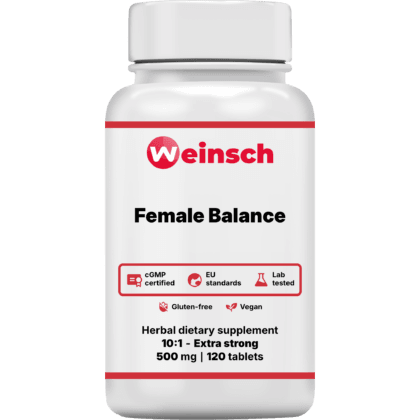
Female Balance
-
€ 24,50

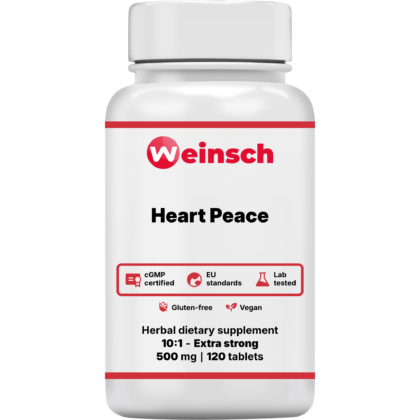
Heart Peace
-
€ 24,50

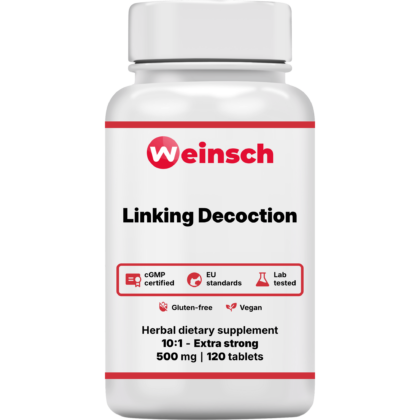
Linking Decoction
-
€ 24,50

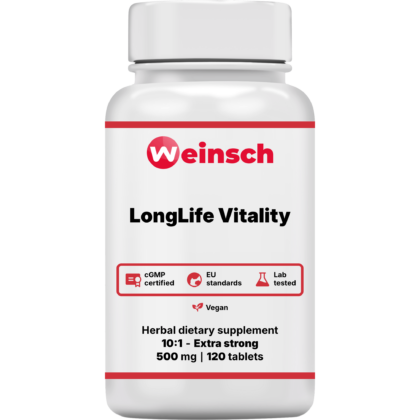
LongLife Vitality
-
€ 24,50

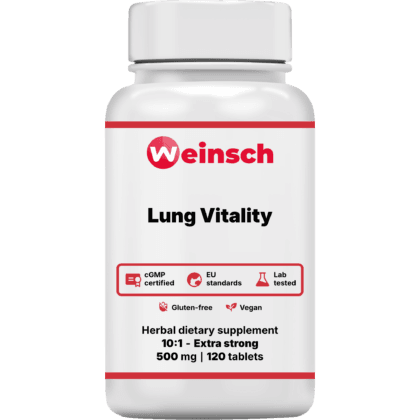
Lung Vitality
-
€ 24,50

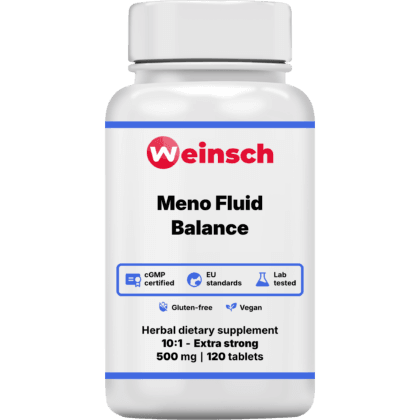
Meno Fluid Balance
-
€ 24,50

Recovery Vitality