-
€ 25,50

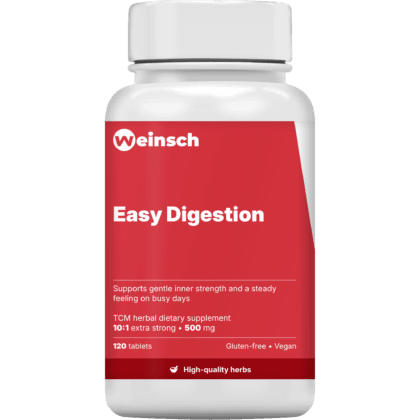
Easy Digestion
Lian Zi
Lotus Seed (Lian Zi) – The Botanical Used in Traditional Systems to Nourish the Spleen and Calm the Mind
Lotus seed (Lian Zi) is the traditional Chinese medicine name for the dried, mature seed of Nelumbo nucifera (sacred lotus), a unique botanical that has been part of traditional East Asian herbal systems and culinary traditions for over 2000 years . It is regarded as a botanical with stabilizing, nourishing, and calming properties, particularly suitable for formulas aimed at supporting digestive strength, anchoring vital energy, and soothing the nervous system.
Traditional Understanding in TCM Systems
Within traditional Chinese medicine, Lotus seed (Lian Zi) is described as a sweet and astringent botanical substance with neutral properties . In the TCM theoretical framework, it acts on the so-called Heart, Kidney, and Spleen meridians . According to this traditional description, Lotus seed “Tonifies the Spleen,” “Astringes the Kidneys,” and “Nourishes the Heart and Calms the Spirit (Shen)” – TCM concepts that stand for strengthening digestive resilience, preventing the loss of vital essence, and settling an anxious, restless mind . When the Spleen is weak or the Heart and Kidneys lose their communicative balance, related discomforts such as chronic loose stools, sleep disturbances, and palpitations can arise . Lotus seed helps perform this binding, nourishing, and pacifying effect.
In TCM formulas, Lotus seed (Lian Zi) is seen as a botanical that helps support normal gastrointestinal tone, secure the body’s foundational reserves, and quiet emotional turbulence . It is traditionally used to promote firm stools, soothe an unsettled heart, improve sleep quality, and foster a grounded, deeply nourished internal state.
Botanical Composition and Research
Lotus seed (Lian Zi) contains primarily complex carbohydrates (including resistant starches), high-quality plant proteins, essential amino acids, flavonoids, and specific isoquinoline alkaloids (such as liensinine, isoliensinine, and neferine) . This nutrient-dense, alkaloid-rich profile is connected in traditional applications with support for normal tissue integrity and neurological calm .
Modern scientific research shows that Lotus seed extracts can offer specific benefits. Studies show that Lotus seed (Lian Zi) preparations:
-
Have an astringent and regulating effect on the gastrointestinal tract, helping support normal bowel function and microbiome balance
-
Possess calming and mild sedative properties that help soothe the central nervous system and support sleep
-
Contain isoquinoline alkaloids that are widely investigated for their ability to support normal cardiovascular health and vascular relaxation
-
Possess strong antioxidant activity to help combat free radicals and cellular aging
-
Can have a beneficial anti-inflammatory action, protecting mucosal and neural tissues
-
Offer high nutritional value, supporting metabolic energy and physical recovery
Scientists particularly investigate how the unique alkaloids and flavonoids in the seeds can interact with neurological and cardiovascular pathways to contribute to natural relaxation and systemic vitality .
Traditional Applications – TCM Context
In traditional TCM formulas, Lotus seed (Lian Zi) is classically used in situations described as:
-
Chronic digestive sluggishness, poor appetite, or persistent loose stools
-
Palpitations, irritability, or a fluttering sensation in the chest
-
Difficulty falling asleep, frequent waking, or dream-disturbed rest
-
General weakness, lethargy, or fatigue associated with energy depletion
-
Excessive fluid loss or physical leakage traditionally associated with Kidney deficiency
These are traditionalist descriptions that form part of the TCM thinking system and must not be equated with medical diagnoses in the sense of European medicinal product law.
Well‑being and Daily Use
Lotus seed (Lian Zi) is valued by modern users as part of a conscious wellness routine aimed at digestive resilience, emotional calm, and nutritional replenishment, especially during periods of convalescence, chronic stress, or when experiencing a sensitive gut. The seed works optimally in balanced herbal mixtures or as a whole-food ingredient in traditional soups and porridges, combined with a wholesome diet and adequate rest.
Many users see Lotus seed (Lian Zi) as part of a long-term approach to foundational strength and mental tranquility – as a supportive element in traditional routines, alongside professional guidance and regular medical care when needed.