-
€ 27,50

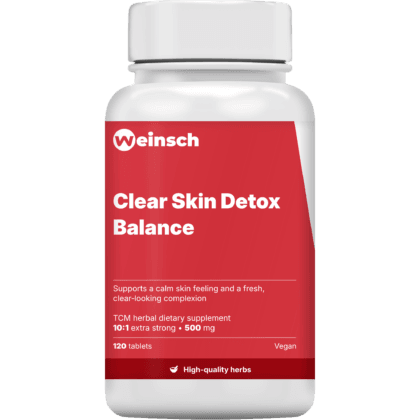
Clear Skin Detox Balance
Li Zhi He
Lychee Seed (Li Zhi He) – The Botanical Used in Traditional Systems to Move Qi and Dispel Cold
Lychee seed (Li Zhi He) is the traditional Chinese medicine name for the dried mature seed of Litchi chinensis. Often discarded after eating the sweet fruit, this dense seed has been highly valued in East Asian herbal systems for centuries. It is particularly known for its warming properties and its ability to promote the smooth flow of energy, alleviate localized stagnation, and support physical comfort in the lower abdomen and reproductive tissues.
Traditional Understanding in TCM Systems
Within traditional Chinese medicine, lychee seed (Li Zhi He) is described as a sweet, slightly astringent, and warm herb with a moving character. In the TCM theoretical framework, it acts primarily on the Liver and Stomach meridians. According to this traditional description, lychee seed (Li Zhi He) supports “moving Qi” and “dispelling Cold” – crucial TCM concepts for normalizing energy flow and clearing localized, cold-induced physical blockages.
Lychee seed (Li Zhi He) is seen in TCM as an herb that “moves Liver Qi,” “stops pain,” and “scatters cold stagnation.” It is traditionally used to promote normal lower abdominal comfort, ease swelling or discomfort in the groin and reproductive tissues, and help the body resolve bound-up energy caused by deep internal chill.
Biological Composition and Research
Lychee seed (Li Zhi He) contains numerous biologically active substances, of which the main ones are:
-
Saponins – naturally occurring compounds with dynamic physiological effects
-
Flavonoids – plant-based antioxidants that protect cellular health
-
Unique amino acids (such as αα-(methylenecyclopropyl)glycine) – metabolic modulators
-
Tannins – astringent organic compounds
-
Fatty acids – structural lipids for cellular maintenance
Modern scientific research shows that lychee seed (Li Zhi He) components can offer diverse benefits:
-
Metabolic regulation: Research suggests that specific amino acids and saponins in the seed can support normal blood sugar balance and metabolic health.
-
Analgesic properties: Studies indicate that the active compounds can provide support for normal pain relief, particularly in the lower abdomen and pelvic region.
-
Anti-inflammatory effects: Certain flavonoids can help maintain normal inflammation balance in glandular and reproductive tissues.
-
Antioxidant activity: The seed contains potent antioxidants that provide protection against environmental free radicals and cellular stress.
-
Smooth muscle relaxation: Traditional use and modern observation point to a role in relaxing smooth muscles to ease localized cramping.
Traditional Applications – TCM Context
In traditional TCM formulas, lychee seed (Li Zhi He) is classically used in situations described as:
-
Lower abdominal discomfort or cramping associated with cold weather
-
Swelling, heaviness, or pain in the testicular or groin region
-
Premenstrual or menstrual lower abdominal tension linked to cold stagnation
-
Digestive discomfort or abdominal pain that feels better with applied warmth
-
Supporting normal fluid and energy movement in the pelvic area
These are traditionalist descriptions that form part of the TCM thinking system and must not be equated with medical diagnoses in the sense of European medicinal product law.
Well-being and Daily Use
Lychee seed (Li Zhi He) is valued by modern users as part of a conscious wellness routine aimed at lower body comfort, metabolic health, and the smooth flow of physical energy. Because of its hard outer shell and dense nature, the seed is typically crushed before use and works optimally in targeted warm decoctions or specialized herbal formulas under professional guidance.
Many users see lychee seed (Li Zhi He) as a targeted, warming element in traditional routines – especially for resolving localized tension and cold-related discomfort – alongside regular medical care when needed.