Phellodendron Bark (Huang Bai) – The Botanical Used in Traditional Systems to Support Lower Body Comfort and Clear Damp-HeatPhellodendron bark (Huang Bai) is the traditional Chinese medicine name for the dried bark of Phellodendron amurense or Phellodendron chinense (Amur cork tree), a unique botanical that has been part of traditional East Asian herbal systems for over 2000 years. It is regarded as a botanical with strongly cooling and drying properties, particularly suitable for formulas aimed at clearing internal heat, supporting joint and urinary tract comfort, and balancing fluids in the lower body.Traditional Understanding in TCM SystemsWithin traditional Chinese medicine, Phellodendron bark (Huang Bai) is described as a bitter botanical substance with cold properties. In the TCM theoretical framework, it acts on the so-called Kidney, Bladder, and Large Intestine meridians. According to this traditional description, Phellodendron bark "Clears Heat and Dries Dampness" and "Purges Deficiency Fire" – TCM concepts that stand for resolving heavy, inflammatory-like fluid accumulations in the lower half of the body (the "Lower Jiao") and cooling restless heat that arises from deep exhaustion. When damp-heat sinks downward, related discomforts such as heavy, swollen legs or urinary irritation can arise. Phellodendron bark helps perform this draining, drying, and cooling effect.In TCM formulas, Phellodendron bark (Huang Bai) is seen as a botanical that helps support normal fluid balance in the lower body, ease joint stagnation, and calm night-time heat sensations. It is traditionally used to promote a comfortable urinary flow, soothe redness and swelling in the knees and feet, reduce night sweats, and foster a clean, balanced internal environment.Botanical Composition and ResearchPhellodendron bark (Huang Bai) contains primarily isoquinoline alkaloids (most notably berberine, palmatine, and jatrorrhizine), flavonoids, and phenolic compounds. This alkaloid-rich, bright yellow profile is connected in traditional applications with support for normal antimicrobial defense and metabolic vitality.Modern scientific research shows that Phellodendron bark extracts can offer specific benefits. Studies show that Phellodendron bark (Huang Bai) preparations:Contain high levels of berberine, known for supporting normal blood glucose and metabolic balancePossess strong antimicrobial and antibacterial propertiesCan have anti-inflammatory action, particularly beneficial for joint, gut, and urinary tract tissuesCan support normal gastrointestinal health and a balanced microbiomePossess antioxidant activity to help combat oxidative stressCan work supportively on normal cellular health and skin clarityScientists particularly investigate how the alkaloid components of the bark can contribute to normal inflammatory pathways and support metabolic health, mirroring its traditional use for clearing systemic "heat."Traditional Applications – TCM ContextIn traditional TCM formulas, Phellodendron bark (Huang Bai) is classically used in situations described as:Heavy, swollen, or uncomfortable feeling in the lower limbs and jointsUrinary discomfort, urgency, or cloudy secretions associated with damp-heatSluggish digestion or loose stools with a strong odor or burning sensationNight sweats or a feeling of restless heat in the evening (deficiency heat)Skin irritations, redness, or weeping conditions associated with dampnessLocalized redness or heat in the lower half of the bodyThese are traditionalist descriptions that form part of the TCM thinking system and must not be equated with medical diagnoses in the sense of European medicinal product law.Well‑being and Daily UsePhellodendron bark (Huang Bai) is valued by modern users as part of a conscious wellness routine aimed at lower body comfort, joint mobility, and metabolic balance, especially when recovering from systemic stress, consuming rich foods, or experiencing internal sluggishness. The herb works optimally in balanced herbal mixtures, combined with adequate hydration, a clean diet low in damp-producing foods, and a healthy lifestyle.Many users see Phellodendron bark (Huang Bai) as part of a long-term approach to metabolic harmony and tissue comfort – as a supportive element in traditional routines, alongside professional guidance and regular medical care when needed.
-
€ 24,50

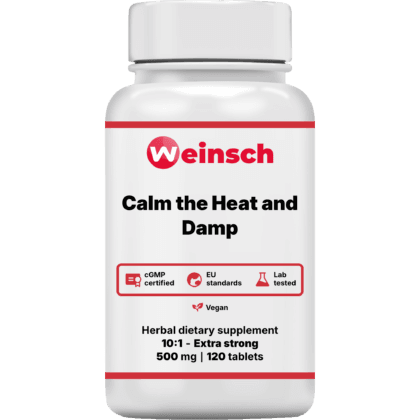
Calm the Heat and Damp
-
€ 24,50

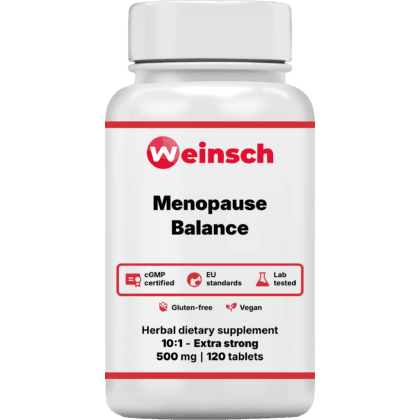
Menopause Balance
-
€ 24,50

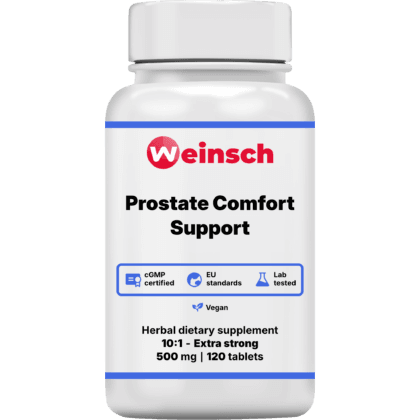
Prostate Comfort Support
-
€ 24,50

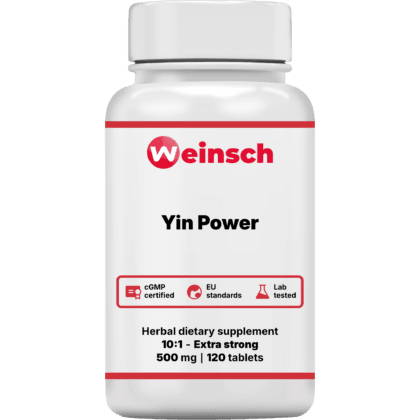
Yin Power