Goji Berry (Gou Qi Zi) – The Botanical Used in Traditional Systems to Support Visual Clarity and Deep NourishmentGoji berry (Gou Qi Zi) is the traditional Chinese medicine name for the dried, ripe fruit of Lycium barbarum or Lycium chinense, a globally celebrated botanical that has been part of traditional East Asian herbal systems for over 2000 years. It is regarded as a deeply nourishing and harmonizing herb, particularly suitable for formulas aimed at eye comfort, foundational vitality, and healthy aging.Traditional Understanding in TCM SystemsWithin traditional Chinese medicine, Goji berry (Gou Qi Zi) is described as a restorative substance with sweet and neutral properties. In the TCM theoretical framework, it acts primarily on the so-called Liver, Kidney, and Lung meridians. According to this traditional description, Goji berry (Gou Qi Zi) nourishes the "Yin," "Blood," and "Jing" (vital essence) – TCM concepts that stand for the body’s deep, cooling moisture and fundamental restorative reserves. When these energies are depleted through stress or aging, visual fatigue and physical weakness can arise. Goji berry (Gou Qi Zi) helps perform this "nourishing and brightening" effect.In TCM formulas, Goji berry (Gou Qi Zi) is seen as a botanical that helps support normal eyesight, maintain healthy hair and skin, and strengthen the lower back and knees. It is traditionally used to promote visual clarity, alleviate dizziness related to exhaustion, gently moisten the respiratory tract, and foster a general sense of deep, steady energy.Botanical Composition and ResearchGoji berry (Gou Qi Zi) contains primarily unique Lycium barbarum polysaccharides (LBPs), valuable carotenoids (especially zeaxanthin and lutein), flavonoids, ascorbic acid (vitamin C), and various amino acids. This phytochemical profile is connected in traditional applications with support for macular health, immune regulation, and cellular longevity.Modern scientific research shows that Goji berry extracts can offer specific benefits. Studies show that Goji berry (Gou Qi Zi) preparations:Possess potent antioxidant activity and can combat free radicals.Can have anti-inflammatory action, particularly for ocular and neurological tissues.Can support normal vision and help protect the macula from oxidative stress.Can work supportively on a normal, healthy immune response.Contain LBPs (Lycium barbarum polysaccharides), which are widely studied for their role in healthy aging and metabolic support.Can support normal blood sugar and lipid balance.Are used in traditional formulas with enhanced effects on visual acuity and longevity.Scientists particularly investigate how the high concentration of zeaxanthin and specific polysaccharides in the berries can contribute to normal retinal health and a healthy cellular aging process.Traditional Applications – TCM ContextIn traditional TCM formulas, Goji berry (Gou Qi Zi) is classically used in situations described as:Blurred vision, dry eyes, or diminished visual acuity.Weakness, soreness, or a dull ache in the lower back and knees.Dizziness, ringing in the ears, or mild vertigo related to exhaustion.Premature graying of the hair or a pale, lackluster complexion.Dry, tickling cough with little mucus.General fatigue or a lack of deep, restorative energy.These are traditionalist descriptions that form part of the TCM thinking system and must not be equated with medical diagnoses in the sense of European medicinal product law.Well-being and Daily UseGoji berry (Gou Qi Zi) is valued by modern users as part of a conscious wellness routine aimed at eye comfort, healthy aging, and deep nourishment, especially for those who spend long hours on digital screens or wish to support their vitality. The versatile herb works optimally in balanced herbal mixtures (often famously paired with Chrysanthemum flowers for eye health), and can be easily incorporated into daily life through teas, soups, or as a nutrient-dense food, combined with a healthy lifestyle and adequate rest.Many users see Goji berry (Gou Qi Zi) as part of a gentle, long-term approach to visual health and foundational wellness – as a supportive element in traditional routines, alongside professional guidance and regular medical care when needed.
-
€ 24,50

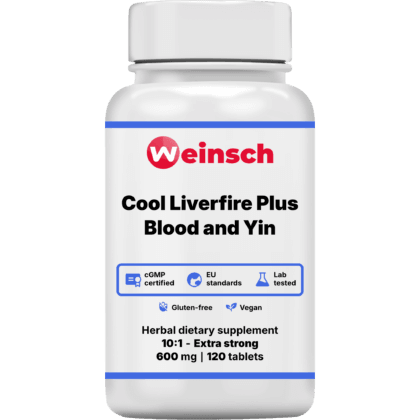
Cool Liverfire Plus Blood and Yin
-
€ 24,50

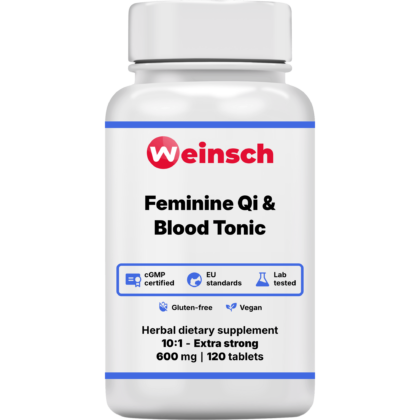
Feminine Qi & Blood Tonic
-
€ 24,50

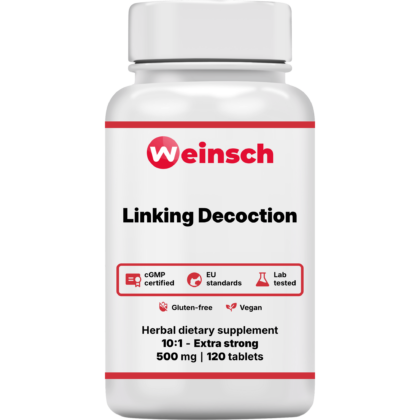
Linking Decoction
-
€ 24,50

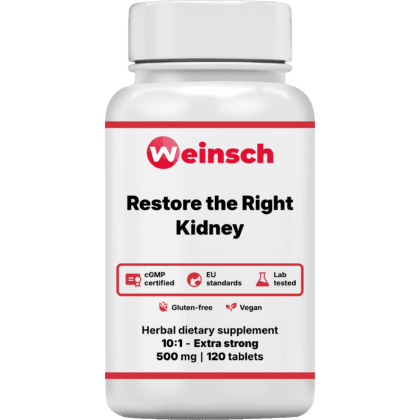
Restore the Right Kidney
-
€ 24,50

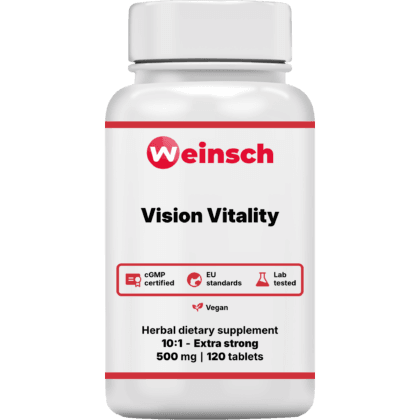
Vision Vitality
-
€ 24,50

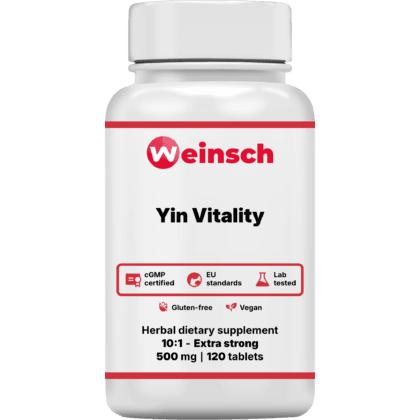
Yin Vitality