-
€ 32,50

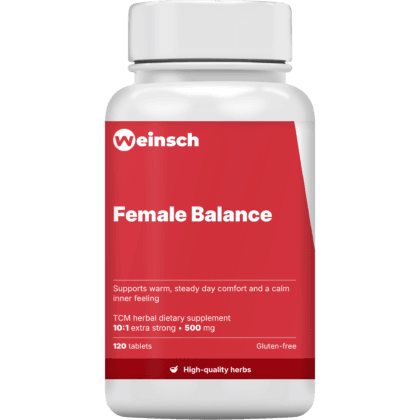
Female Balance
-
€ 27,50

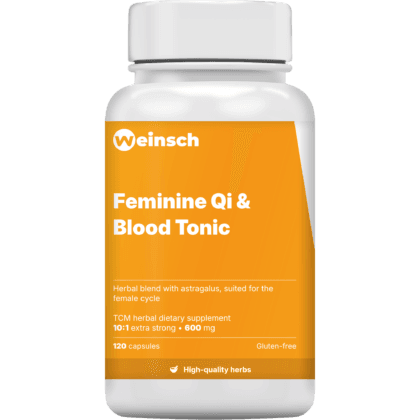
Feminine Qi & Blood Tonic
-
€ 25,50

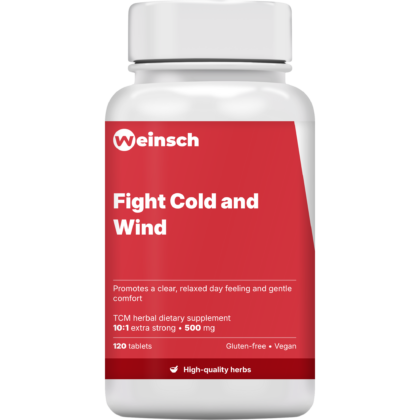
Fight Cold and Wind
-
€ 25,50

Free & Easy Wanderer
-
€ 29,50

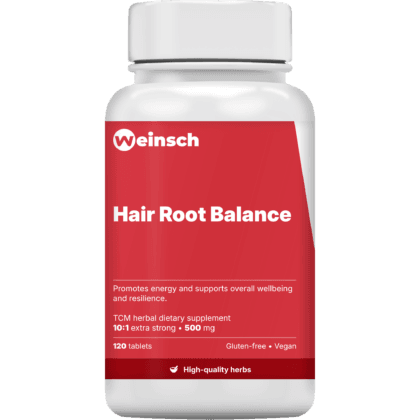
Hair Root Balance
-
€ 26,00

Hormonal Balance Support
-
€ 27,50

Joint Comfort & Inner Balance
-
€ 27,50

Joint Mobility Vitality
-
€ 29,50

Joint Vitality & Mobility
-
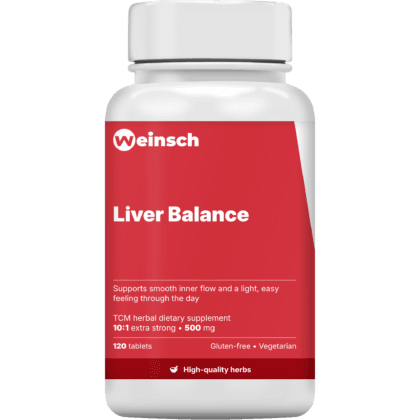
€ 25,50

Liver Balance
-
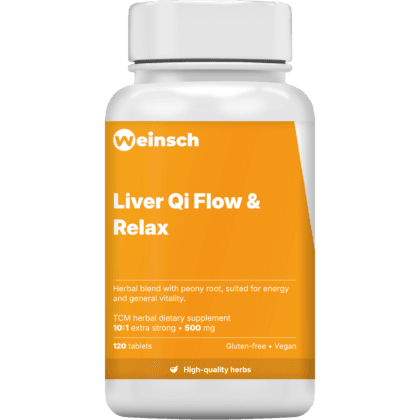
€ 29,50

Liver Qi Flow & Relax
-
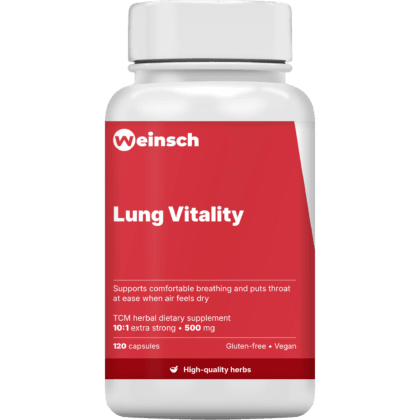
€ 32,50

Lung Vitality
Bai Shao
Chinese peony root without bark (Bai Shao) – The Herb Used in Traditional Systems to Support Blood Nourishment and Liver Calming
Chinese peony root without bark (Bai Shao), also known as “White Peony Root” or Chinese white peony, is the traditional Chinese medicine name for the dried root of Paeonia lactiflora, one of the most respected blood-tonifying herbs in the traditional TCM system. This herb has been held in high regard for over 2500 years – particularly for supporting normal women’s health, normal menstruation, normal blood circulation and emotional balance. It is classically classified as an essential “female tonic” in TCM and is also known for its ability to support normal muscle flexibility and nerve calm.
Traditional Understanding in TCM Systems
Within traditional Chinese medicine, chinese peony root without bark (Bai Shao) is described as a bitter-sour and cool herb with a tonifying character. In the TCM theoretical framework, it acts on the so‑called Liver and Spleen meridians. According to this traditional description, chinese peony root without bark (Bai Shao) primarily tonifies normal blood nourishment and “softens the Liver” – meaning it helps maintain normal Liver Yang (upward energy) in balance and regulates Liver Qi (energy flow) smoothly.
Chinese peony root without bark (Bai Shao) is seen as an herb that both “tonifies blood” and “relieves pain” – and does so particularly by “astringing” or “fixing” normal blood movements. This makes it particularly suitable for women with normal menstrual discomfort, abnormal menstrual patterns and for individuals with normal muscle or tendon flexibility needs.
Botanical Composition and Research
Chinese peony root without bark (Bai Shao) contains over 20 identified bioactive components, of which the main ones are:
-
Paeoniflorin (5-20%) – the main active component, a monoterpene glycoside
-
Paeonol (0.1-0.5%) – with calming and antioxidant effect
-
Albiflorin – additional monoterpene glycoside
-
Paeonin – polysaccharide
-
Triterpenoids – with anti-inflammatory action
-
Tannins – astringent action
-
Flavonoids (quercetin) – antioxidant action
Modern scientific research shows that chinese peony root without bark (Bai Shao) extracts can offer diverse benefits:
-
Blood tonification and menstrual regulation: Studies show that paeoniflorin can support normal red blood cell formation and promote normal menstrual hormone balance. Research suggests Chinese peony root without bark (Bai Shao) can support normal menstrual flow and help normalize normal menstrual timing.
-
Antispasmodic and pain-relief action: Paeoniflorin possesses demonstrated antispastic and analgesic properties. This helps support normal muscle and tendon contracting and traditionally relieves related menstrual pain, abdominal cramping and muscle stiffness.
-
Liver-calming and anti-inflammatory: Studies show that paeoniflorin can support normal Liver Yang balance and help regulate normal inflammatory reactions. This explains why it is traditionally used for emotional stability.
-
Nerve calm and stress response: Research suggests that certain components can support normal nerve function and help regulate normal cortisol response, aligning with traditional use for nerve calm and emotional soothing.
-
Antioxidant protection: Paeonol and albiflorin possess strong free-radical-fighting action, protecting against oxidative stress in blood and tissue.
-
Normal blood vessel function: Studies suggest that certain components can help regulate normal platelet aggregation and support normal blood flow.
-
Skin health support: Paeoniflorin can help regulate normal melanin production and support normal skin health.
-
Neuroprotection: Research indicates that certain components can support normal nerve cell structure and promote normal neurotransmitter balance.
Traditional Applications – TCM Context
In traditional TCM formulas, chinese peony root without bark (Bai Shao) is classically used in situations described as:
-
Menstrual irregularity or abnormal menstrual timing
-
Menstrual pain or dysmenorrhea
-
Amenorrhea (absent menstruation) related to blood deficiency
-
Normalizing normal menstrual bleeding amount
-
Breast tenderness around menstruation
-
Abdominal cramping or normal muscle stiffness
-
Supporting normal muscle and tendon flexibility
-
Headache or migraine related to Liver Yang rising
-
Rigidity and tremor-like manifestations
-
Supporting normal emotional stability
-
Normal sleep quality
-
Postpartum blood nourishment
-
Yellowing of eyes and skin
-
Dry skin or hair problems (from blood deficiency)
These are traditionalist descriptions that form part of the TCM thinking system and must not be equated with medical diagnoses in the sense of European medicinal product law.
Well-being and Daily Use
Chinese peony root without bark (Bai Shao) is valued by modern users – especially women – as part of a conscious wellness routine aimed at normal menstrual health, normal blood vitality, normal emotional balance and general women’s health, especially when they wish to support normal menstrual comfort, maintain normal emotional stability or strengthen their overall energy. The herb works optimally in daily tea, in formulas, combined with regular movement, adequate iron-rich nutrition and proper rest.
Many users see chinese peony root without bark (Bai Shao) as part of a long-term approach to women’s health and blood vitality – as a supportive element in traditional routines, alongside professional guidance and regular medical care when needed.