-
€ 25,50

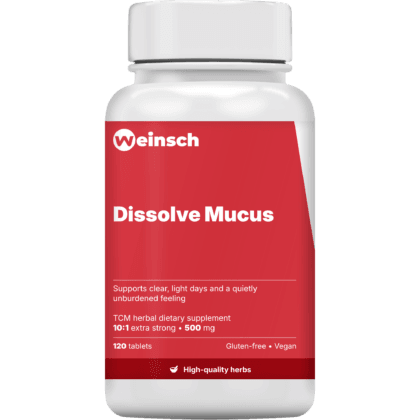
Dissolve Mucus
Bai Jie Zi
White Mustard Seed (Bai Jie Zi) – The Botanical Used in Traditional Systems to Clear Cold Phlegm and Support Chest Comfort
White mustard seed (Bai Jie Zi) is the traditional Chinese medicine name for the dried ripe seed of Sinapis alba (white mustard), a potent botanical that has been part of traditional East Asian herbal systems for centuries. It is regarded as a botanical with warming and moving properties, particularly suitable for formulas aimed at clearing respiratory blockages, soothing chest fullness, and warming the body’s energy channels.
Traditional Understanding in TCM Systems
Within traditional Chinese medicine, white mustard seed (Bai Jie Zi) is described as an acrid, warming botanical substance with mobilizing properties. In the TCM theoretical framework, it acts primarily on the Lung meridian. According to this traditional description, white mustard seed expels so-called “Cold Phlegm” – a TCM concept representing accumulated, stagnant fluids worsened by cold environments. When cold causes fluids to congeal in the lungs or energy channels, respiratory and physical discomforts can arise. White mustard seed (Bai Jie Zi) helps perform this “warming and unblocking” effect.
In TCM formulas, white mustard seed (Bai Jie Zi) is seen as an herb that helps support normal airway clearance, regulate Qi (energy) movement in the chest, and dissolve localized fluid stagnation. It is traditionally used to promote clear breathing, reduce the sensation of a heavy chest, and foster smooth energy flow through the body’s meridians.
Botanical Composition and Research
White mustard seed (Bai Jie Zi) contains primarily glucosinolates (such as sinalbin), the enzyme myrosinase, fixed oils, proteins, and mucilage. This botanical profile is connected in traditional applications with support for respiratory clearance and healthy local circulation.
Modern scientific research shows that white mustard seed extracts can offer specific benefits. Studies show that white mustard seed (Bai Jie Zi) preparations:
-
Possess expectorant properties to help clear mucus
-
Can have mild local counter-irritant effects to support blood flow
-
Can support normal inflammatory responses in respiratory tissues
-
Can promote airway relaxation and chest comfort
-
Can possess antimicrobial properties
-
Contain active sulfur compounds that may protect cellular health
-
Are used in traditional formulas with enhanced warming effects on the body
Scientists particularly investigate how the glucosinolate components of the seed can contribute to normal mucus viscosity and support the body’s natural mechanisms for clearing the respiratory tract.
Traditional Applications – TCM Context
In traditional TCM formulas, white mustard seed (Bai Jie Zi) is classically used in situations described as:
-
Coughing with clear or white phlegm
-
A feeling of fullness or a stifling sensation in the chest
-
Wheezing aggravated by cold weather
-
Localized swelling or subcutaneous fluid nodules
-
Joint discomfort that worsens in cold or damp conditions
-
Sluggish energy or fluid movement in the limbs
These are traditionalist descriptions that form part of the TCM thinking system and must not be equated with medical diagnoses in the sense of European medicinal product law.
Well‑being and Daily Use
White mustard seed (Bai Jie Zi) is valued by modern users as part of a conscious wellness routine aimed at respiratory comfort and warmth, especially during cold, damp seasons or winter months. The herb works optimally in balanced herbal mixtures, combined with warming foods, proper hydration, and protection against harsh weather.
Many users see white mustard seed (Bai Jie Zi) as part of a seasonal approach to respiratory health and joint comfort – as a supportive element in traditional routines, alongside professional guidance and regular medical care when needed.