
-
€ 40,50
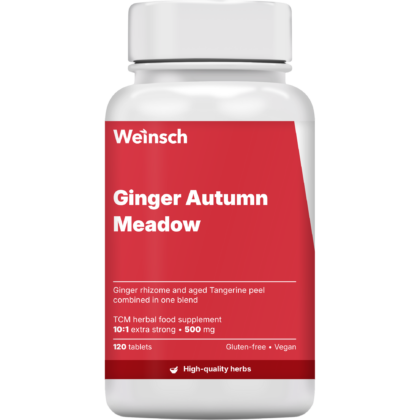
Ginger Autumn Meadow
Zhejiang Fritillary Bulb
Zhejiang Fritillary Bulb (Zhe Bei Mu) – The Botanical Used in Traditional Systems to Support Respiratory Comfort and Clear Phlegm
Zhejiang Fritillary Bulb (Zhe Bei Mu) is the traditional Chinese medicine name for the dried bulb of Fritillaria thunbergii, a unique botanical that has been part of traditional East Asian herbal systems for over 2000 years. It is regarded as a botanical with cooling and dissipating properties, particularly suitable for formulas aimed at respiratory comfort, clearing heat-phlegm and the stabilization of tissue swellings.
Traditional Understanding in TCM Systems
Within traditional Chinese medicine, Zhejiang Fritillary Bulb (Zhe Bei Mu) is described as a bitter botanical substance with cold properties. In the TCM theoretical framework, it acts on the so‑called Heart and Lung meridians. According to this traditional description, Zhejiang Fritillary Bulb (Zhe Bei Mu) clears “Heat-Phlegm” – a TCM concept that stands for accumulated, thick fluids with heat signs. When Heat and Phlegm accumulate out of balance (particularly via the Lung meridian), related respiratory discomforts and palpable nodules can arise. Zhejiang Fritillary Bulb (Zhe Bei Mu) helps perform this “clearing and dissipating” effect.
In TCM formulas, Zhejiang Fritillary Bulb (Zhe Bei Mu) is seen as a botanical that helps support normal lung function, transform Heat-Phlegm (stagnant fluids) and dissipate so‑called “Nodules” (tissue accumulations). It is traditionally used to promote clear airways, soothe the chest, reduce glandular swellings and foster general respiratory ease.
Botanical Composition and Research
Zhejiang Fritillary Bulb (Zhe Bei Mu) contains primarily steroidal alkaloids (such as peimine/verticine and peiminine/verticinone), essential oils, diterpenes, and various carbohydrates. This profile is connected in traditional applications with support for normal respiratory function and tissue vitality.
Modern scientific research shows that Zhejiang Fritillary Bulb extracts can offer specific benefits. Studies show that Zhejiang Fritillary Bulb (Zhe Bei Mu) preparations:
-
Possess expectorant properties and can help clear mucus
-
Can have antitussive (cough-relieving) action
-
Can support normal bronchial and respiratory function
-
Can possess anti-inflammatory activity, particularly for respiratory tissues
-
Can offer antimicrobial and antibacterial benefits
-
Contain alkaloids that may be protective against tissue swellings
-
Can work supportively on normal cellular health and antioxidant defense
Scientists particularly investigate how the alkaloid components of the bulb can contribute to normal airway clearing and normal inflammation balance in the respiratory tract.
Traditional Applications – TCM Context
In traditional TCM formulas, Zhejiang Fritillary Bulb (Zhe Bei Mu) is classically used in situations described as:
-
Uncomfortable or congested chest sensation
-
Cough accompanied by thick, yellow or sticky phlegm
-
Throat discomfort or dry, irritated airways
-
Swollen glands or palpable nodules, especially in the neck or breast
-
Sensation of heat and stagnation in the lungs
-
Compromised respiratory quality with a restless character
These are traditionalist descriptions that form part of the TCM thinking system and must not be equated with medical diagnoses in the sense of European medicinal product law.
Well‑being and Daily Use
Zhejiang Fritillary Bulb (Zhe Bei Mu) is valued by modern users as part of a conscious wellness routine aimed at respiratory comfort, clear breathing and tissue stability, especially during colder seasons, when exposed to dry environments, or when recovering from seasonal discomforts. The herb works optimally in balanced herbal mixtures, combined with adequate hydration, respiratory support practices and adequate rest.
Many users see Zhejiang Fritillary Bulb (Zhe Bei Mu) as part of a long‑term approach to respiratory health and clear breathing – as a supportive element in traditional routines, alongside professional guidance and regular medical care when needed.