-
€ 25,50

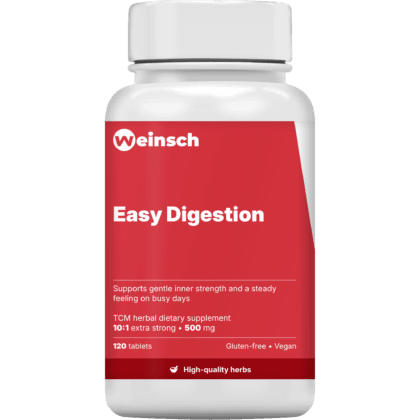
Easy Digestion
White Hyacinth Bean
White Hyacinth Bean (Bai Bian Dou) – The Botanical Used in Traditional Systems to Strengthen the Spleen and Clear Summer Dampness
White hyacinth bean (Bai Bian Dou) is the traditional Chinese medicine name for the dried ripe seed of Lablab purpureus (formerly Dolichos lablab), a nourishing legume that has served as both a medicinal botanical and a culinary staple in East Asian systems for centuries. It is regarded as a gentle, strengthening herb, particularly suitable for formulas aimed at digestive comfort, fluid balance, and relieving sluggishness associated with hot, humid summer weather.
Traditional Understanding in TCM Systems
Within traditional Chinese medicine, white hyacinth bean (Bai Bian Dou) is described as a mild substance with sweet and neutral to slightly warm properties. In the TCM theoretical framework, it acts primarily on the Spleen and Stomach meridians. According to this traditional description, white hyacinth bean (Bai Bian Dou) tonifies “Spleen Qi” (the body’s digestive energy) and transforms “Dampness,” particularly “Summer-Heat with Dampness.” When the digestive system is weak or overwhelmed by hot and humid weather, discomforts like poor appetite, loose stools, or a heavy, lethargic feeling can arise. White hyacinth bean (Bai Bian Dou) helps perform a stabilizing “strengthening and drying” effect.
In TCM formulas, white hyacinth bean (Bai Bian Dou) is seen as a botanical that helps promote normal digestive descent and clear metabolic stagnation. It is traditionally used to alleviate gastrointestinal upset during the summer, soothe mild digestive spasms, and foster general physical lightness by strengthening the body’s ability to process fluids.
Botanical Composition and Research
White hyacinth bean (Bai Bian Dou) contains a rich profile of nutritional and bioactive compounds, primarily high-quality plant proteins, complex carbohydrates, dietary fiber, phytosterols, and flavonoids. This phytochemical profile is connected in traditional applications with the physical nourishment of the digestive tract and the promotion of metabolic vitality.
Modern scientific research shows that Lablab purpureus extracts can offer specific benefits. Studies show that white hyacinth bean (Bai Bian Dou) preparations:
-
Possess antioxidant properties and combat cellular oxidative stress
-
Can support normal gastrointestinal motility and relieve digestive sluggishness
-
Can have mild anti-inflammatory actions beneficial for the gut lining
-
Can promote healthy blood sugar balance due to complex carbohydrates and fiber
-
Can work supportively on a healthy immune system response
-
Contain phytosterols that may support healthy cholesterol levels
-
Are used in traditional formulas with enhanced effects on digestive harmony
Scientists particularly investigate how the protein and fiber components of the bean can contribute to a healthy gut microbiome and the body’s natural resilience against diet-induced or seasonal digestive upset.
Traditional Applications – TCM Context
In traditional TCM formulas, white hyacinth bean (Bai Bian Dou) is classically used in situations described as:
-
Sluggish digestion accompanied by loose stools or a lack of appetite
-
Gastrointestinal upset or nausea triggered by hot, humid summer weather
-
A heavy, lethargic physical sensation linked to internal dampness
-
Excessive vaginal discharge associated with Spleen weakness
-
Digestive discomfort after consuming overly rich or cold foods
-
General physical fatigue tied to poor nutrient absorption
These are traditionalist descriptions that form part of the TCM thinking system and must not be equated with medical diagnoses in the sense of European medicinal product law.
Well-being and Daily Use
White hyacinth bean (Bai Bian Dou) is valued by modern users as part of a conscious wellness routine aimed at digestive resilience and fluid balance, especially during the sticky, humid summer months. Because it is a highly nutritious and mild food-grade herb, it works optimally when dry-fried and cooked into everyday meals like nourishing soups or rice congee, combined with mindful eating habits and adequate hydration.
Many users see white hyacinth bean (Bai Bian Dou) as part of a holistic approach to metabolic flow and seasonal adaptation – as a supportive element in traditional routines, alongside professional guidance and regular medical care when needed.